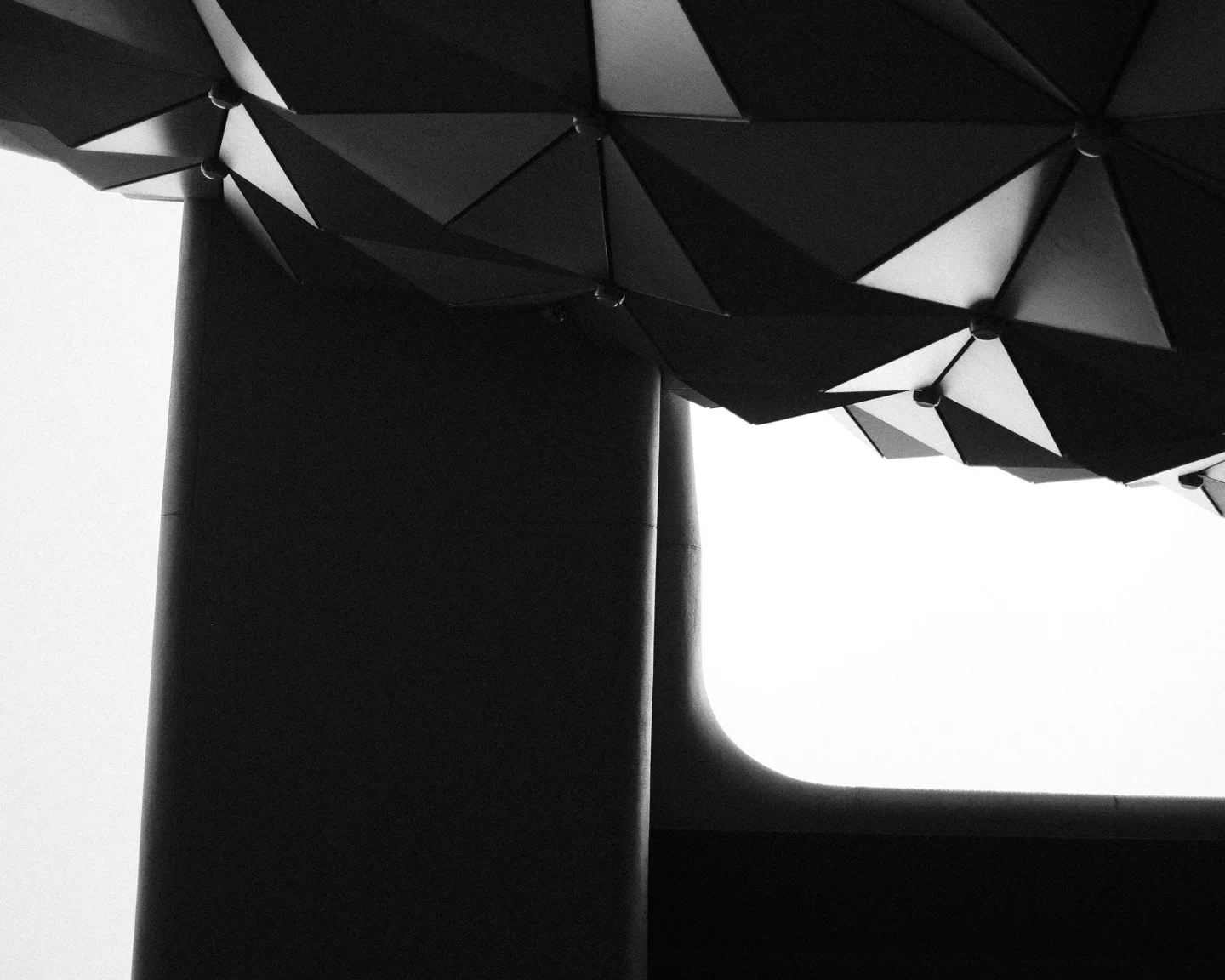
I recently returned to EPCOT Center at WDW in Orlando (I go often) with a very simple constraint:
One lens.
A custom Fujifilm Kodak Tri-X 400 recipe.
No retouching.
Black and white only.
The goal wasn’t to create perfect images. It was to rehearse the way I see.
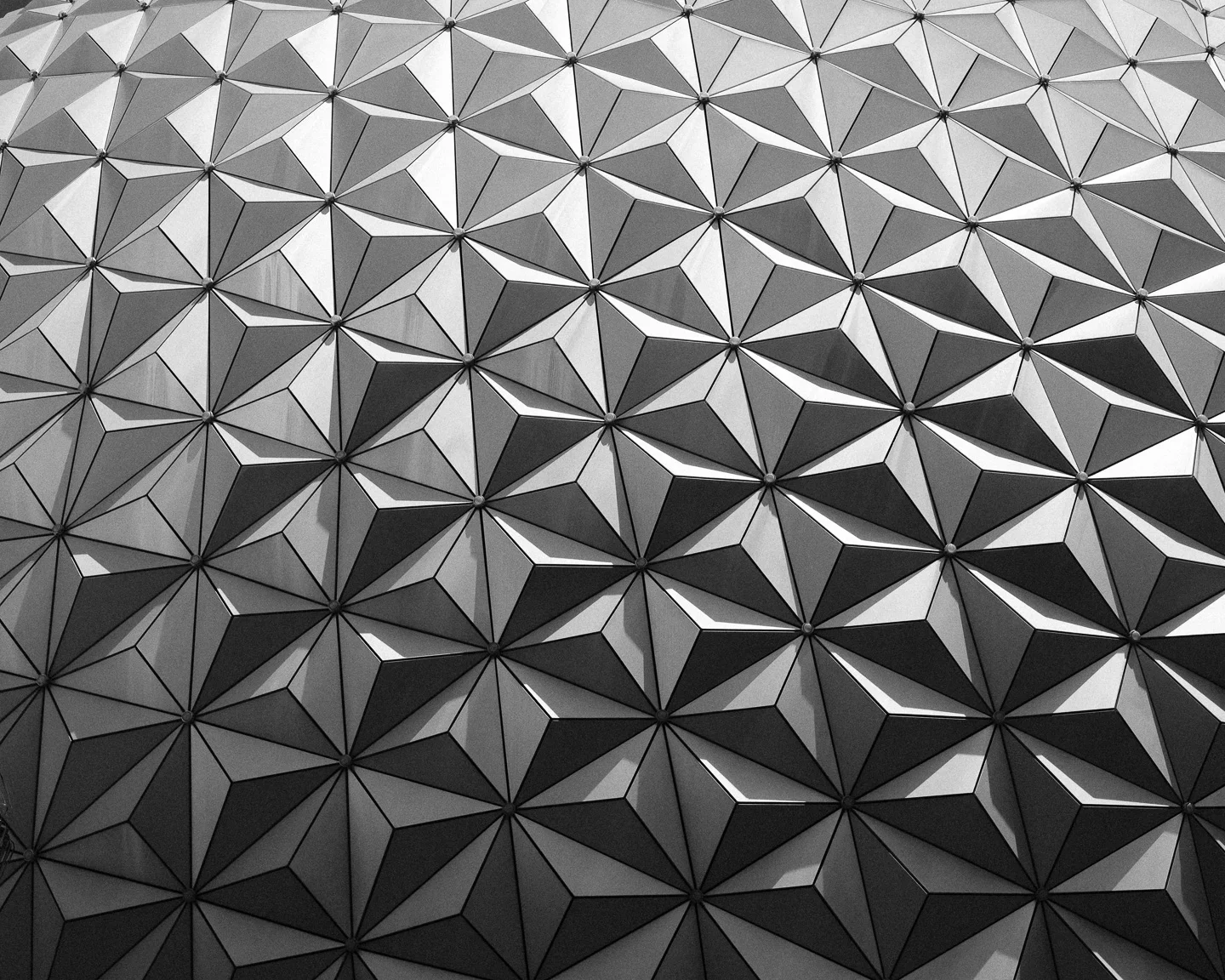
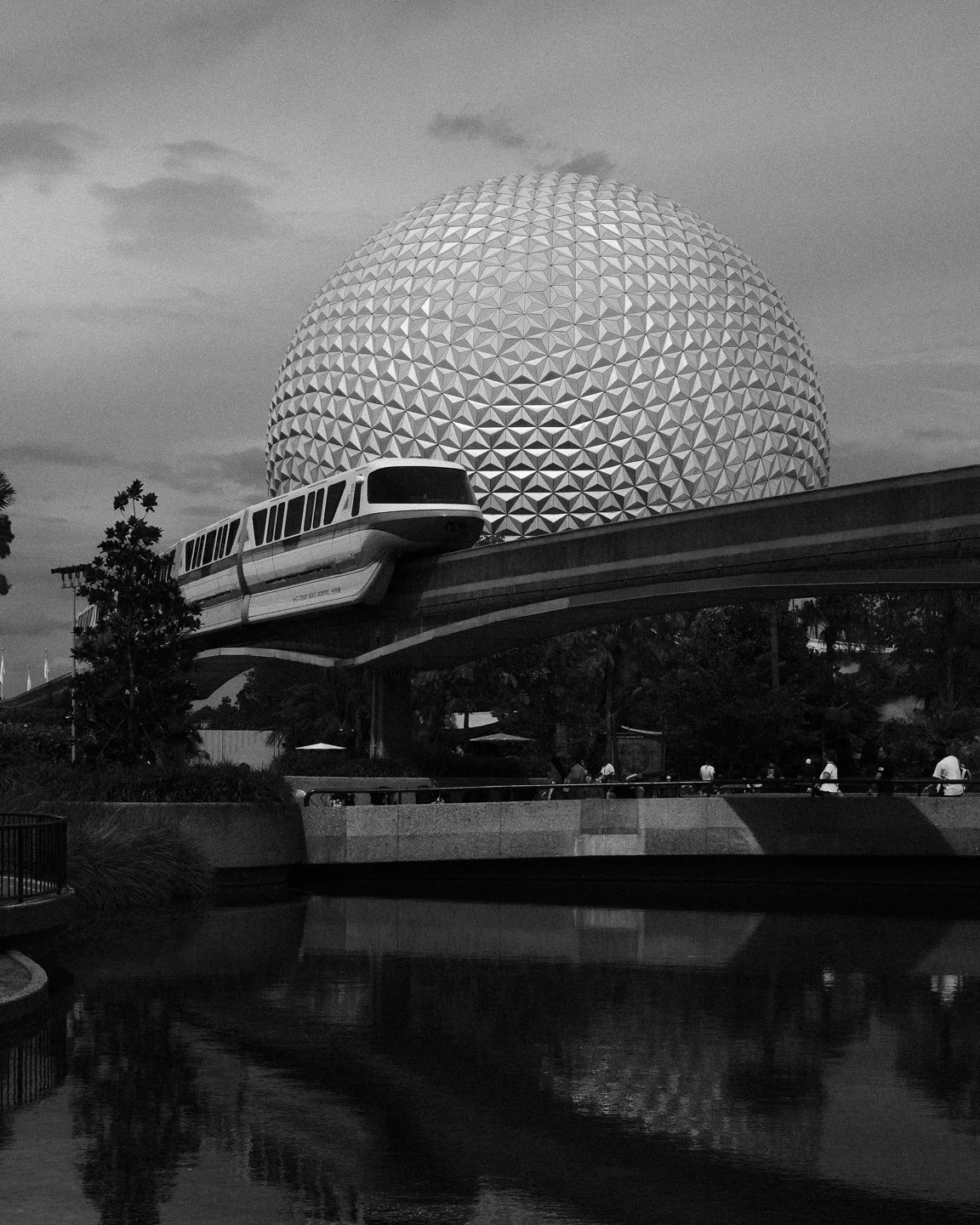
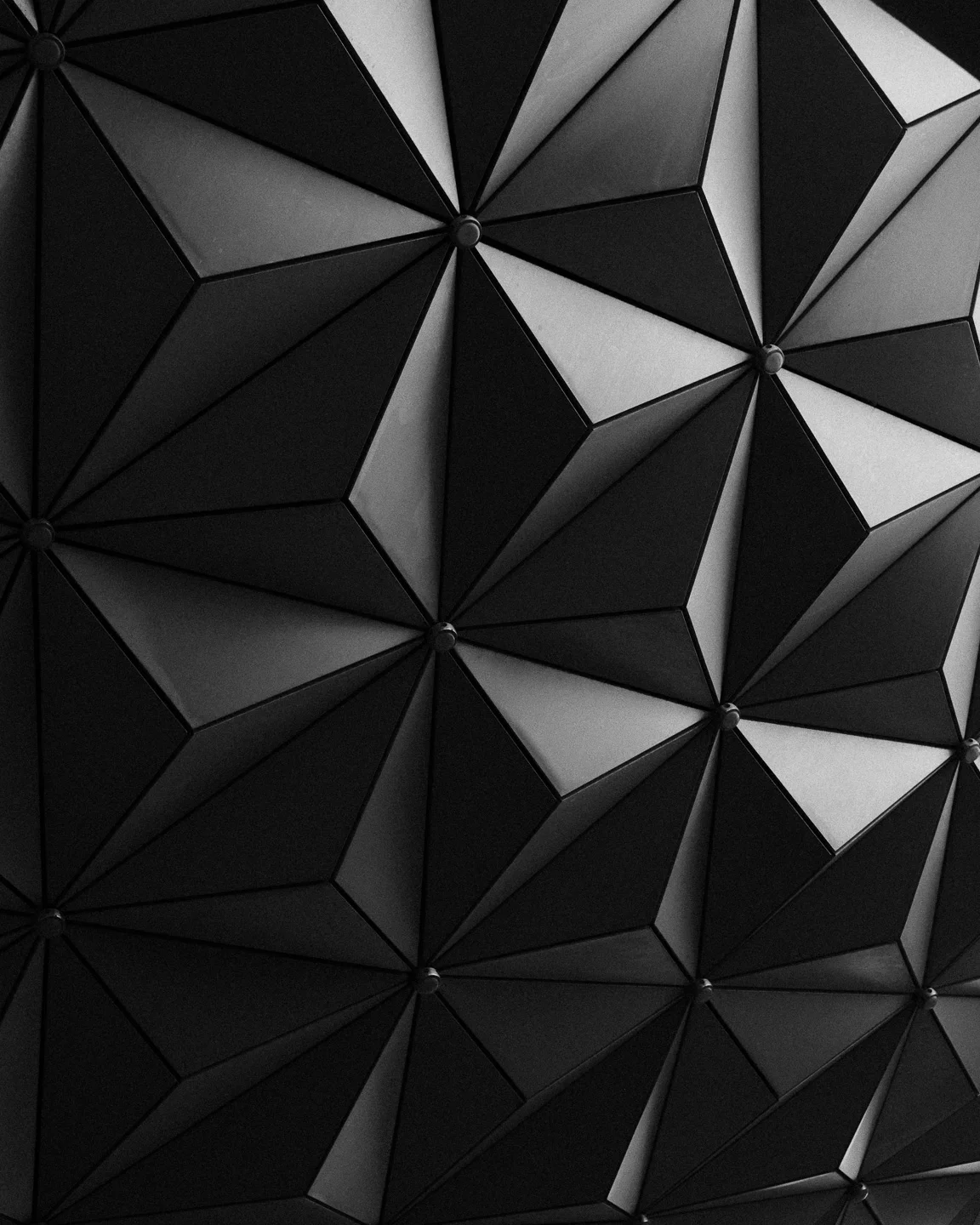
Spaceshop Earth otherwise affectionately known as “the ball in Epcot”
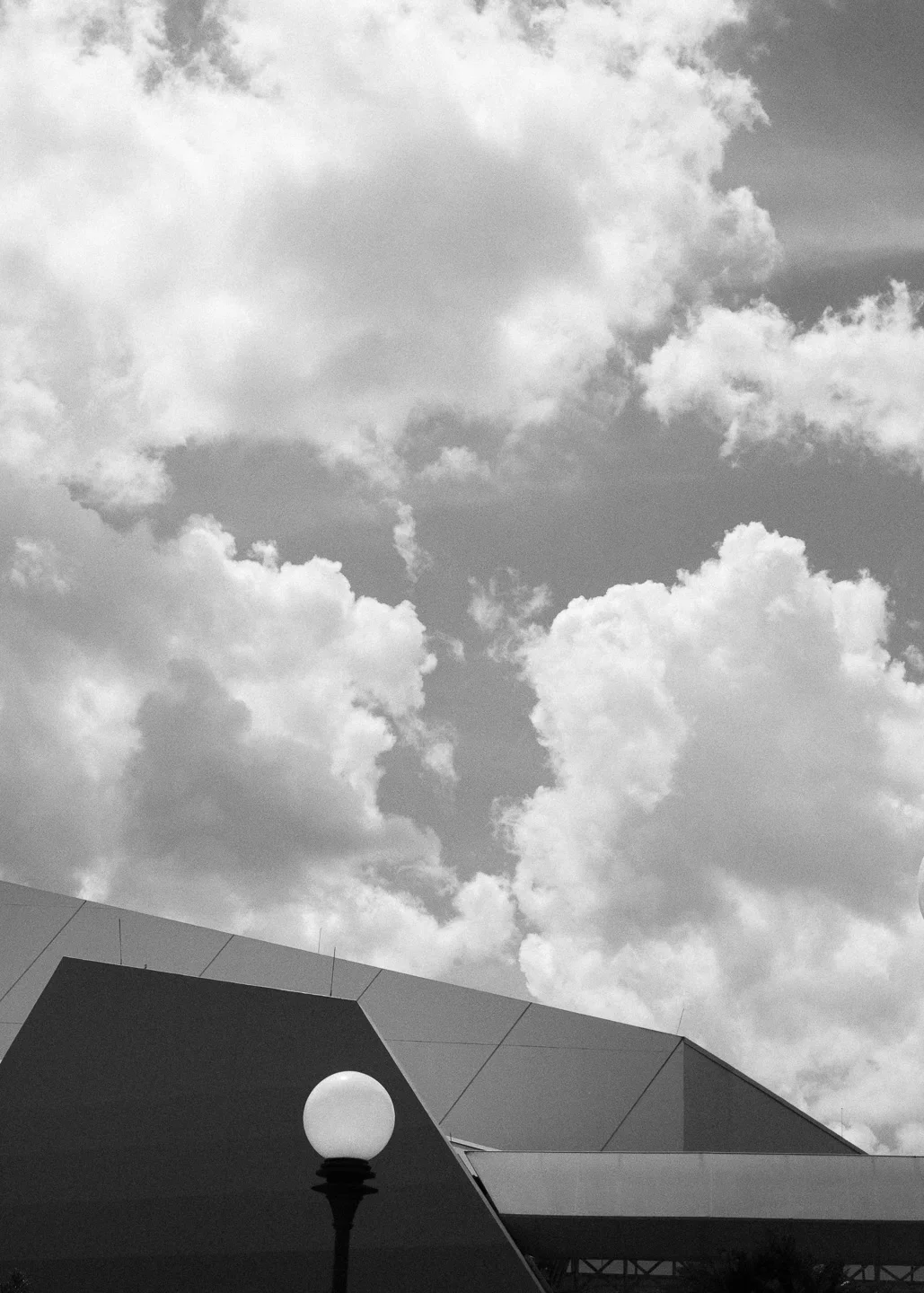
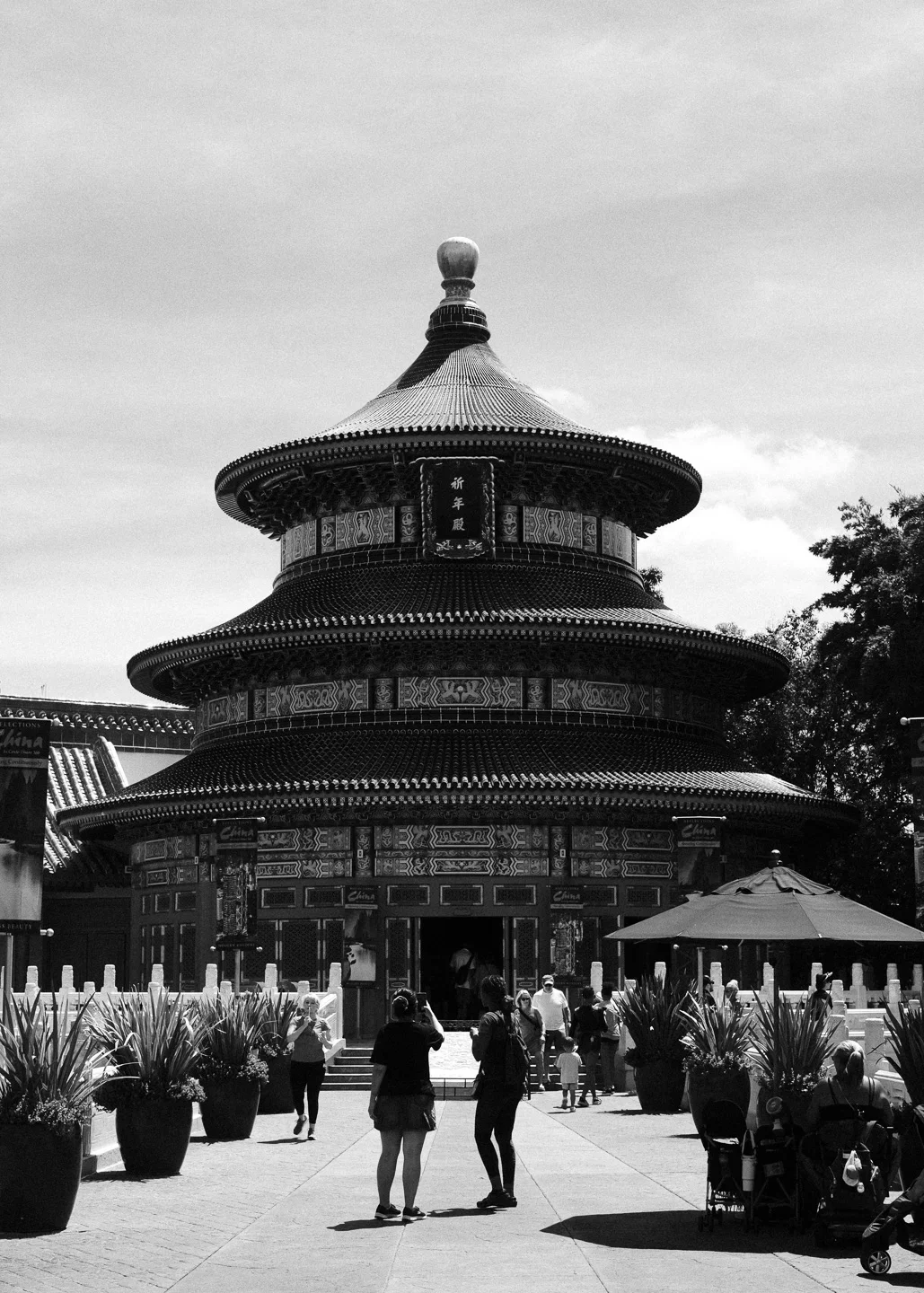
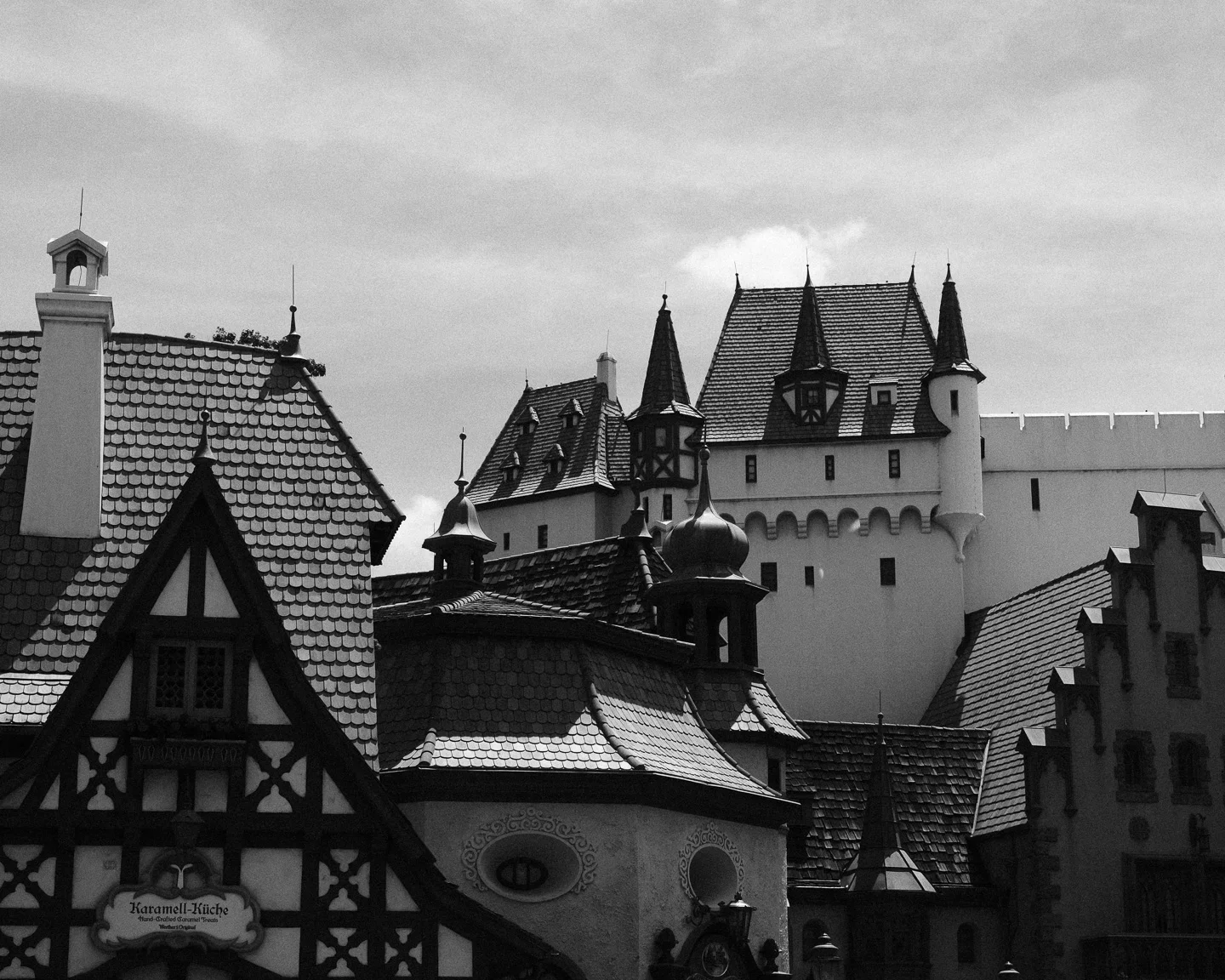
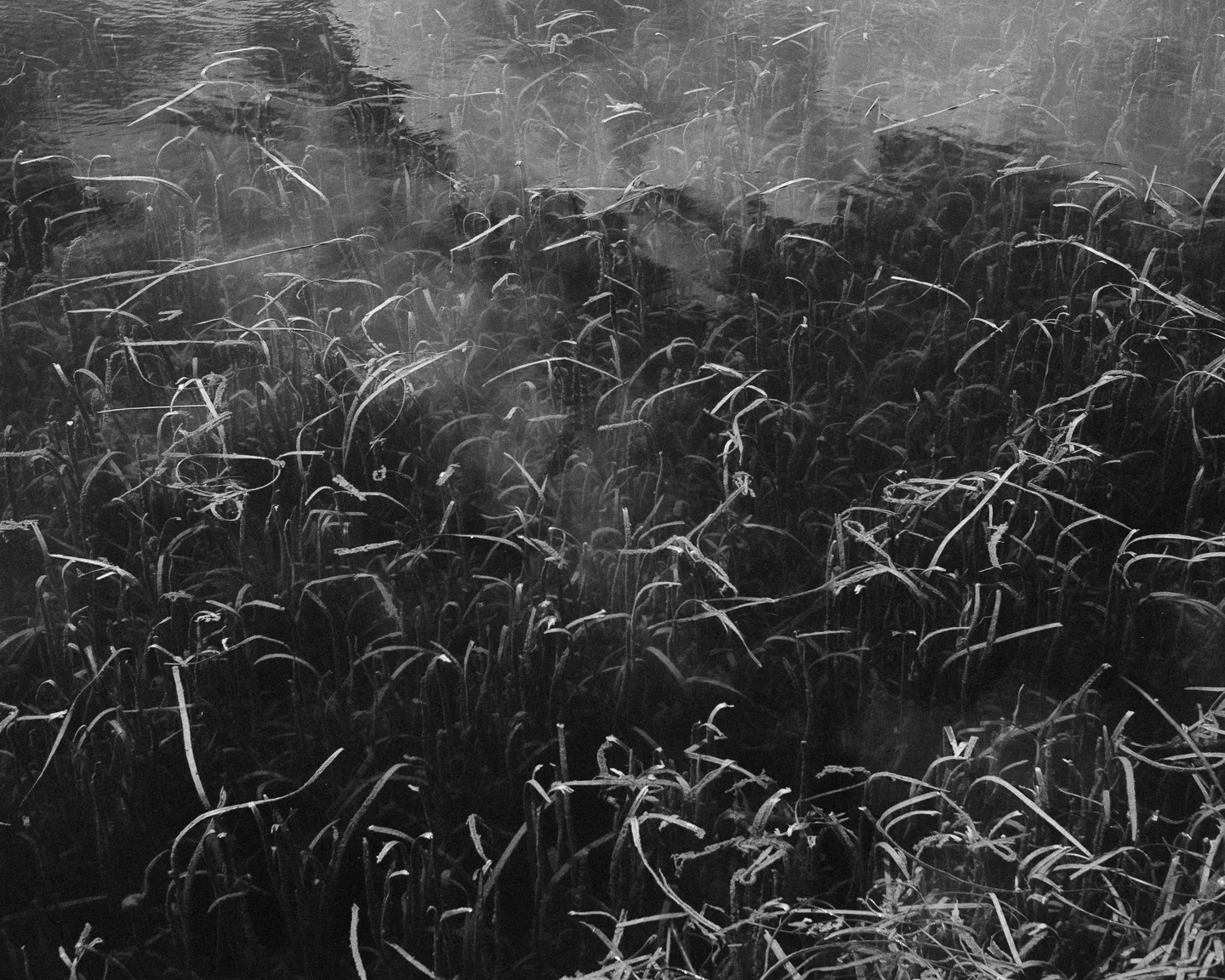
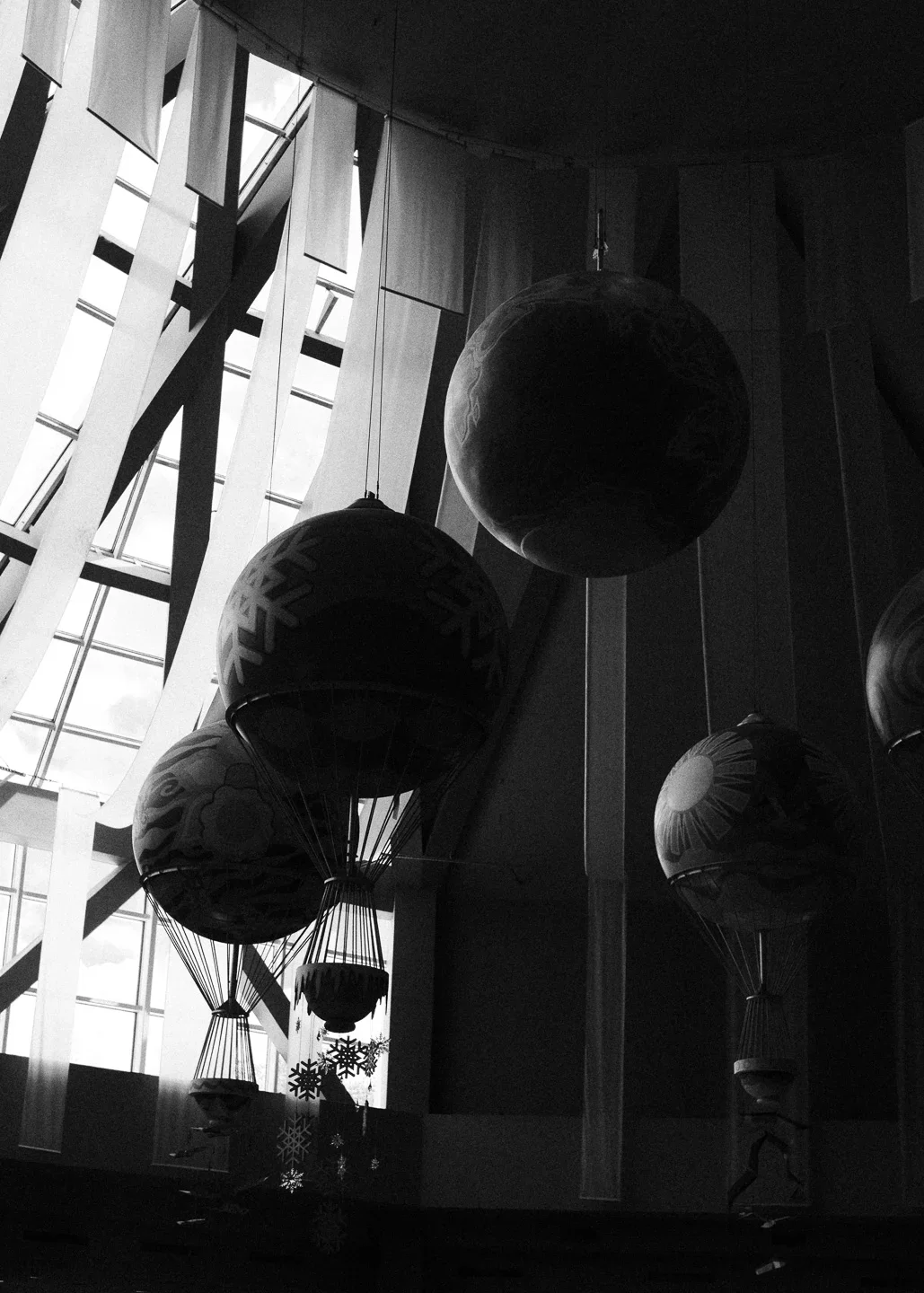
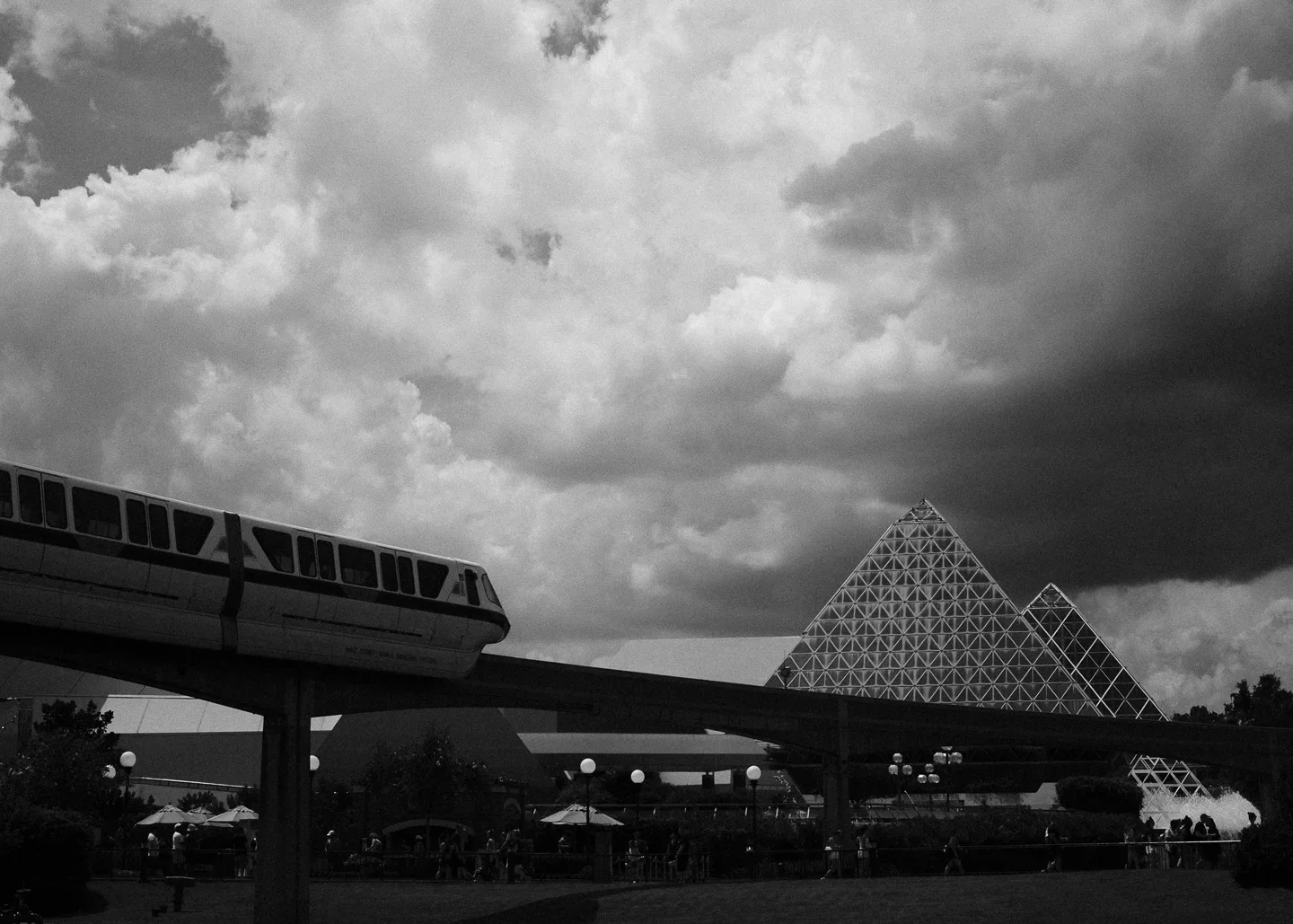
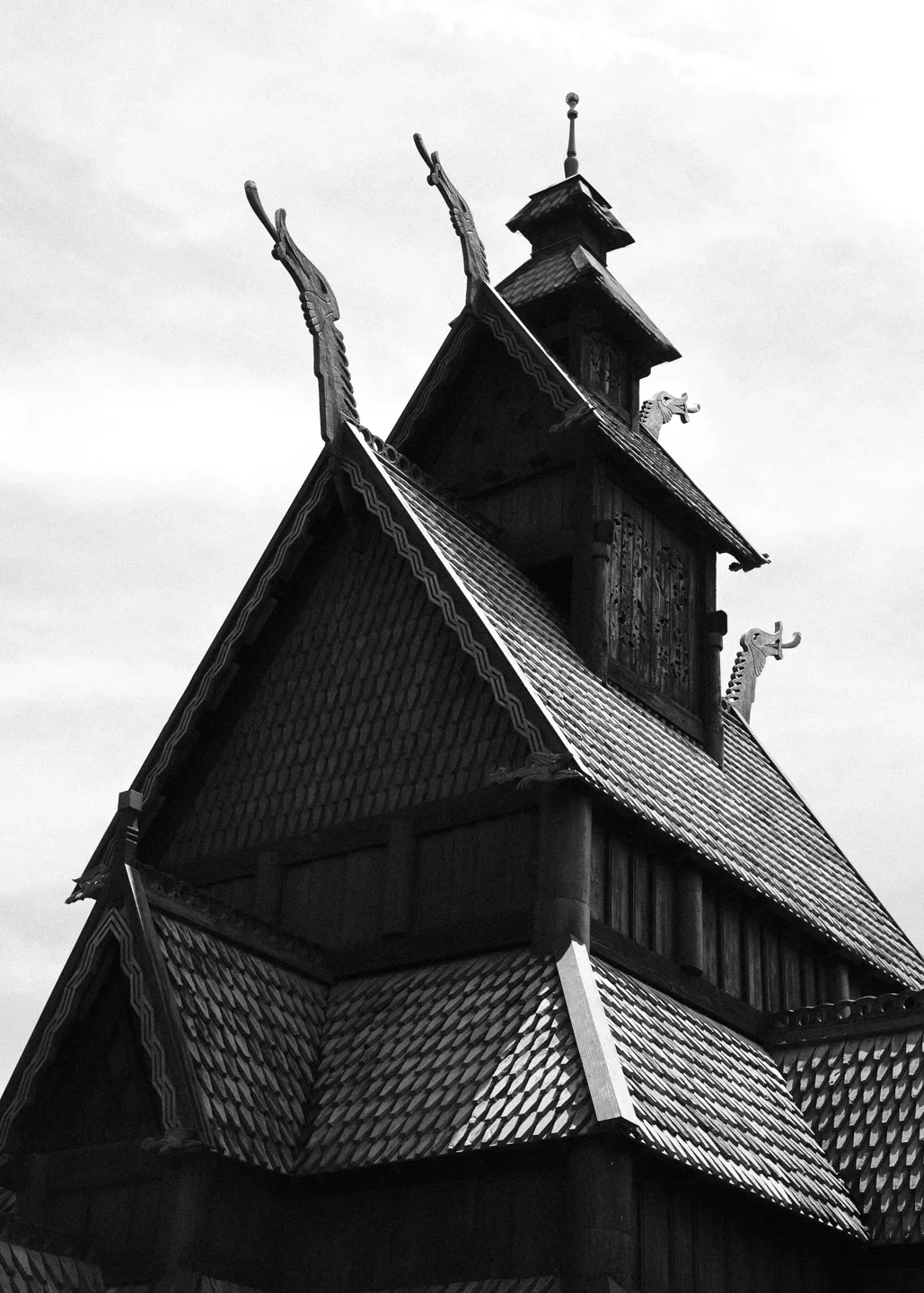
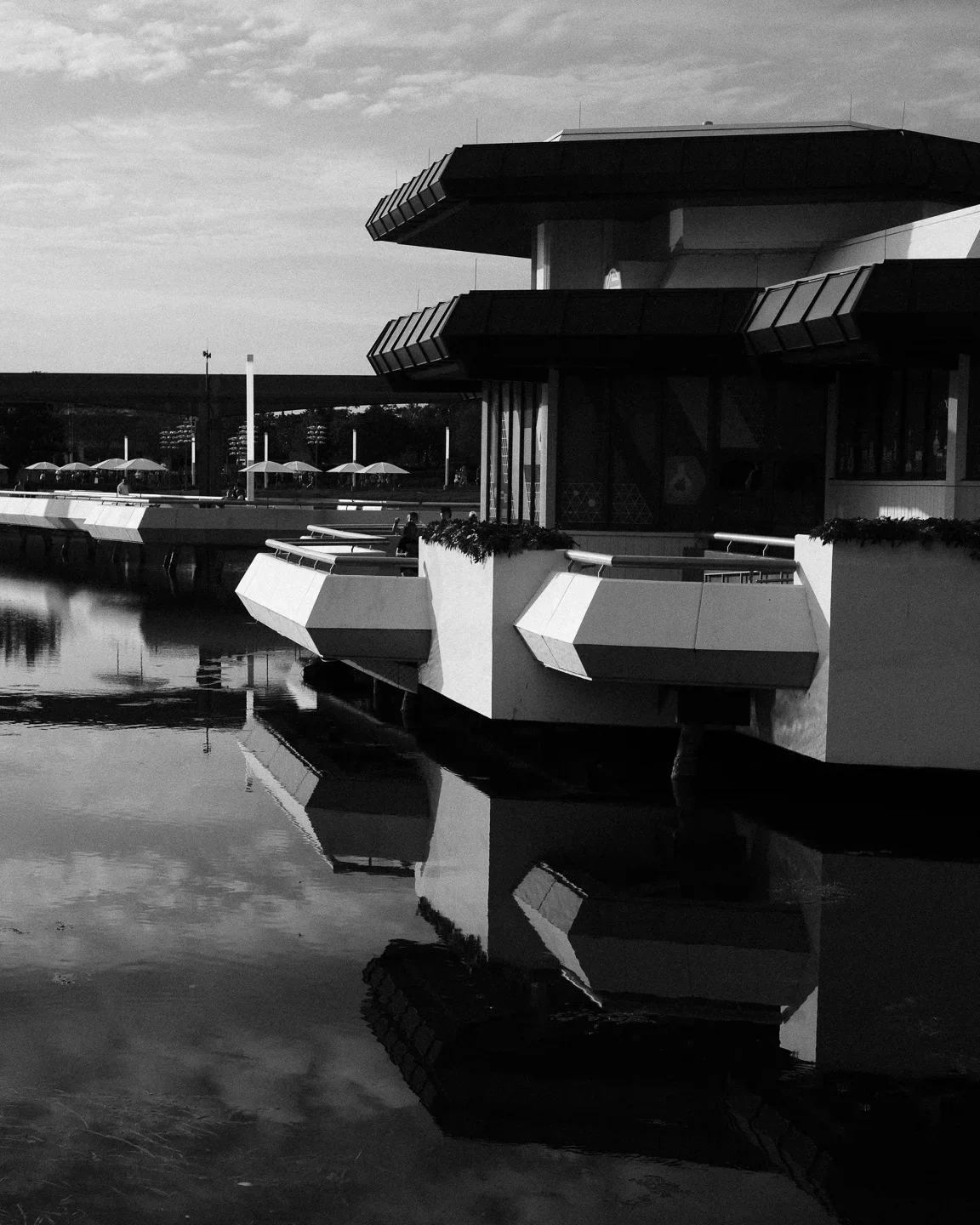
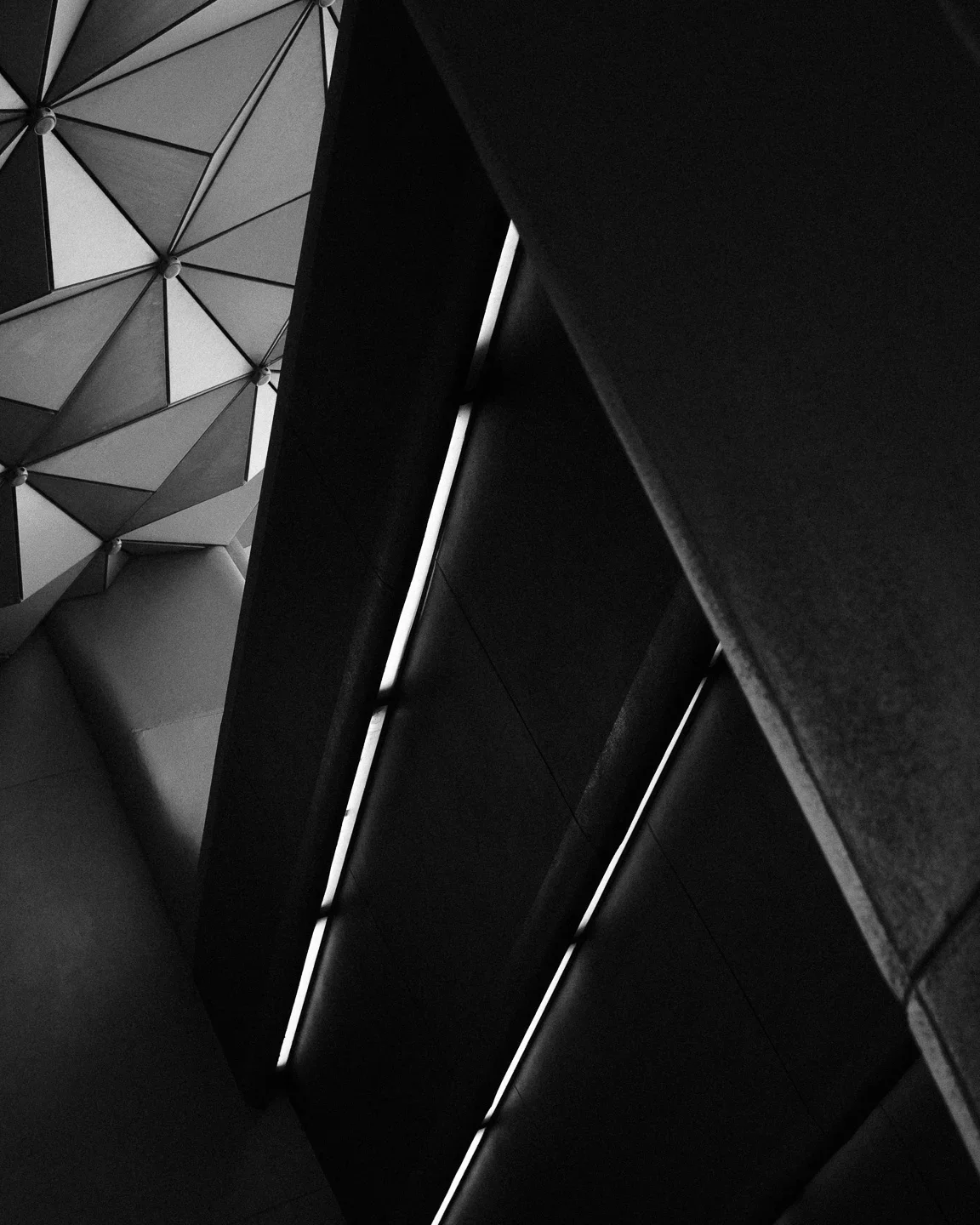
Removing color completely changed the experience of photographing EPCOT. Instead of noticing bright signs and saturated environments, I started paying attention to light itself and reflections on metal, shadows across walkways, glowing interiors, repeating architectural shapes, and the way people moved through space.
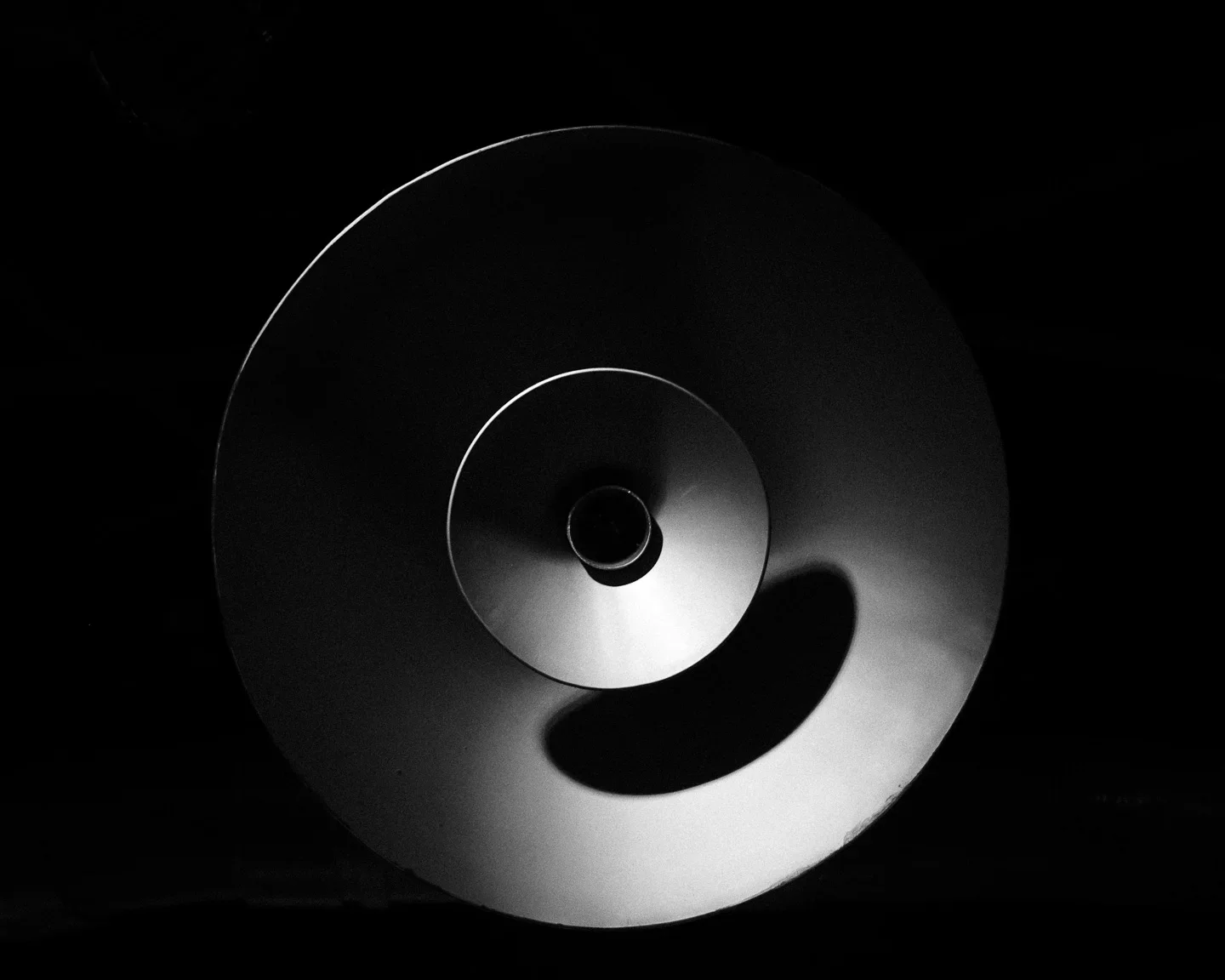
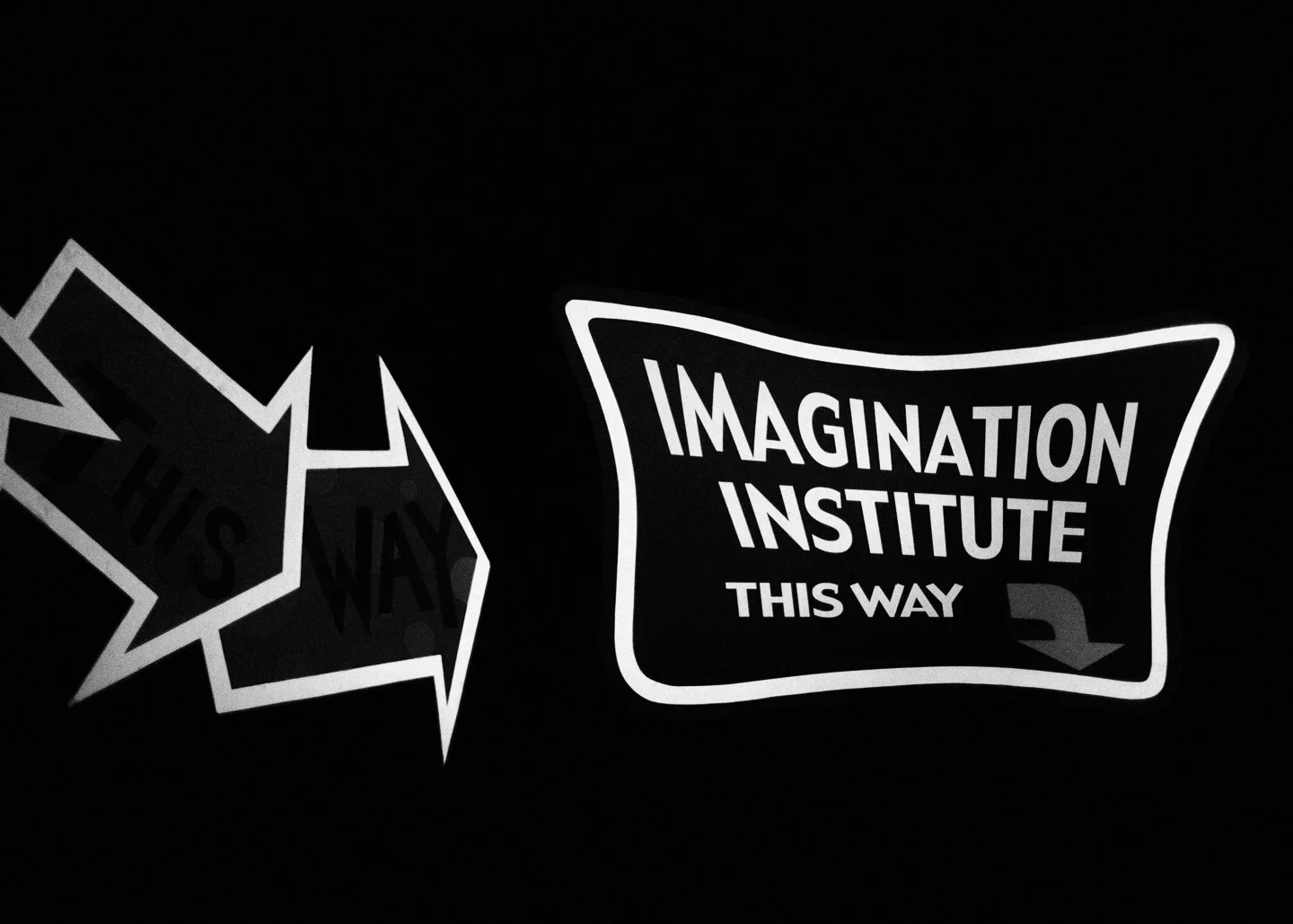
One of the “fart” speakers at Journey Into Imagination With Figment
Black and white simplified everything.
The futuristic structures, showcase pavilions, and ride interiors stopped feeling like attractions and started feeling like studies in contrast, geometry, and atmosphere.
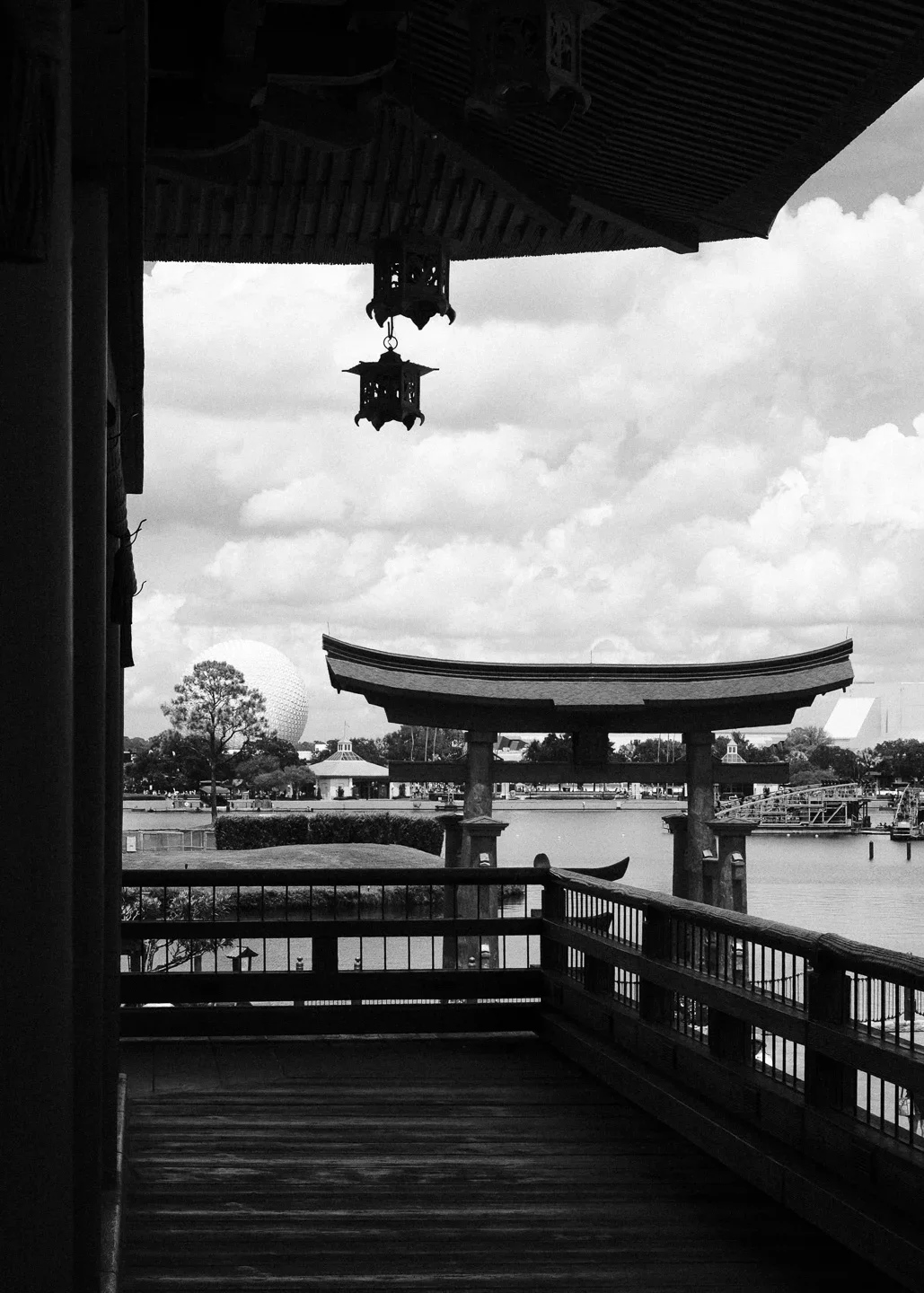
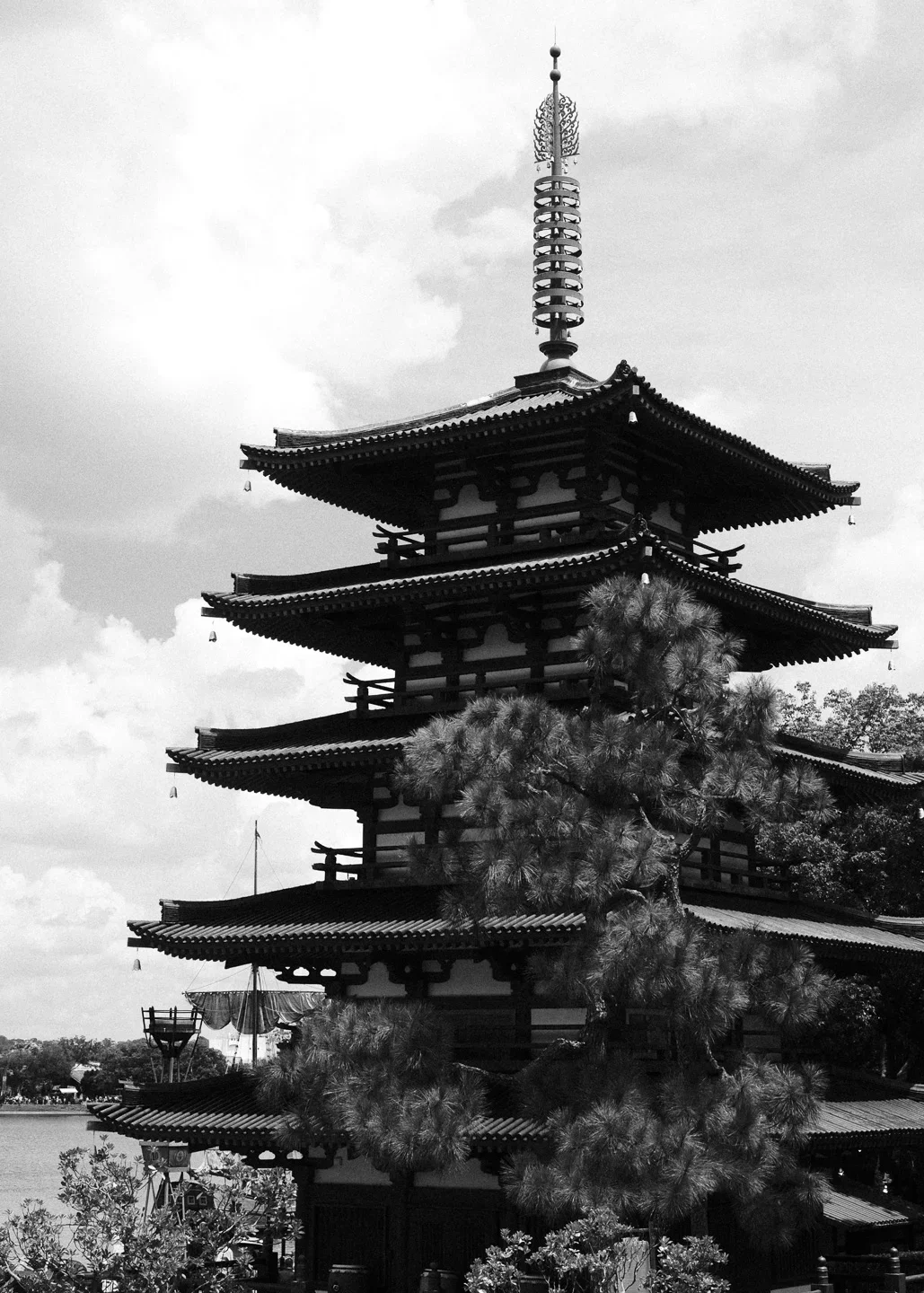
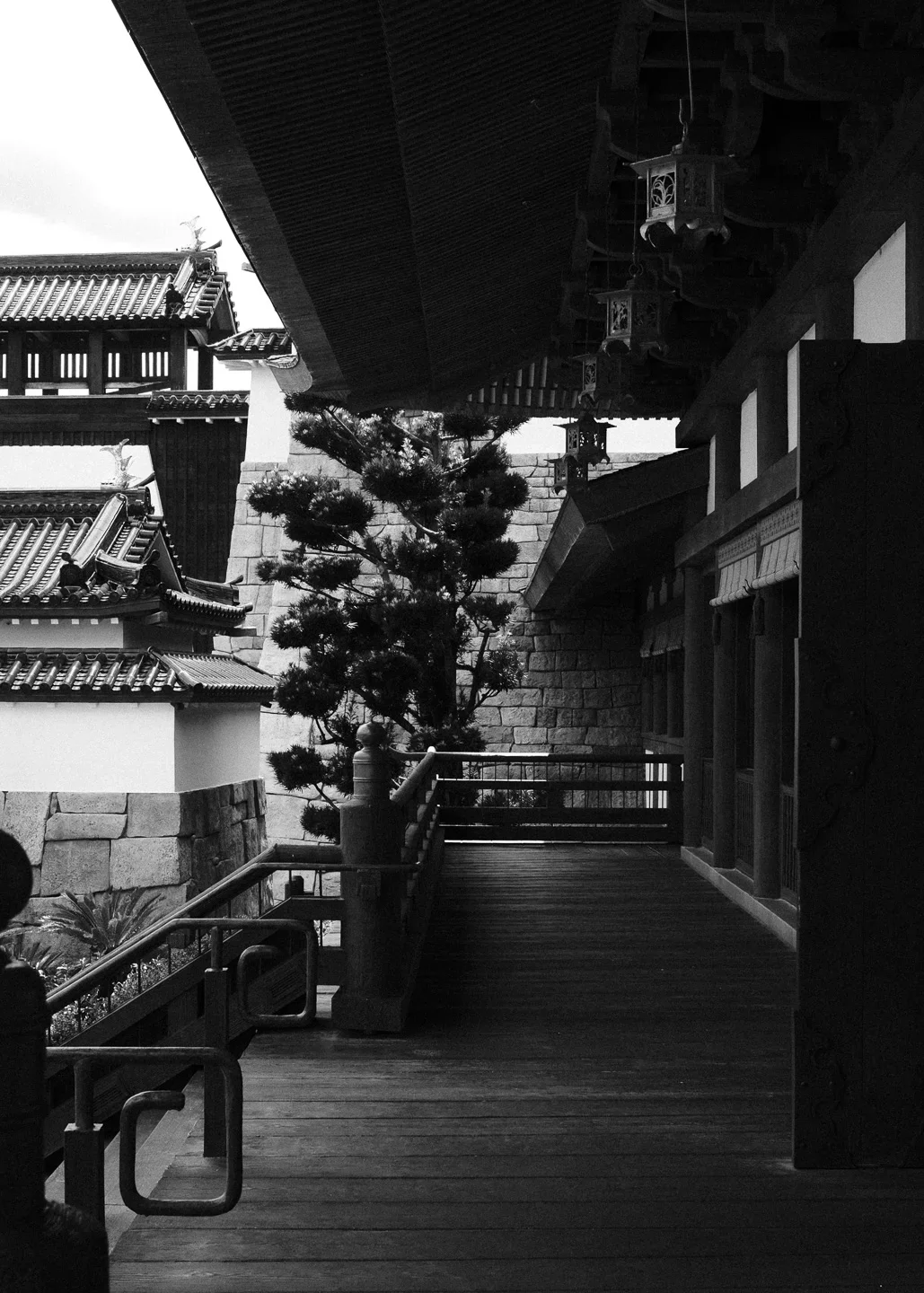
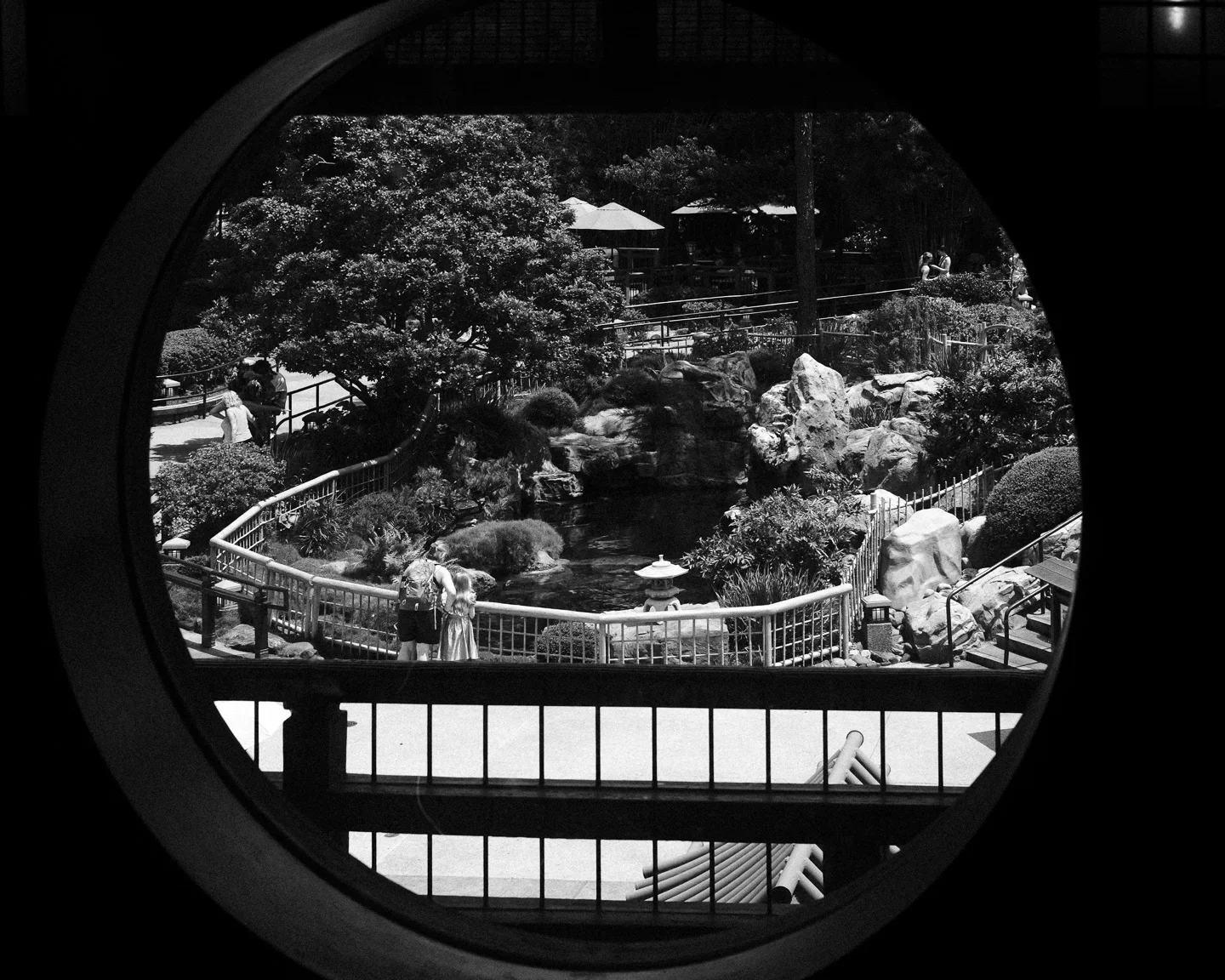
View from the entrance to Shiki-Sai: Sushi Izakaya in the Epcot Japan Pavilion
Without relying on color, my attention to composition, edges, spacing, and timing heighten. I found myself wanting to wait longer, observing more carefully, and reacting less impulsively.
It reminded me that photography is not always about finding better subjects. Sometimes it’s about changing the way you look at the subjects already around you.
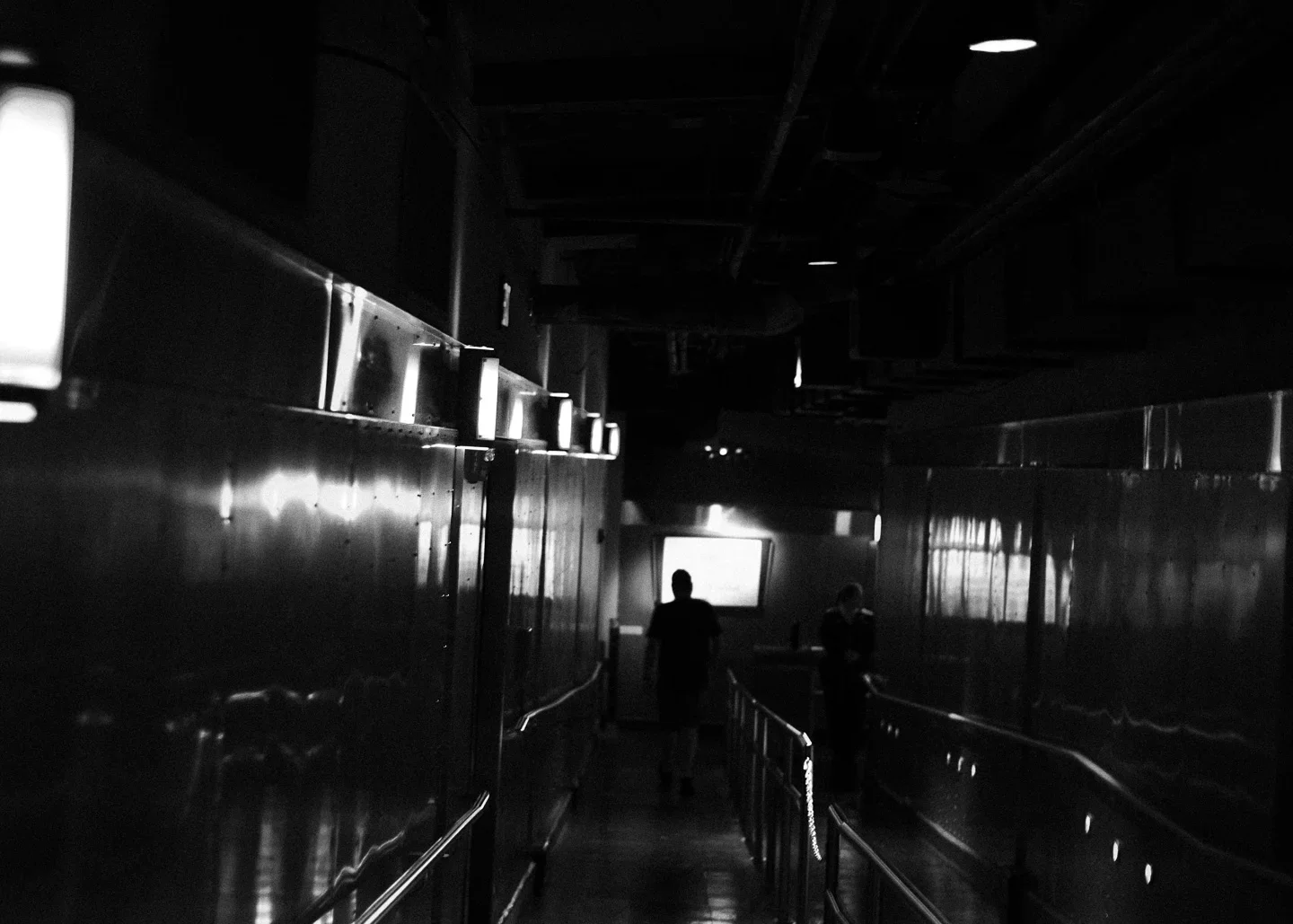
Walking in abstract. A very rare occurrence at Soarin' Around the World. No line!
This assignment ended up being less about EPCOT itself and more about learning how to see light differently.
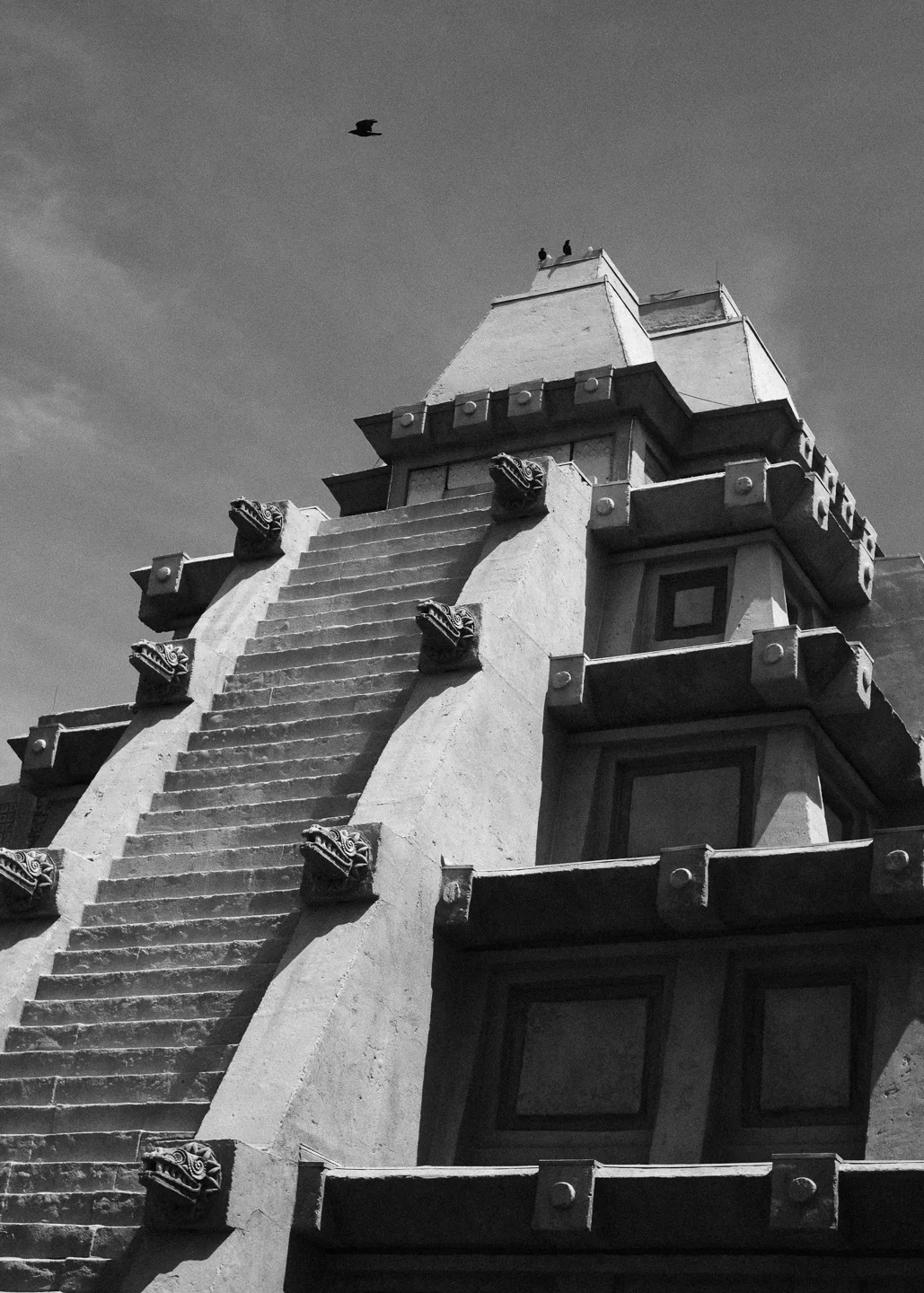
Mexican Pavilion, those Margaritas, nuff said
Find the light.
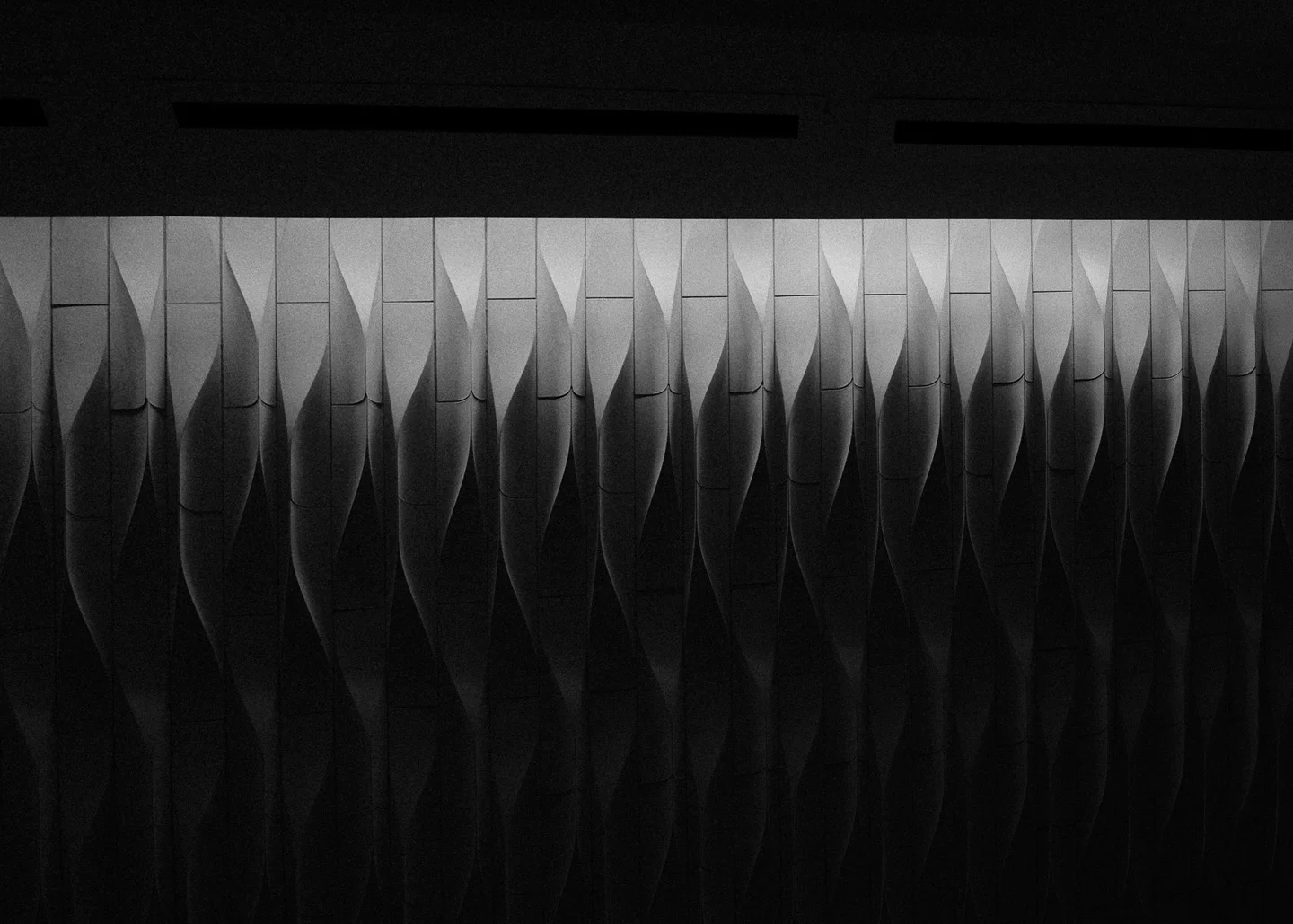
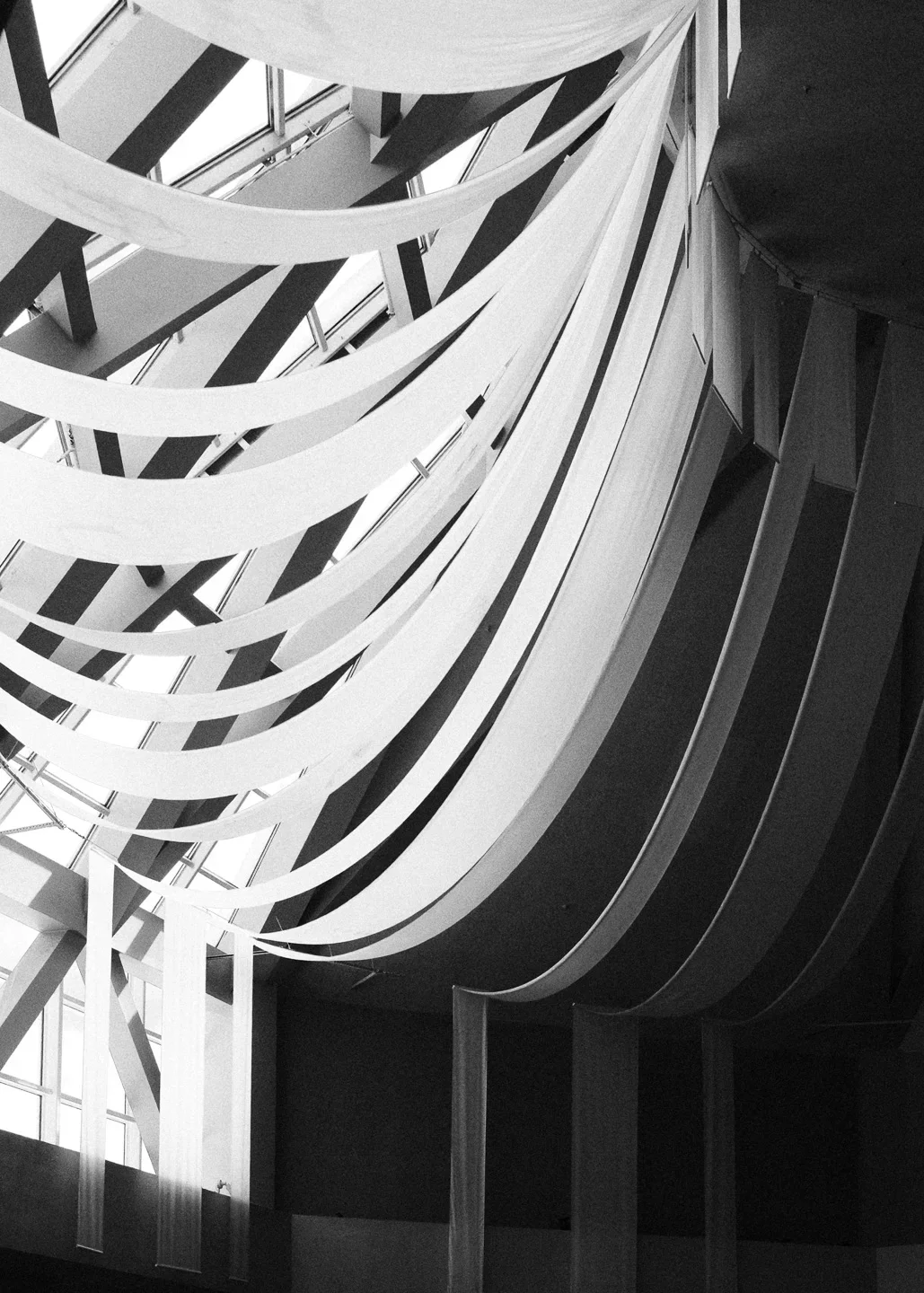
Architectural Design. Starbucks in Epcot is located at Connections Café.
Below are the images from the set.