Location: Epcot Center in Walt Disney World, Orlando
Output: 6 images
EPCOT is not a place. It is a simulation of places. Its designed to remove friction.
Everything is controlled:
the architecture,
the music,
the pathways,
the lighting,
the timing of what people see and when they see it.
Nothing is accidental.
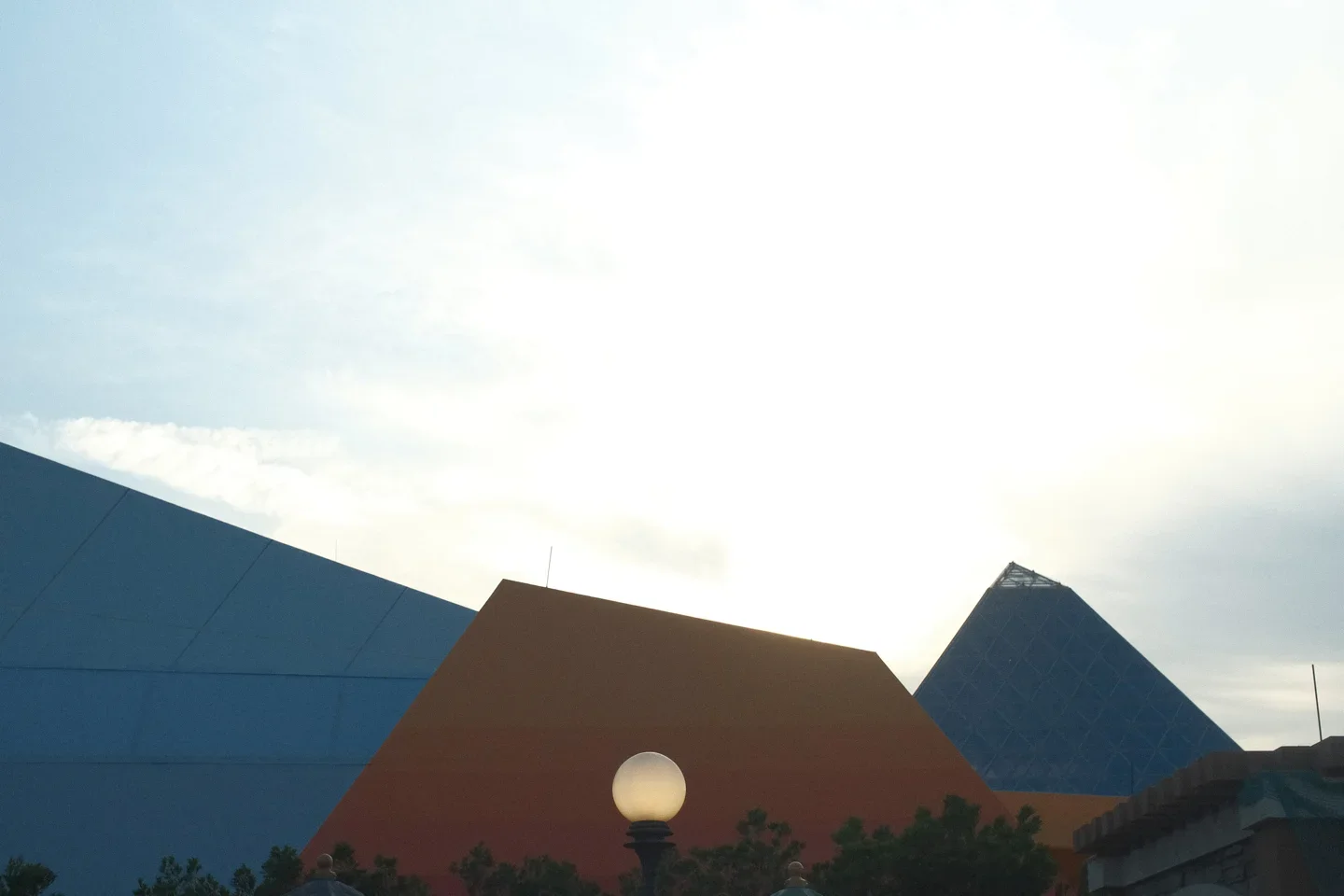
Most photography there follows the same pattern. Clean landmarks. Bright colors. Wide shots designed to preserve the illusion.
I wasn’t interested in photographing EPCOT that way.
TLDR; I failed…
However, I did come away with some good images.
The assignment was built around contradiction:
real versus artificial,
authentic versus staged,
observer versus participant.
Every image needed tension. Not visual chaos. Psychological tension. Something in the frame needed to quietly disagree with something else.
My assignment: to break the illusion and rebuild it into something more honest. I wasn’t documenting EPCOT. I was exposing the tension between real vs artificial, authentic vs staged, memory vs fabrication.
The 6 Frames
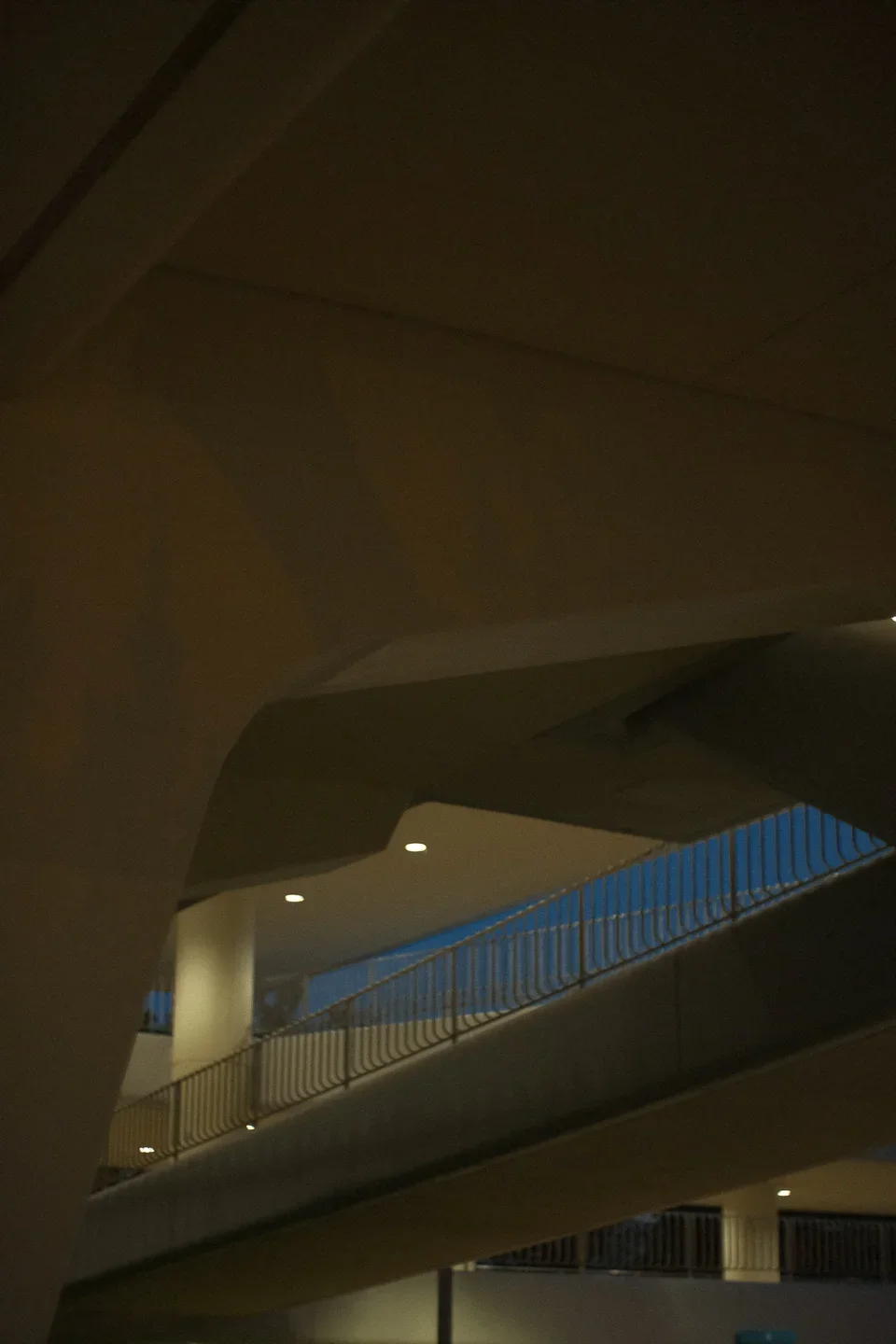
1. The Seam
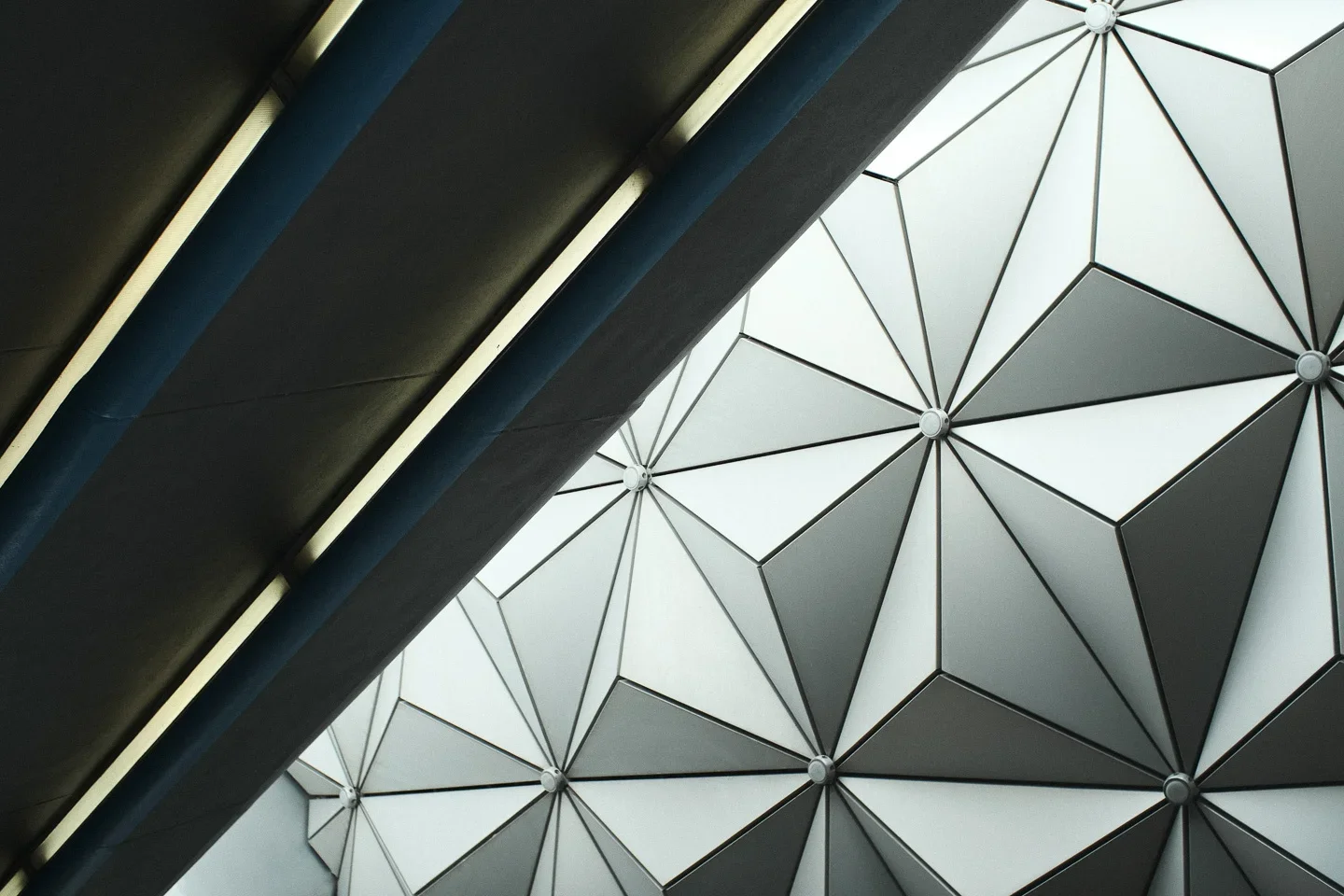
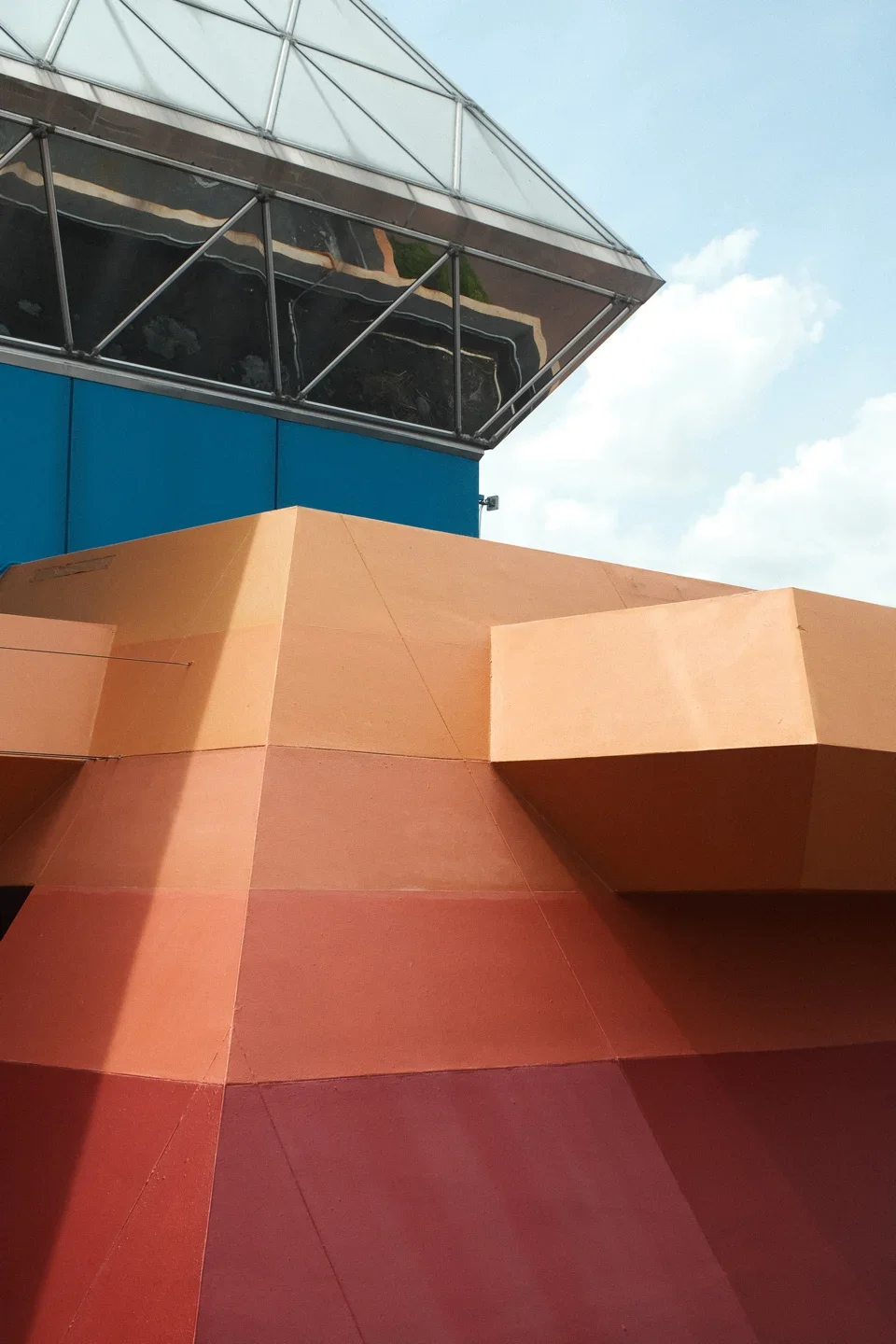
Find where the illusion breaks.
Edges.
Reflections.
Artificial textures.
Moments where scale broke.
Places where the illusion stopped feeling complete.
That became the real subject.
Not the countries themselves, but the spaces between reality and imitation.
Requirement: The viewer should feel the illusion cracking.
Epcot cast member walking up stairs in the back-lot.
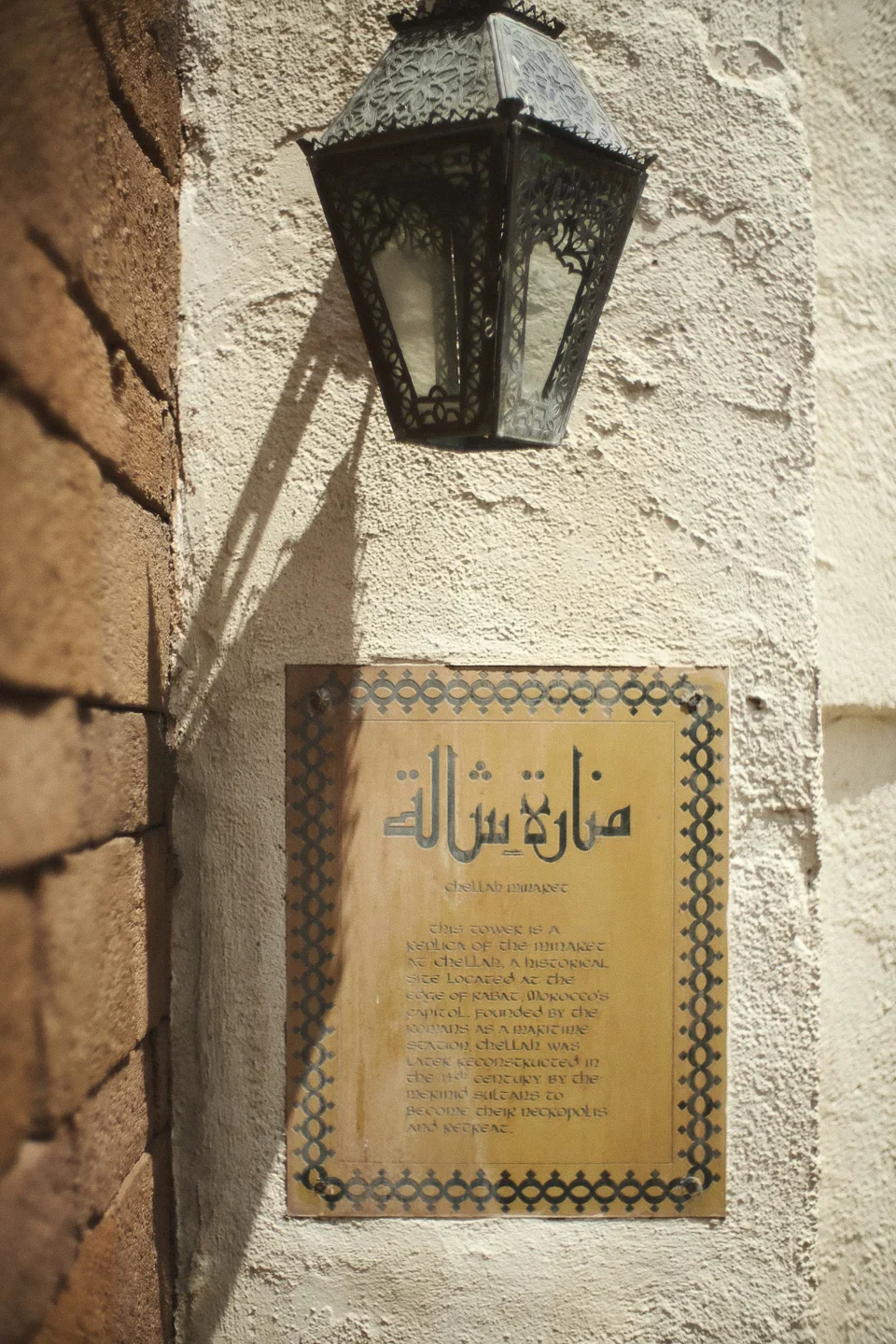
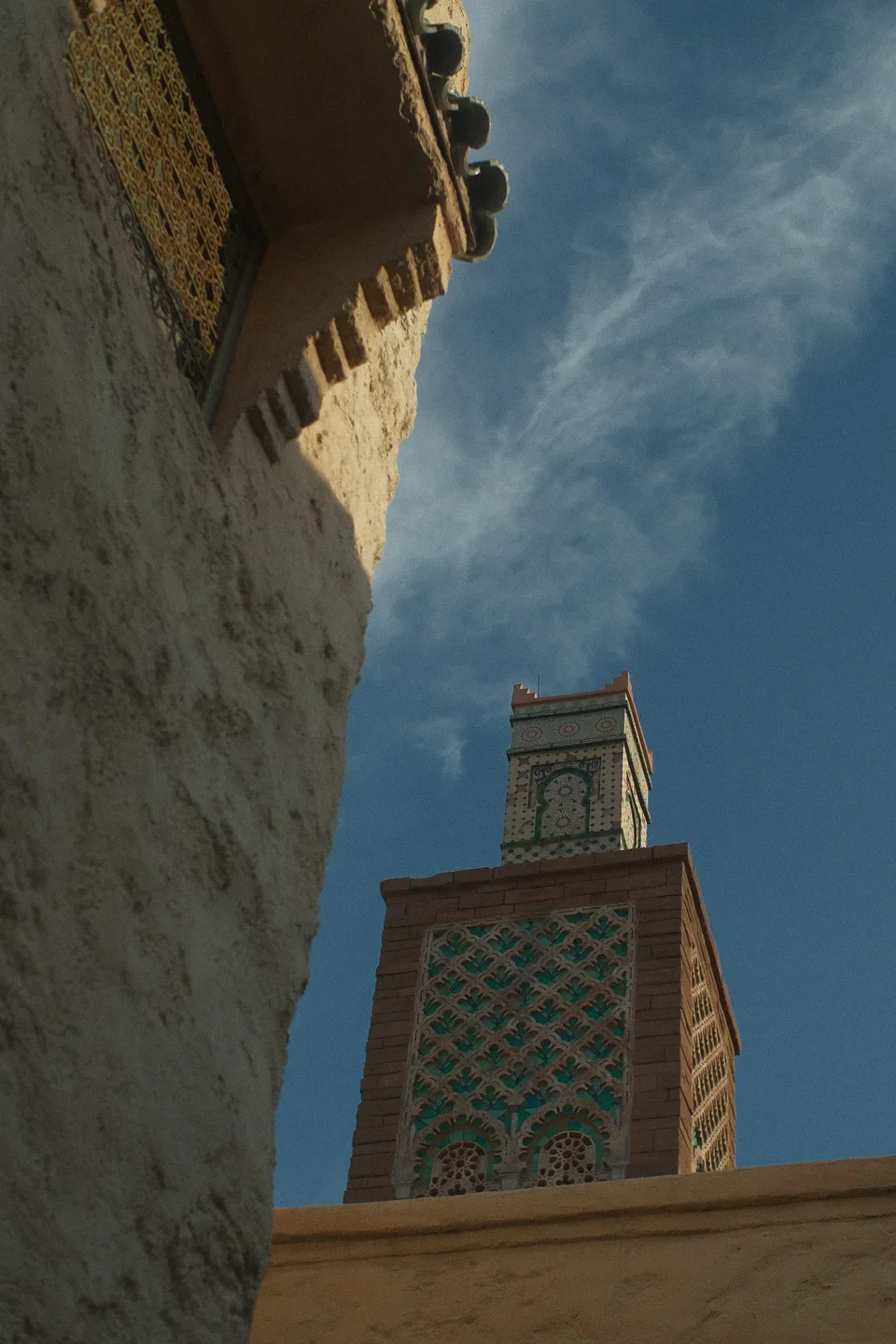
2. Borrowed Culture
EPCOT recreates countries.
What makes EPCOT strange is not that it recreates places.
It is that most people willingly accept the recreation as emotionally real.
People pose in front of simulated architecture.
Eat curated versions of culture.
Photograph replicas of locations they may never visit.
The experience is not fake exactly.
But it is edited.
Compressed.
Simplified.
Packaged into something friction-less.
Requirement: The image must quietly question authenticity.
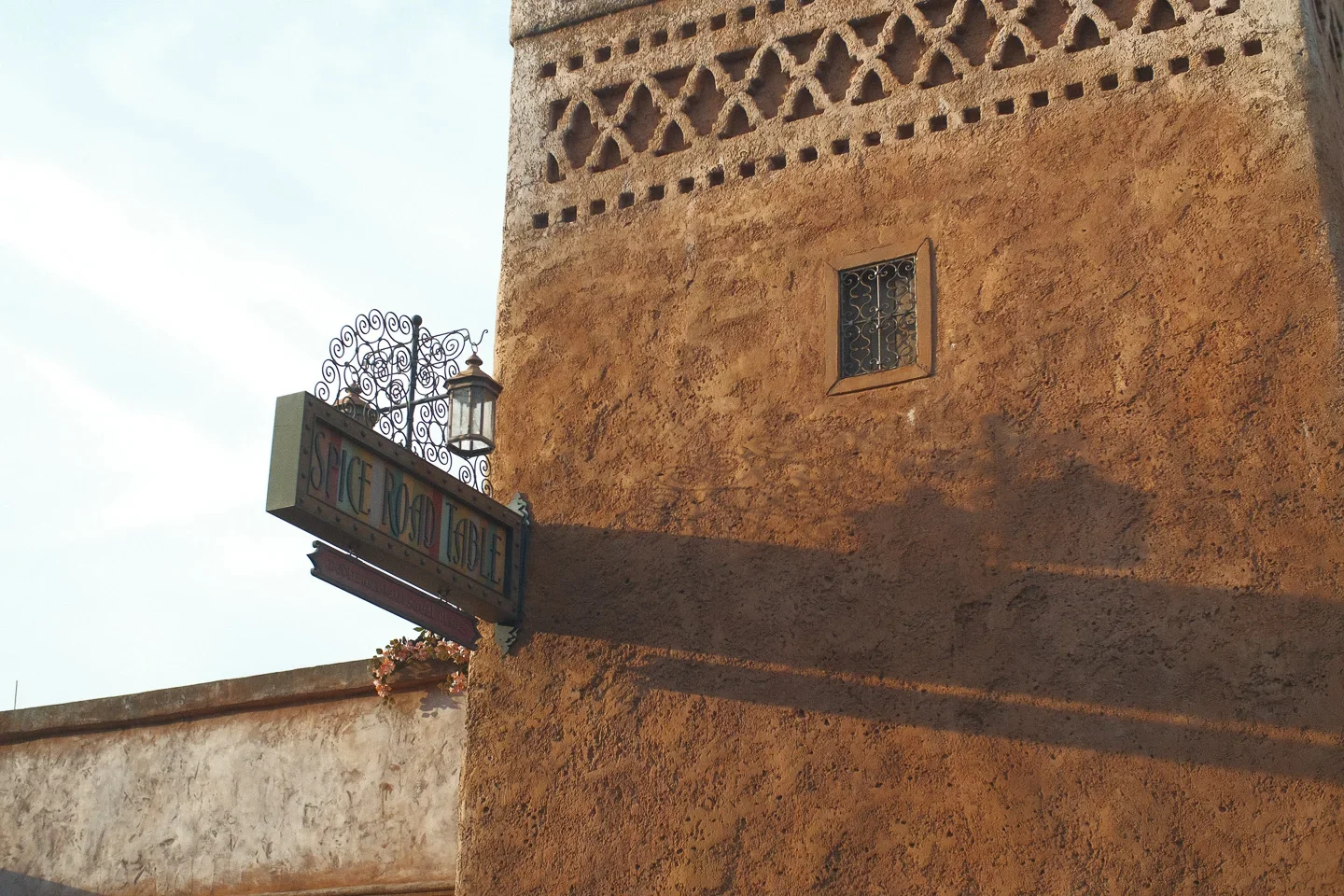
An English written sign in the Moroccan Pavilion
3. Human Absorption
The people inside the park became more important than the structures themselves.
Some visitors moved through the environment normally. Others disappeared into it completely.
Phones raised.
Faces locked onto performances.
Moments where the outside world temporarily dissolved.
The most interesting images happened when someone appeared fully absorbed by the simulation without realizing it.
Not tourists observing a place.
Participants inside a constructed reality.
Guest appearance by: A Flock of Seagulls (80’s band)
Requirement: They should feel inside the simulation, not outside it.
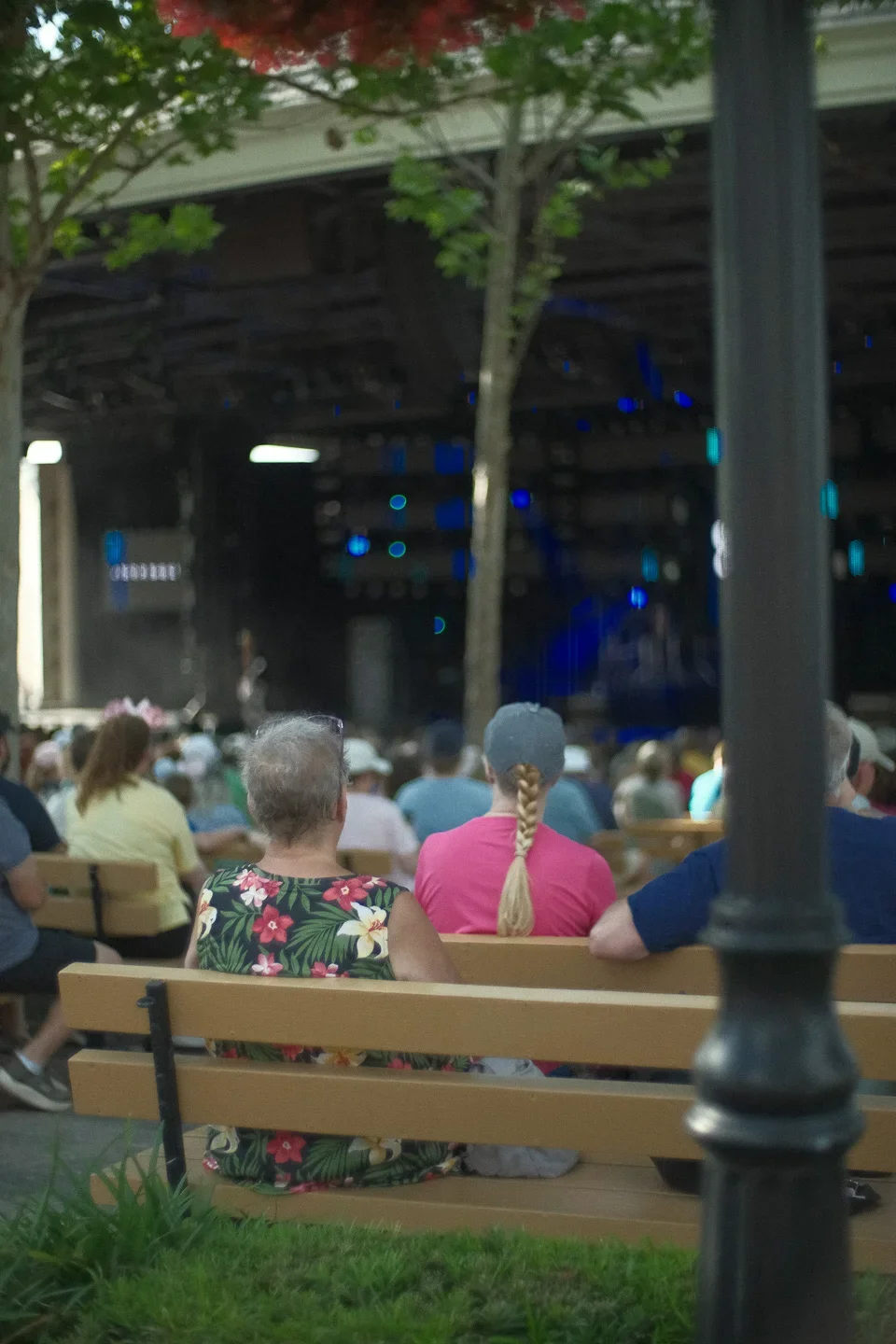
Woman watching “A Flock of Seagulls” perform a hit song at Eat to the Beat Concert Series.
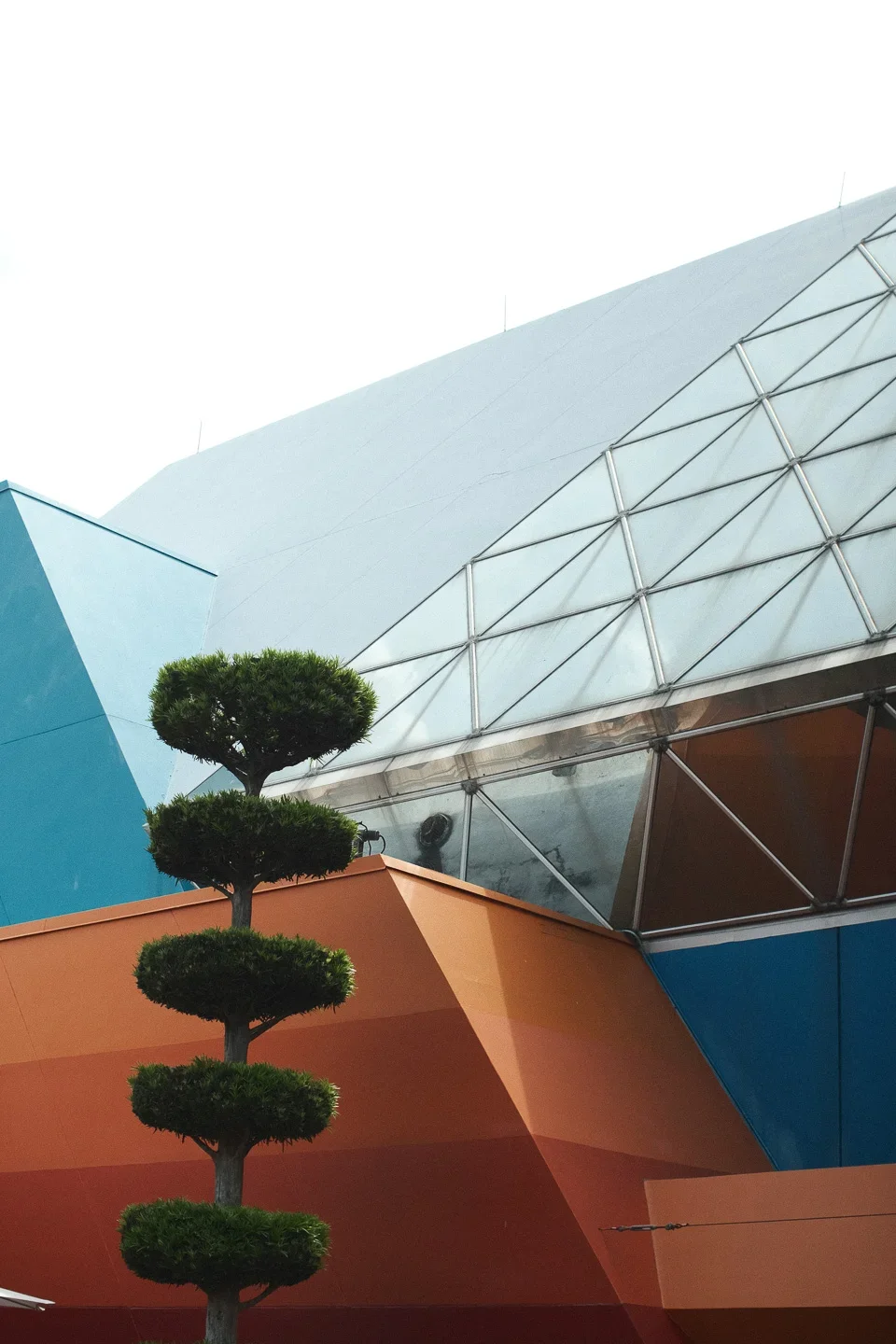
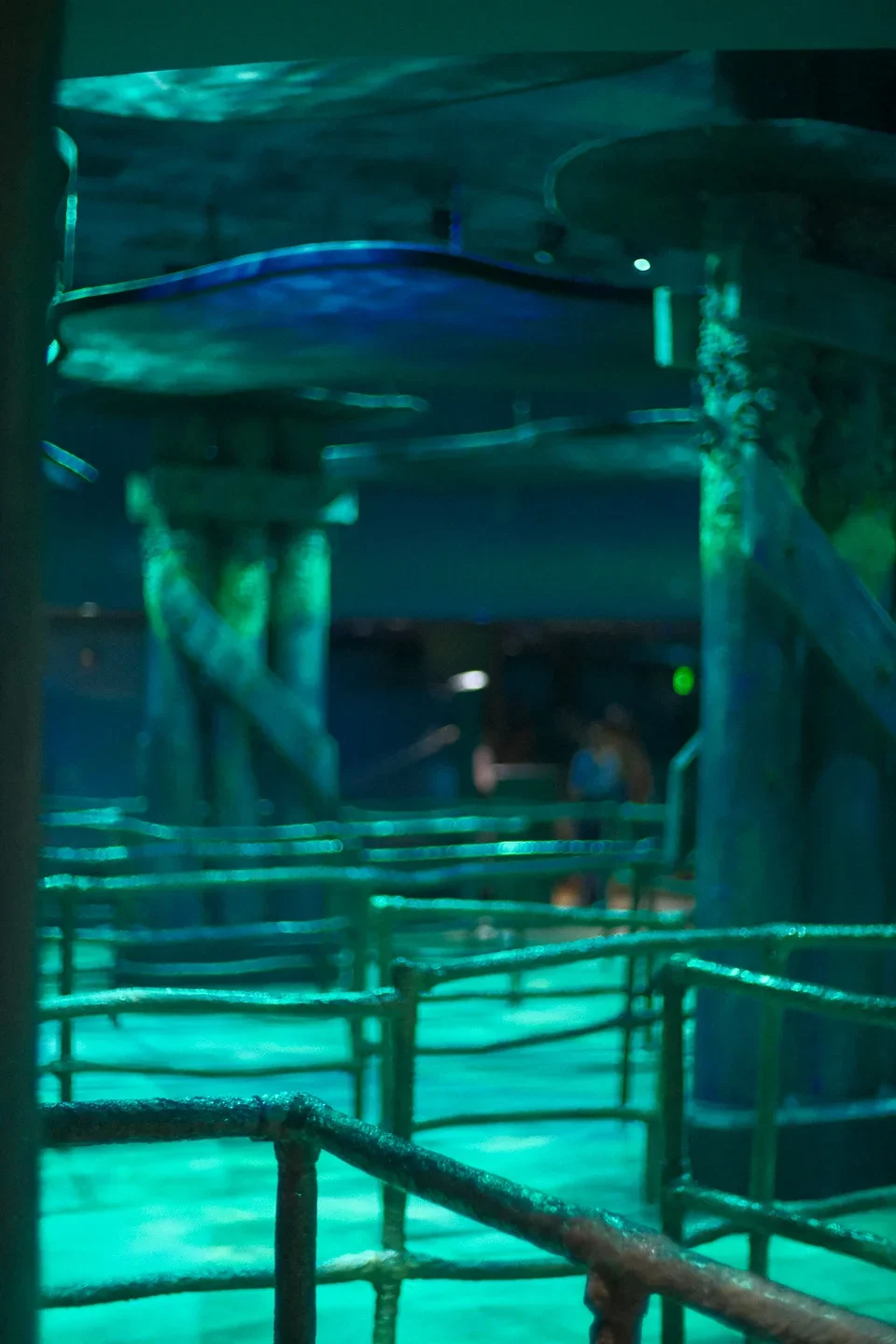
4. Manufactured Nature
Even nature inside EPCOT feels engineered.
Trees trimmed into controlled shapes.
Water positioned for reflection.
Landscapes arranged to appear organic while remaining completely maintained.
Nothing grows freely.
That tension became important:
nature designed to imitate wildness while removing unpredictability.
Beautiful, but controlled.
Alive, but supervised.
Requirement: The image must feel controlled, not wild.
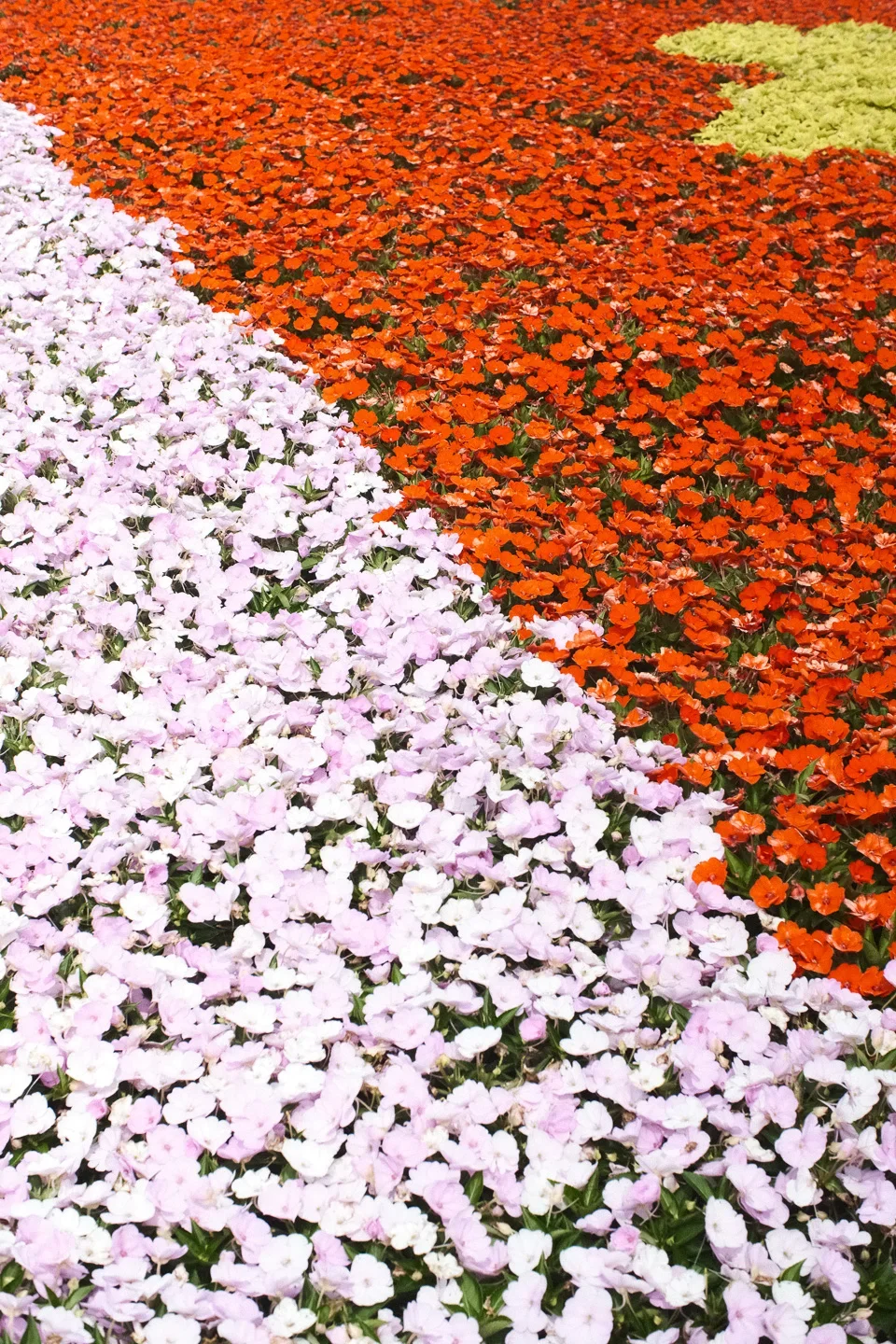
Perfectly aligned flower bed in orange, pink and yellow.
5. Time Collapse
One of the strangest parts of the assignment was noticing how many time periods existed simultaneously.
Historical architecture beside modern sneakers.
Ancient symbols beside smartphones.
Performers recreating cultural memory while surrounded by digital screens.
Nothing belonged entirely to one era.
The park constantly folds timelines together.
The images became less about geography and more about temporal infusion.
Requirement: The image must feel like time is layered or broken.
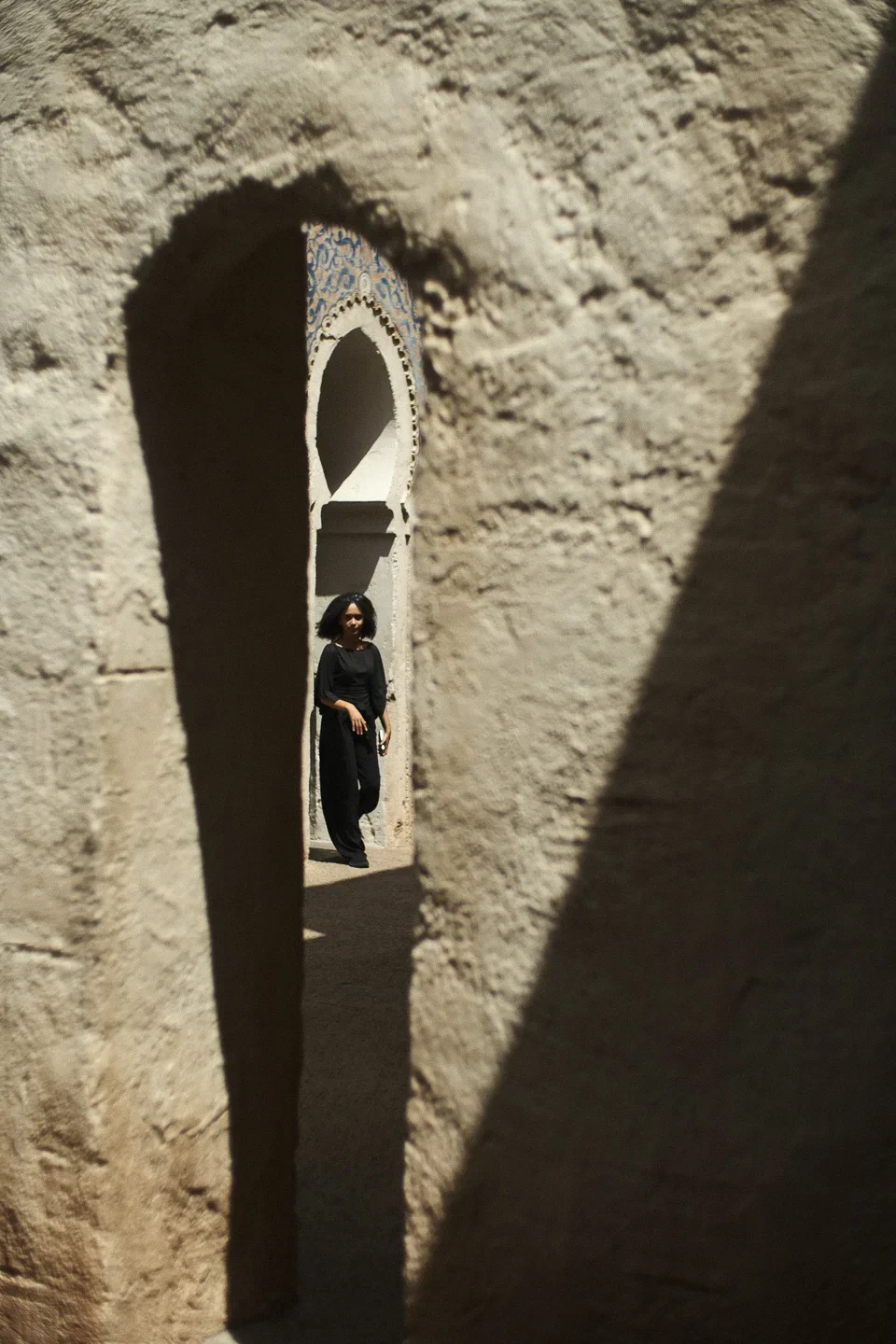
A woman walking in the Morocco Pavilion
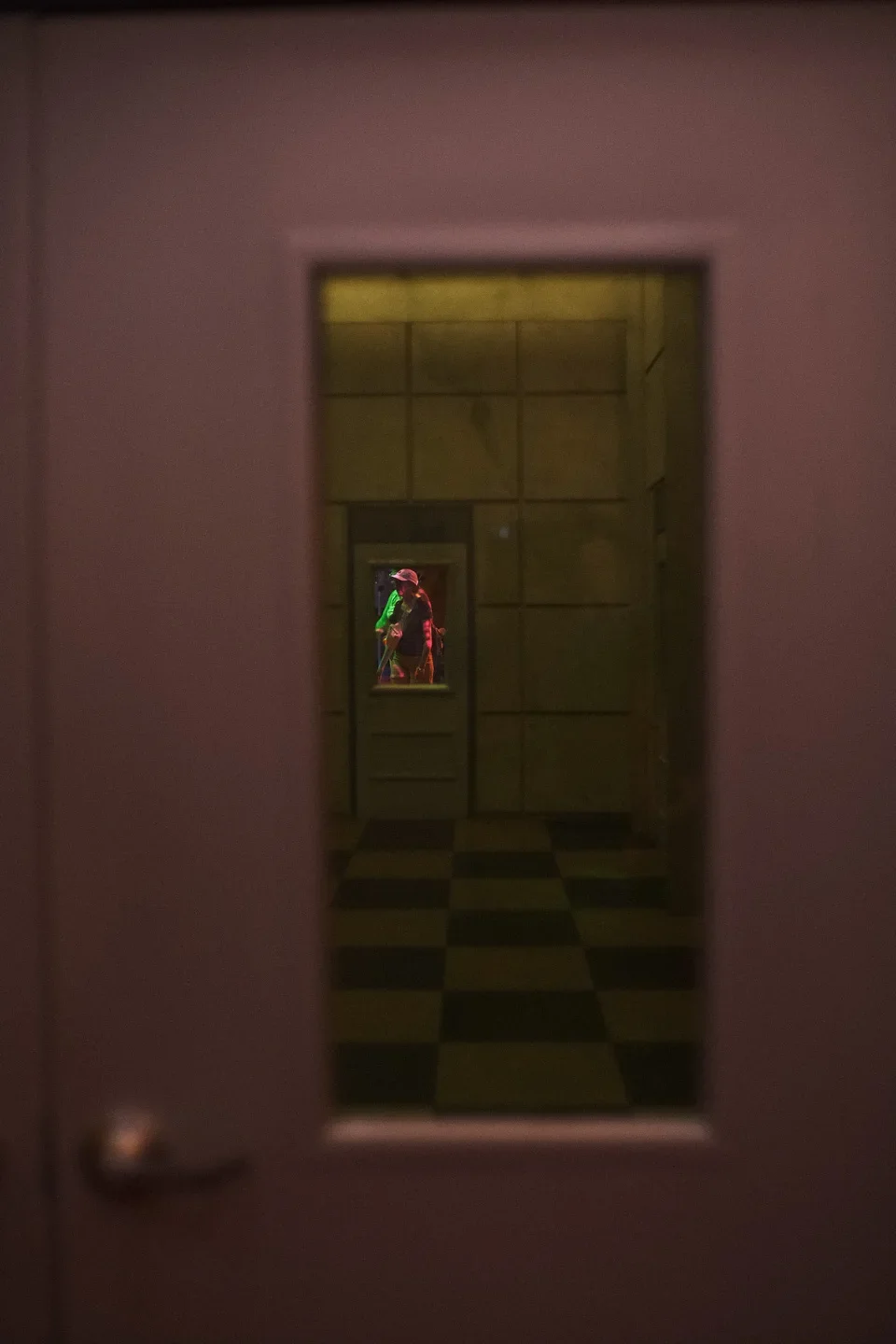
6. Exit Signal
The final frame mattered most.
It needed to feel like waking up.
Not dramatic.
Not cynical.
Just honest.
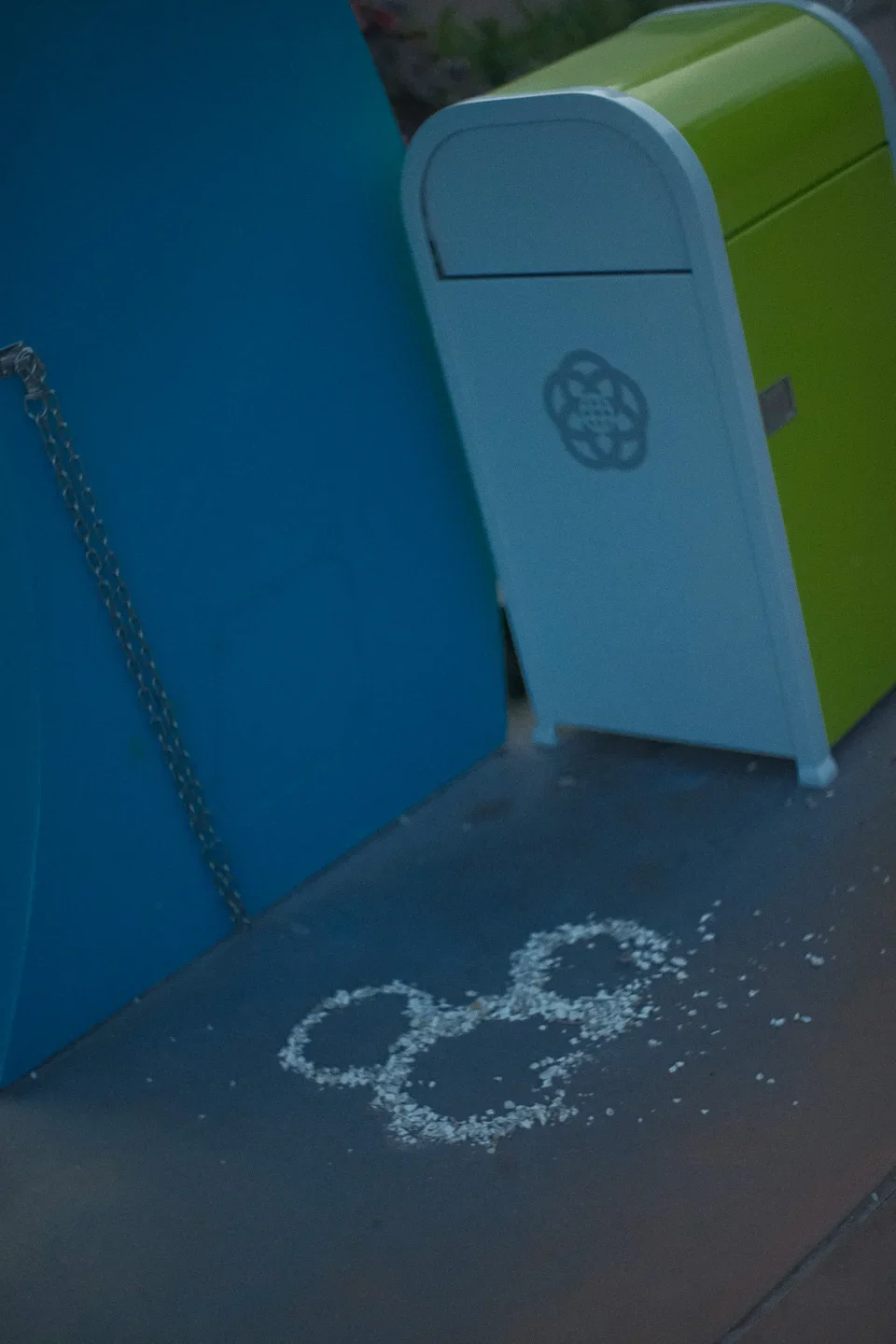
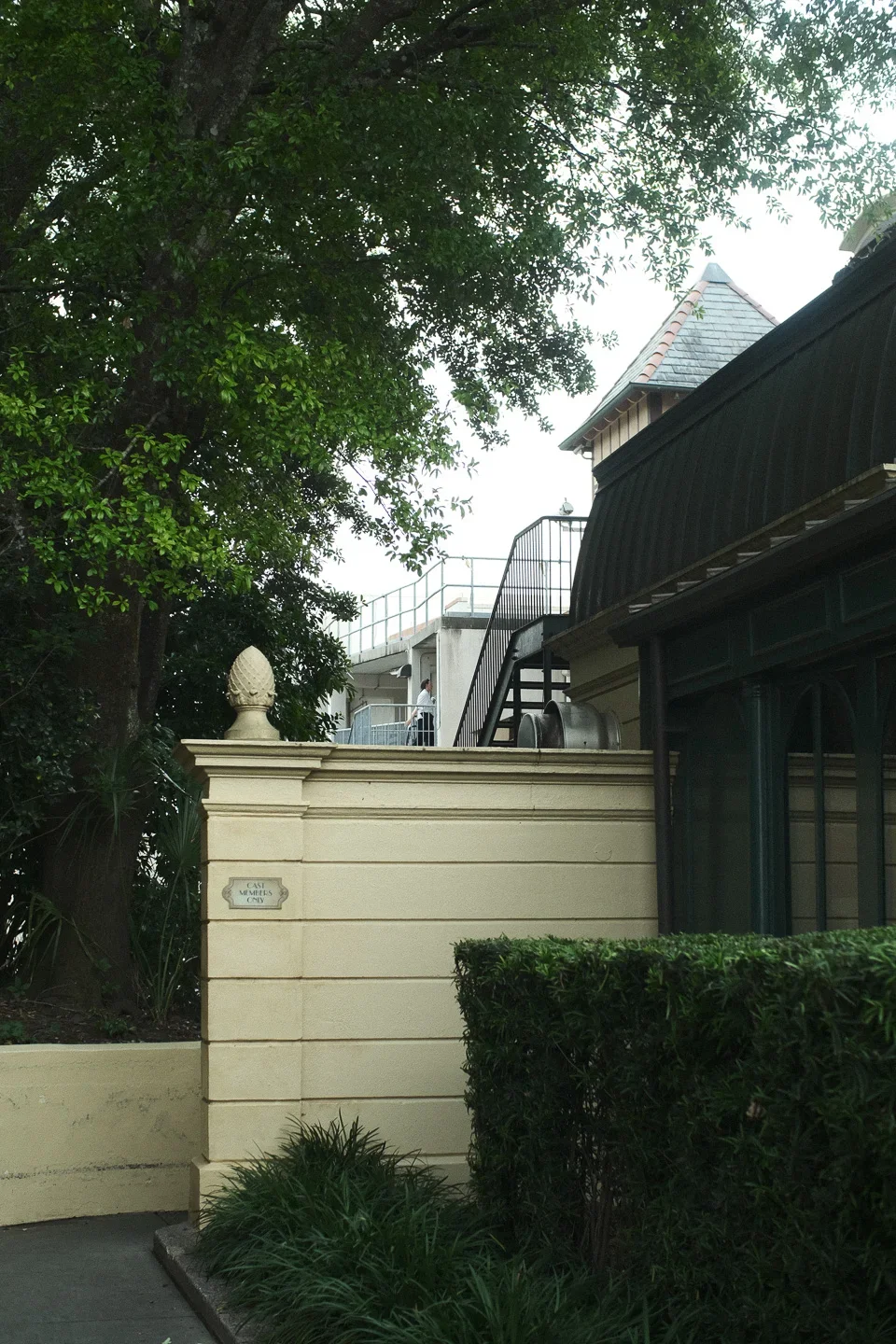
A maintenance detail.
Wear on a surface.
A backstage edge.
Something small that interrupted the performance.
The moment where the illusion briefly stopped protecting itself.
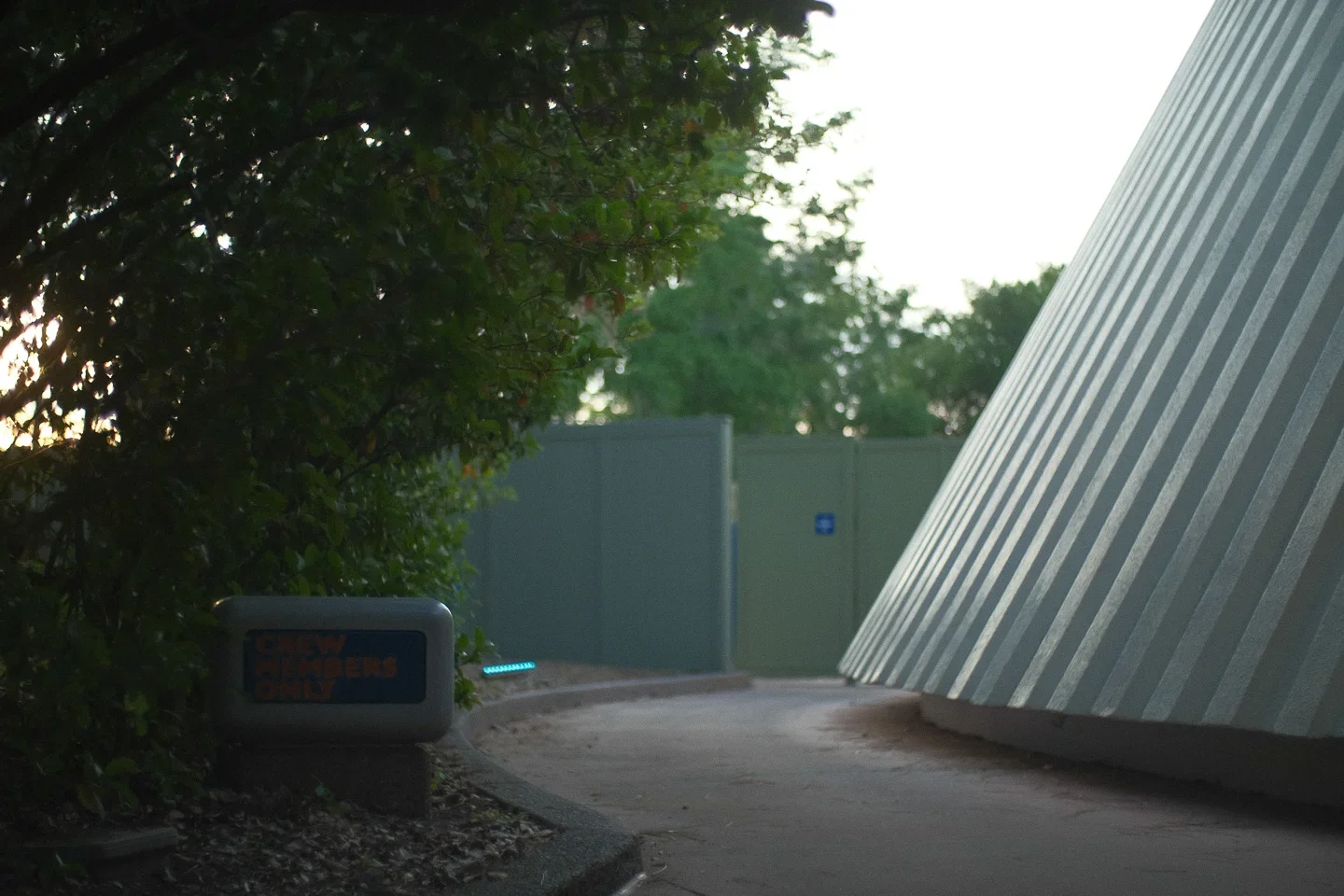
The path cast member take to go in and out of areas in the park.
Bonus
Shoot one image where you cannot tell if it was taken in EPCOT or in the real country it represents.
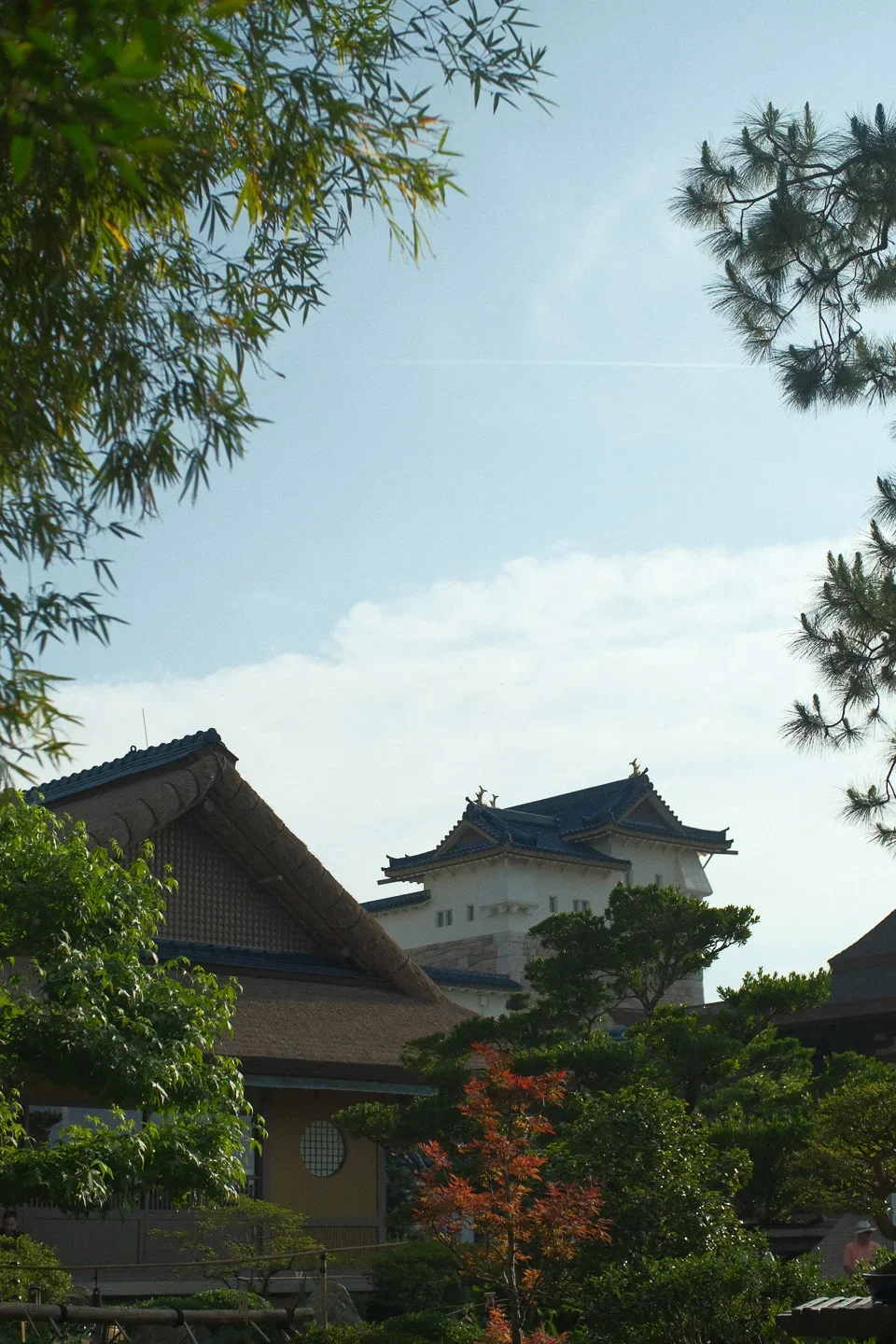
Japan Pavilion’s Katsura Grill and Castle surrounded by beautiful trees.
Hard Rules (No Exceptions)
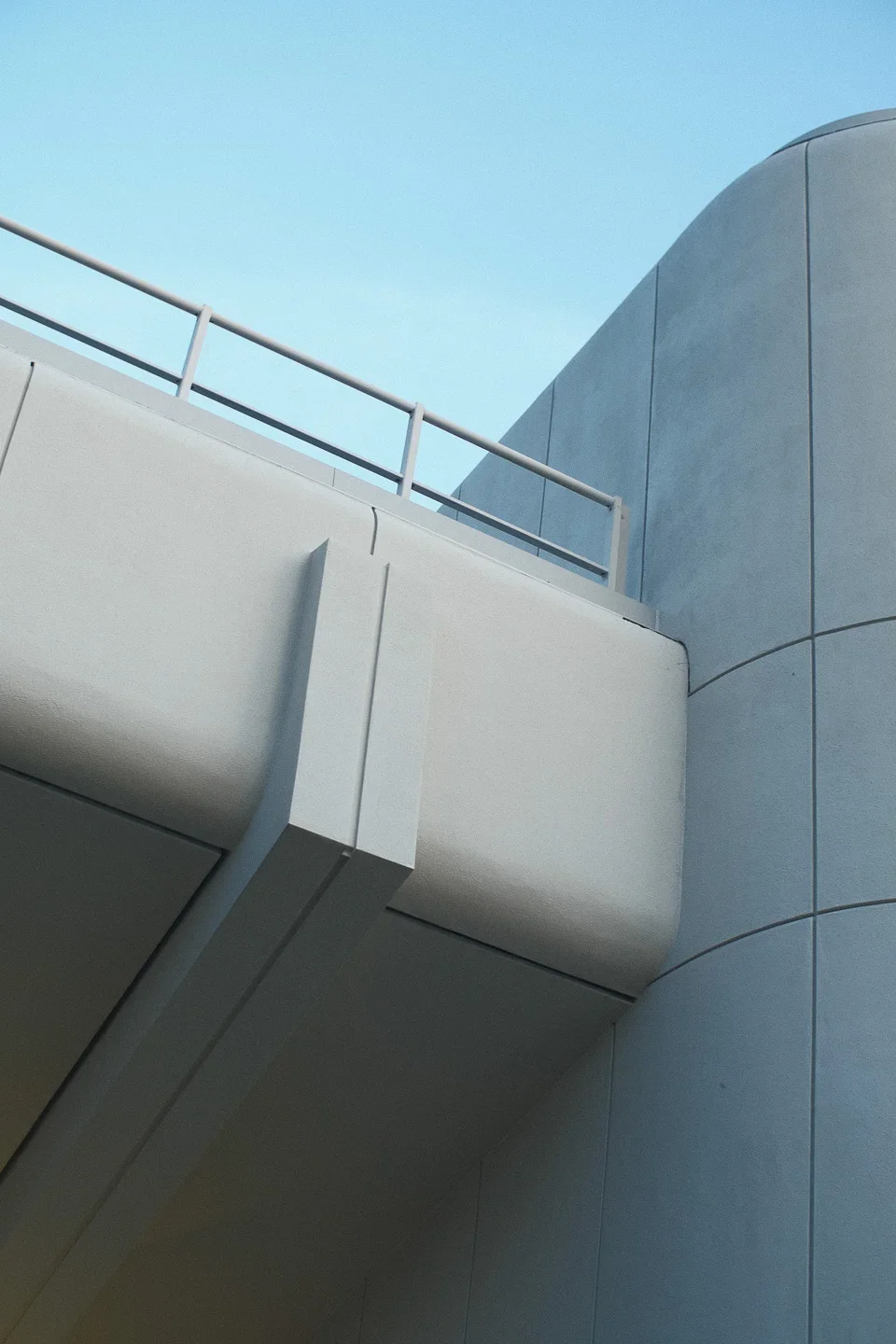
No wide “theme park” shots
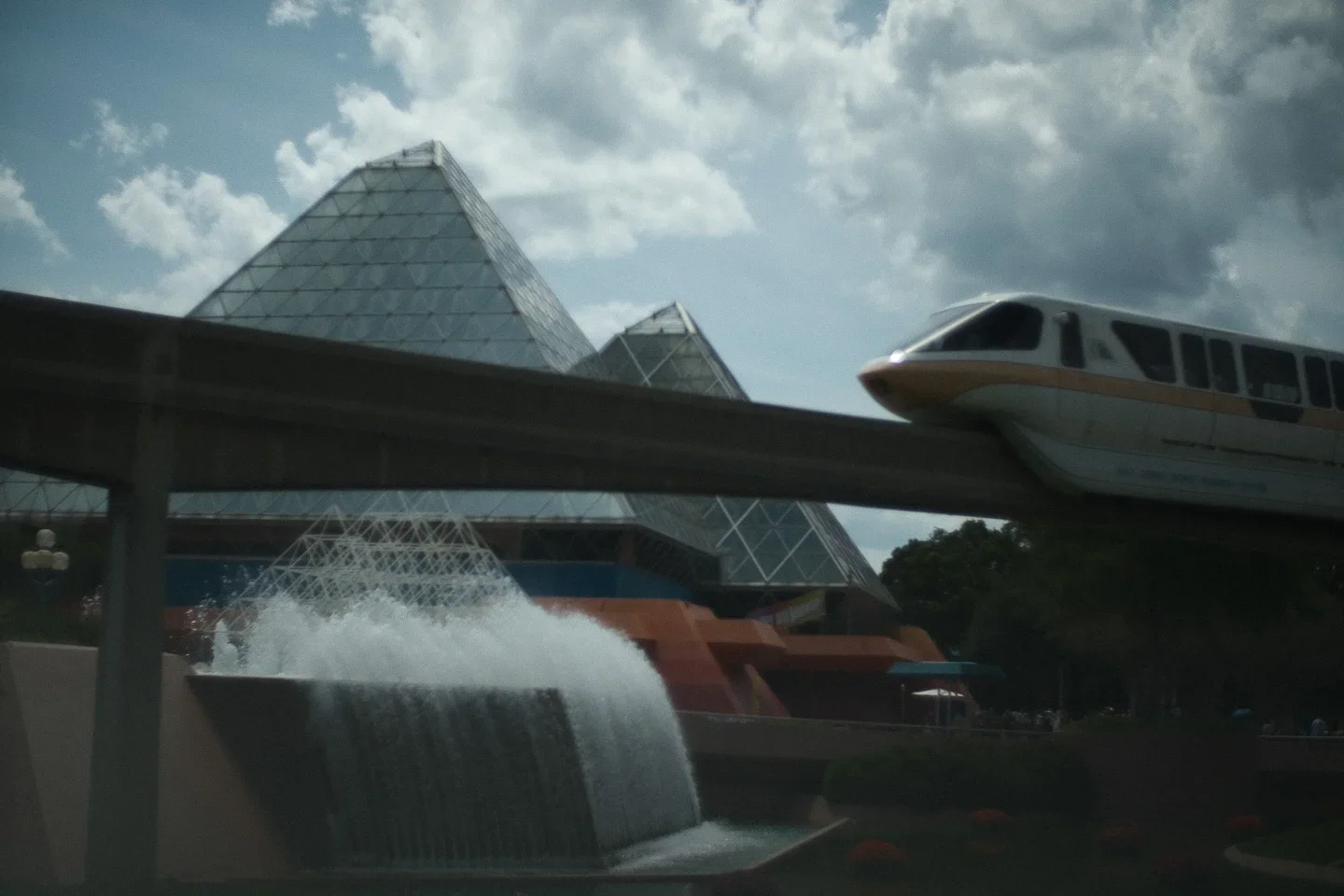
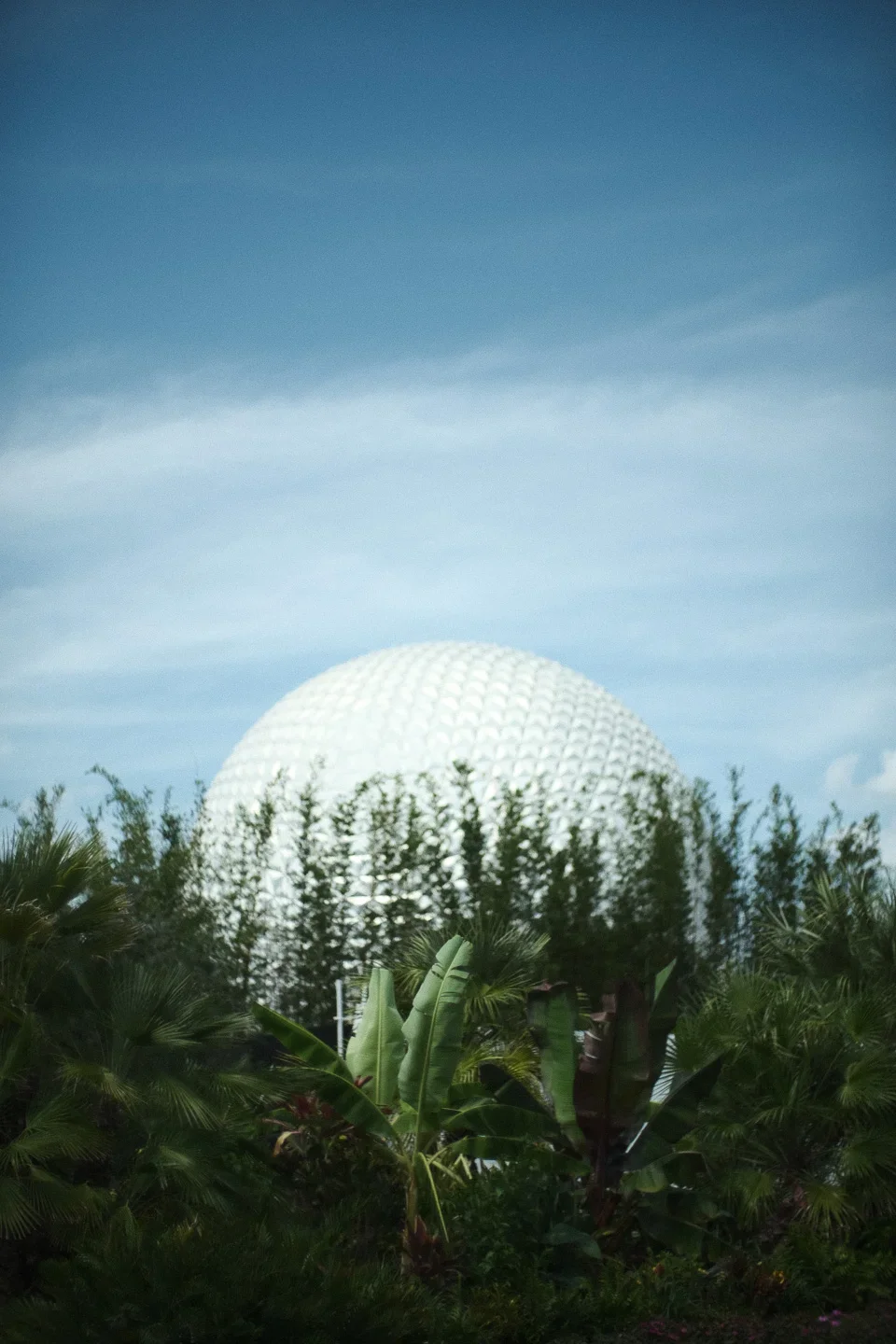
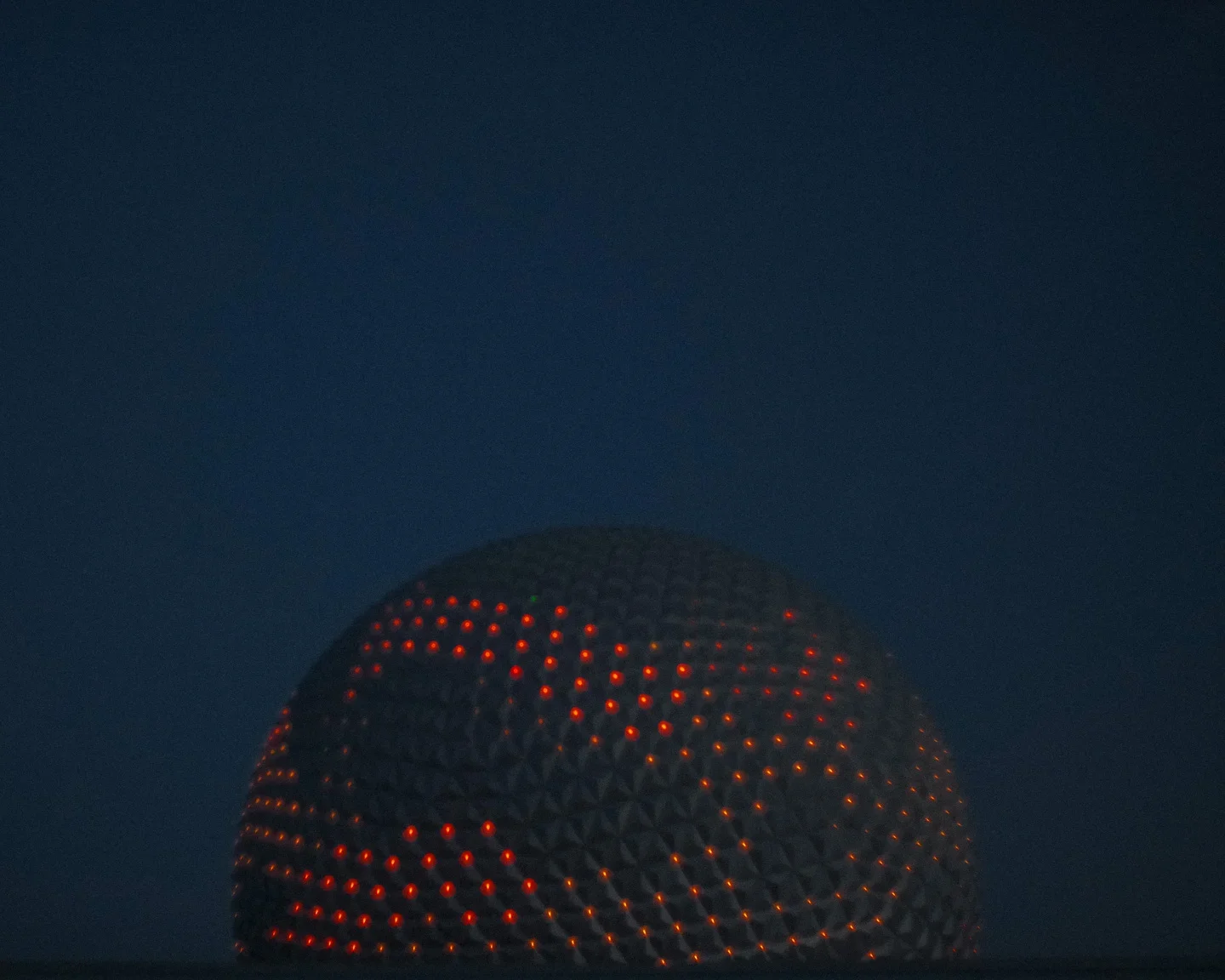
No obvious icons (no clean postcard Spaceship Earth shots)
Max 3 elements per frame
Shoot mostly 50mm–85mm equivalent
Every image must contain visual tension
No image can rely on color alone — it must work in black and white
What Stayed With Me
The assignment changed the way I thought about photographing designed environments.
Most places like this are built to eliminate ambiguity.
Everything is engineered to guide emotion efficiently.
Photography becomes more interesting when you resist that guidance.
When you stop photographing what was designed to be seen,
and start paying attention to what the environment accidentally reveals instead.
That is where the real images usually are. That’s how you know you’re close.
Other images from the set below.