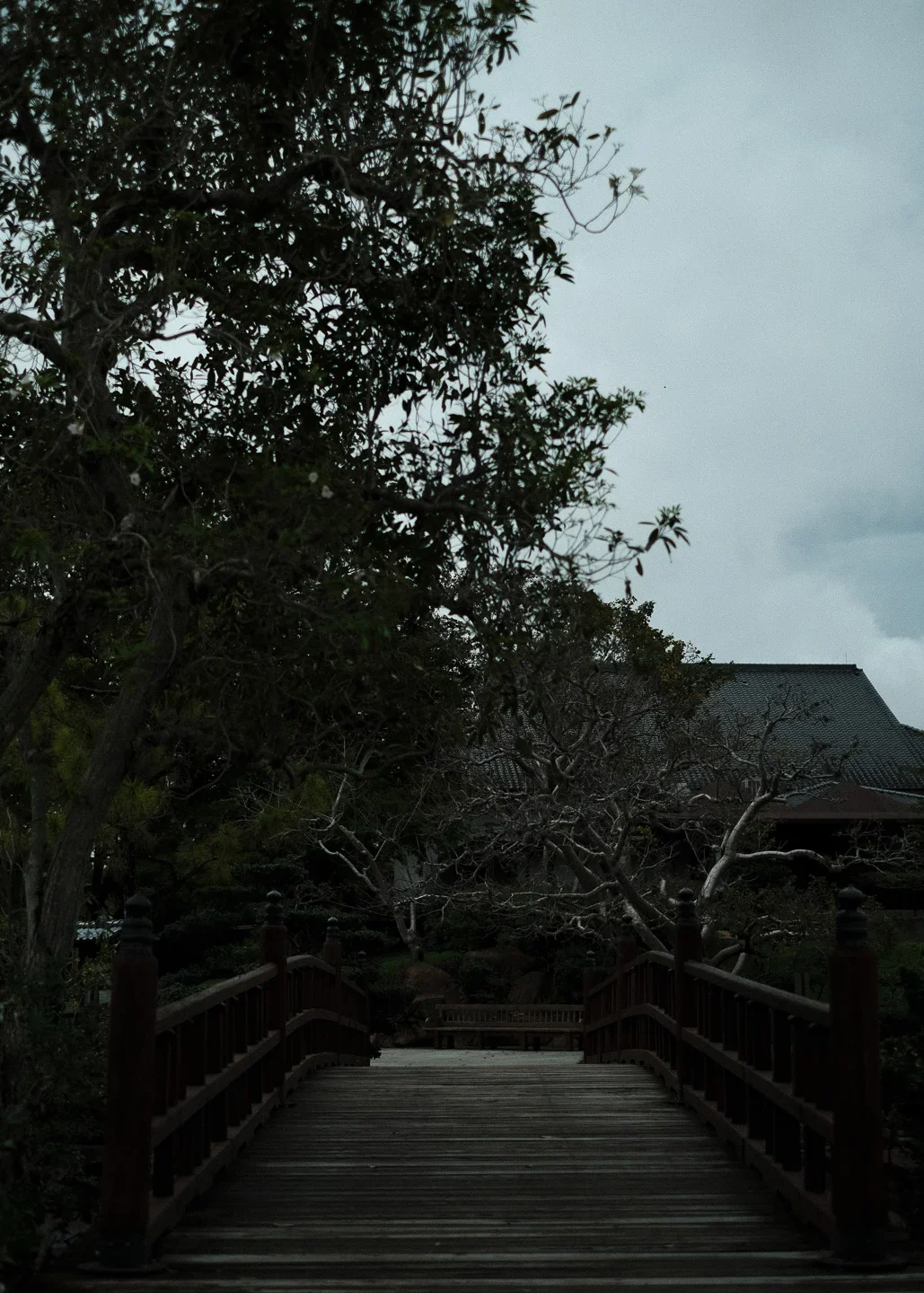
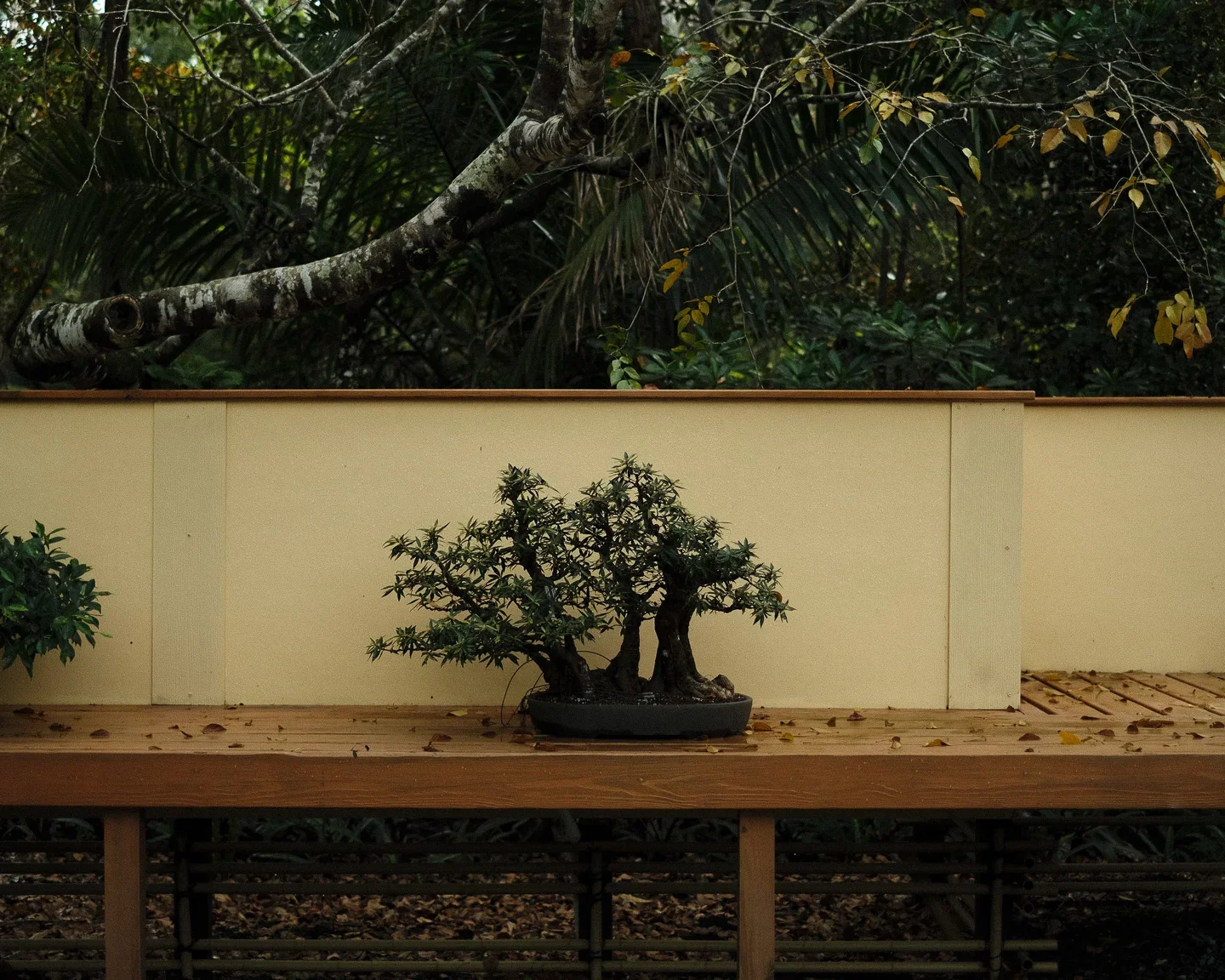
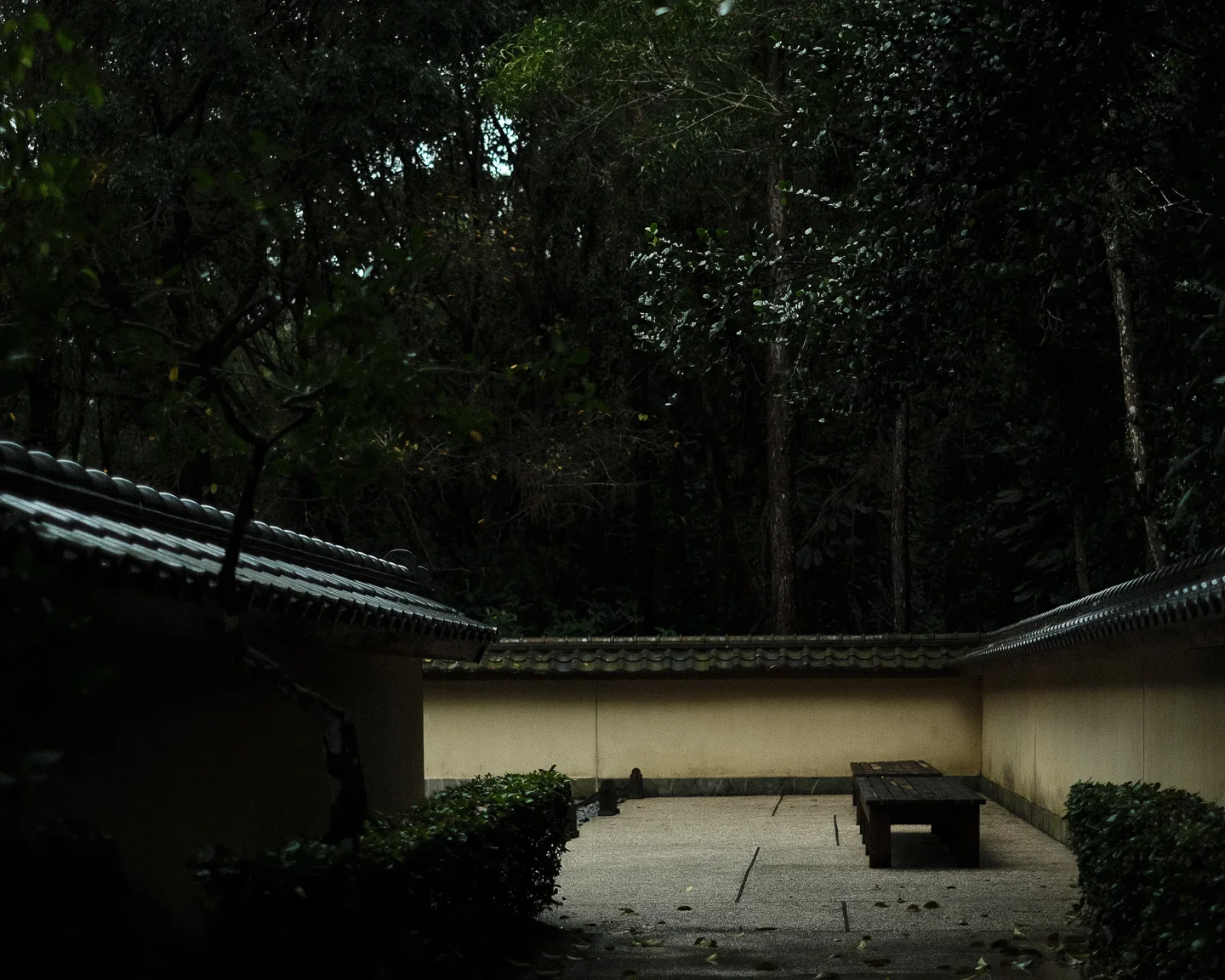
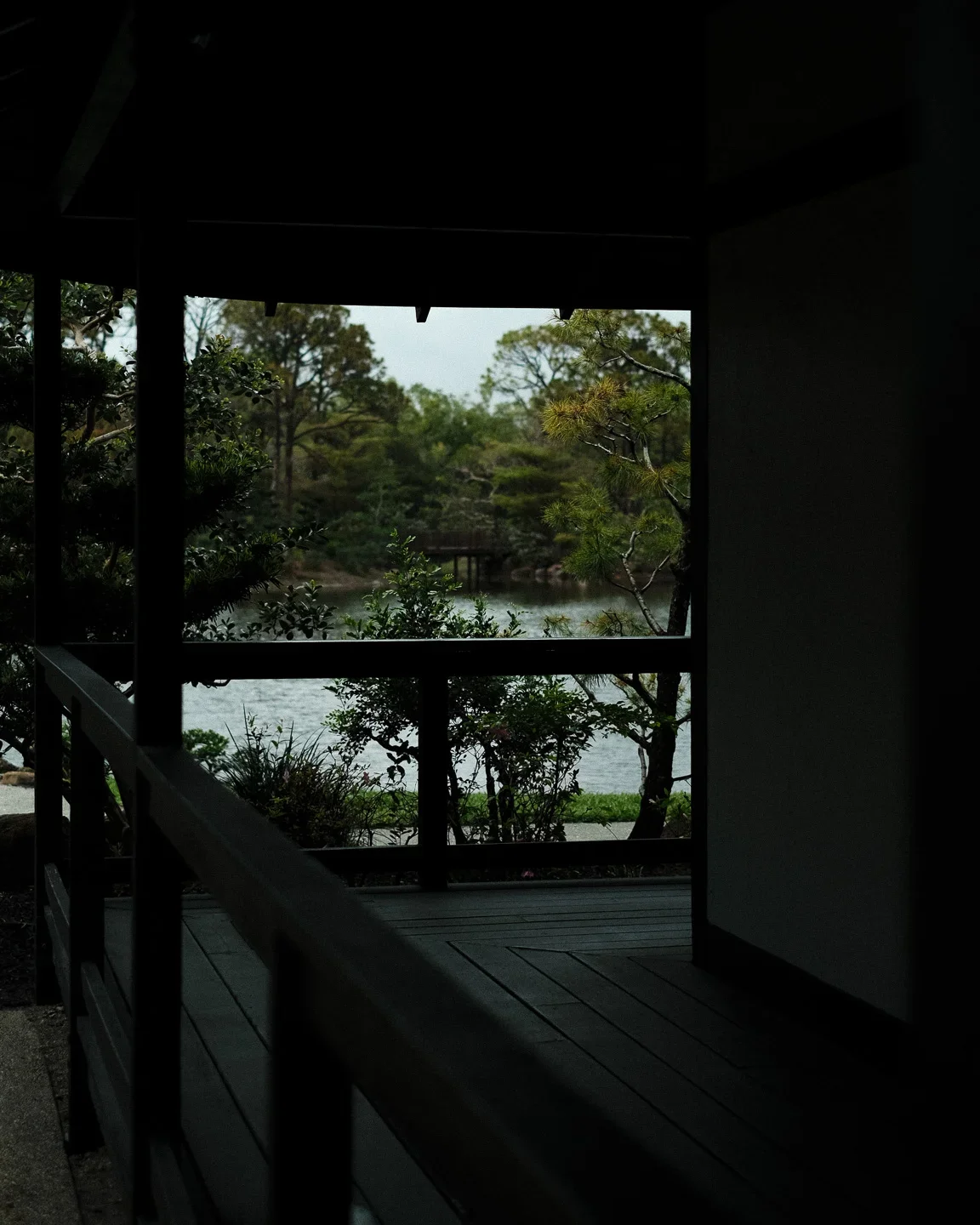
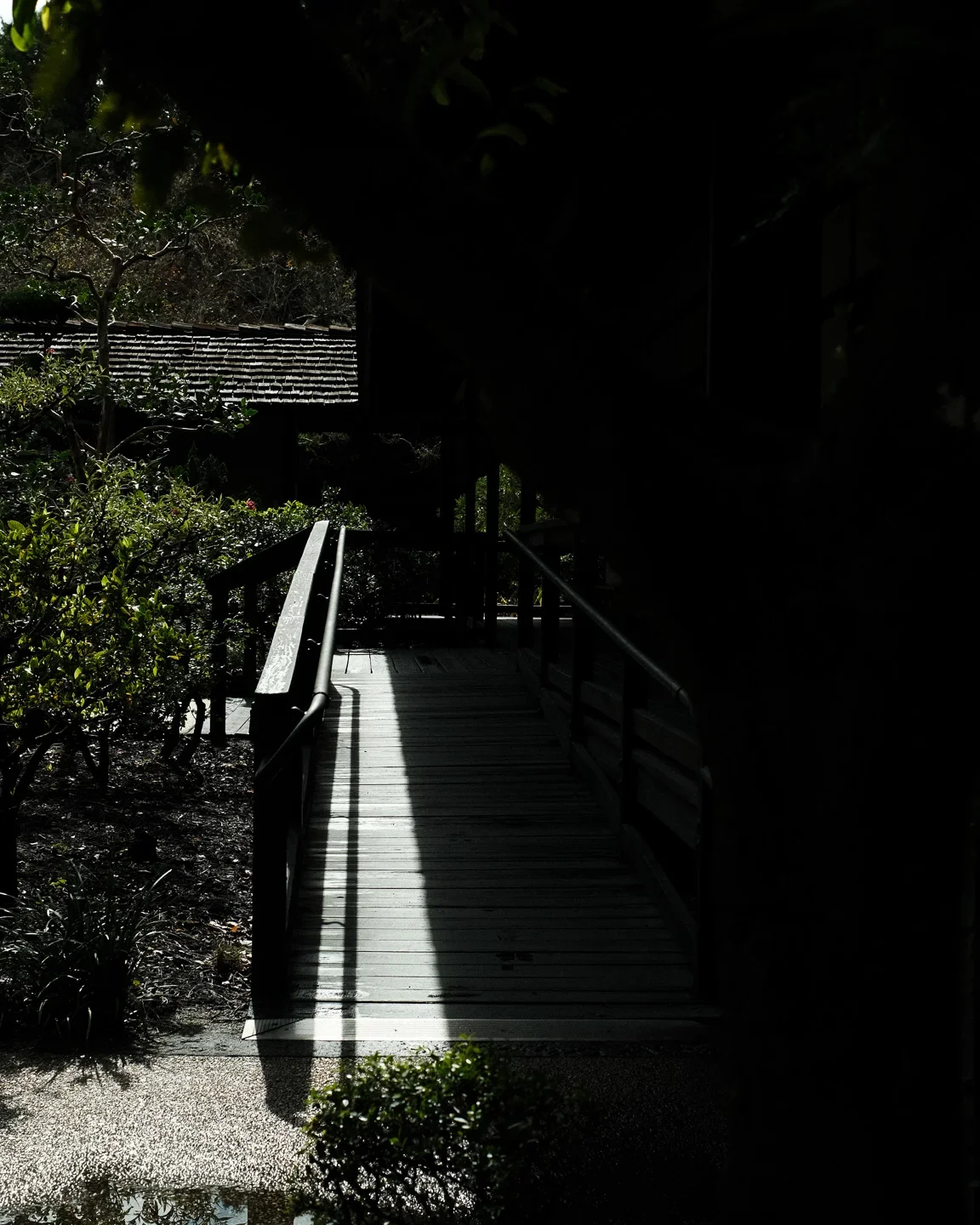
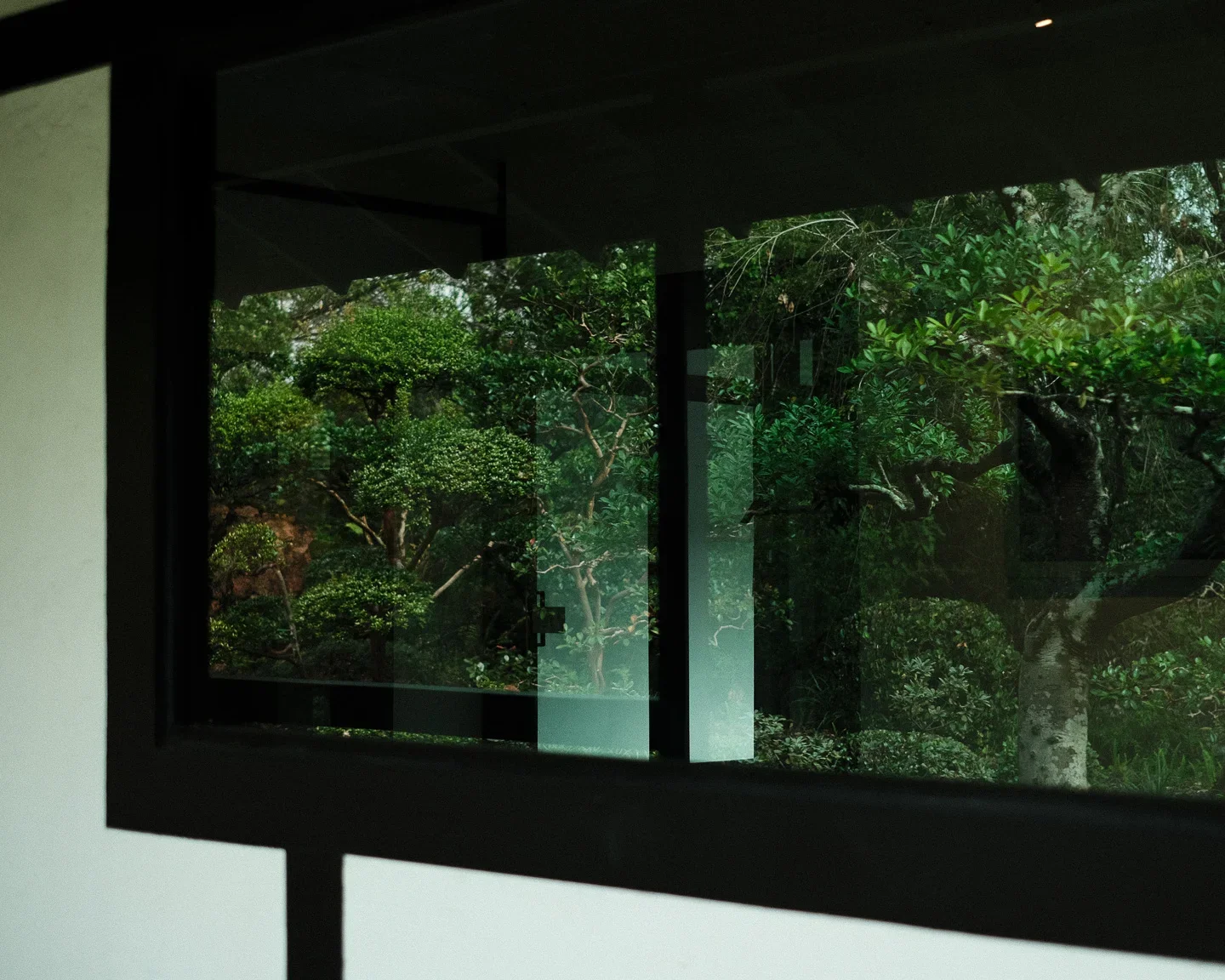
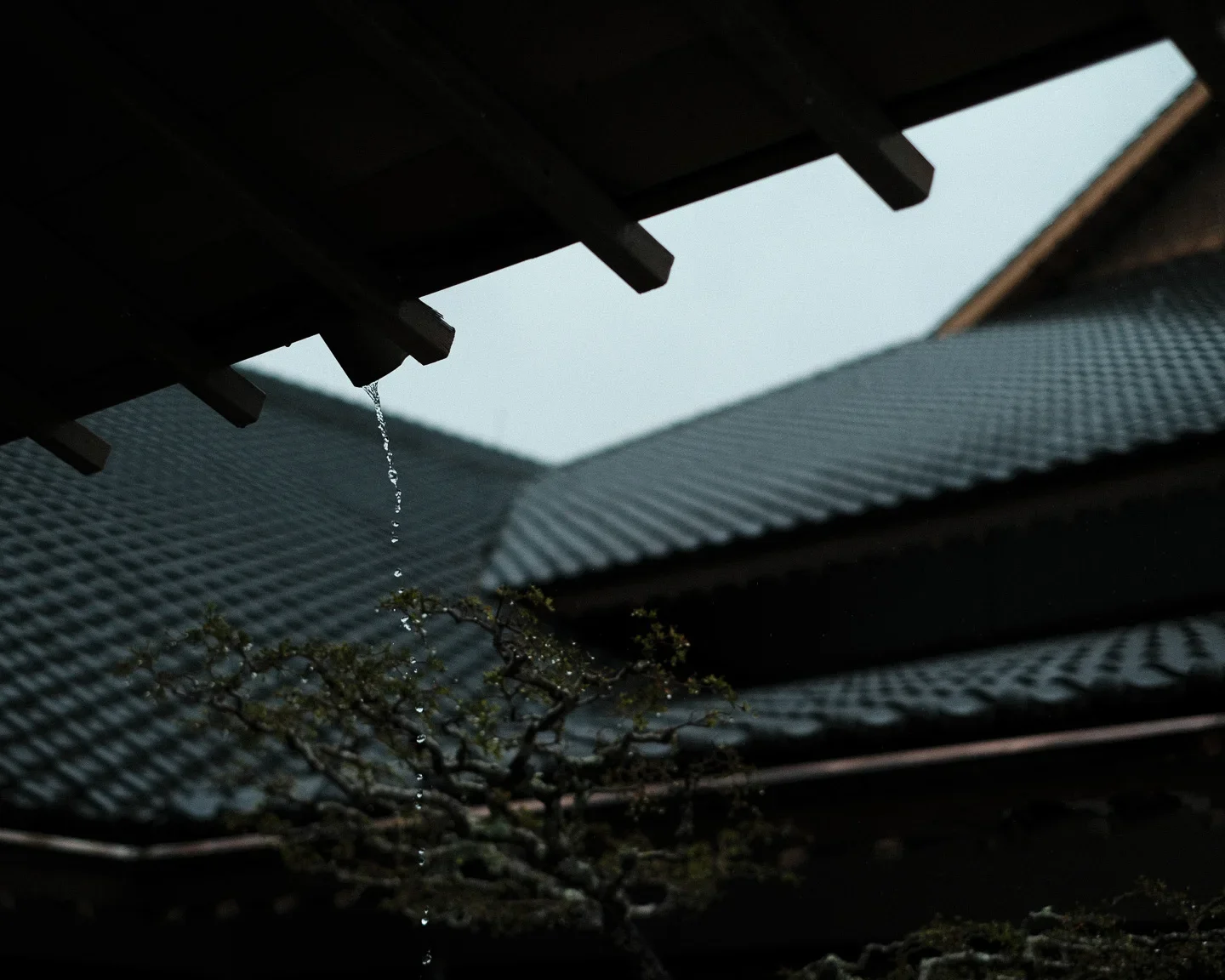
Morikami Museum and Garden
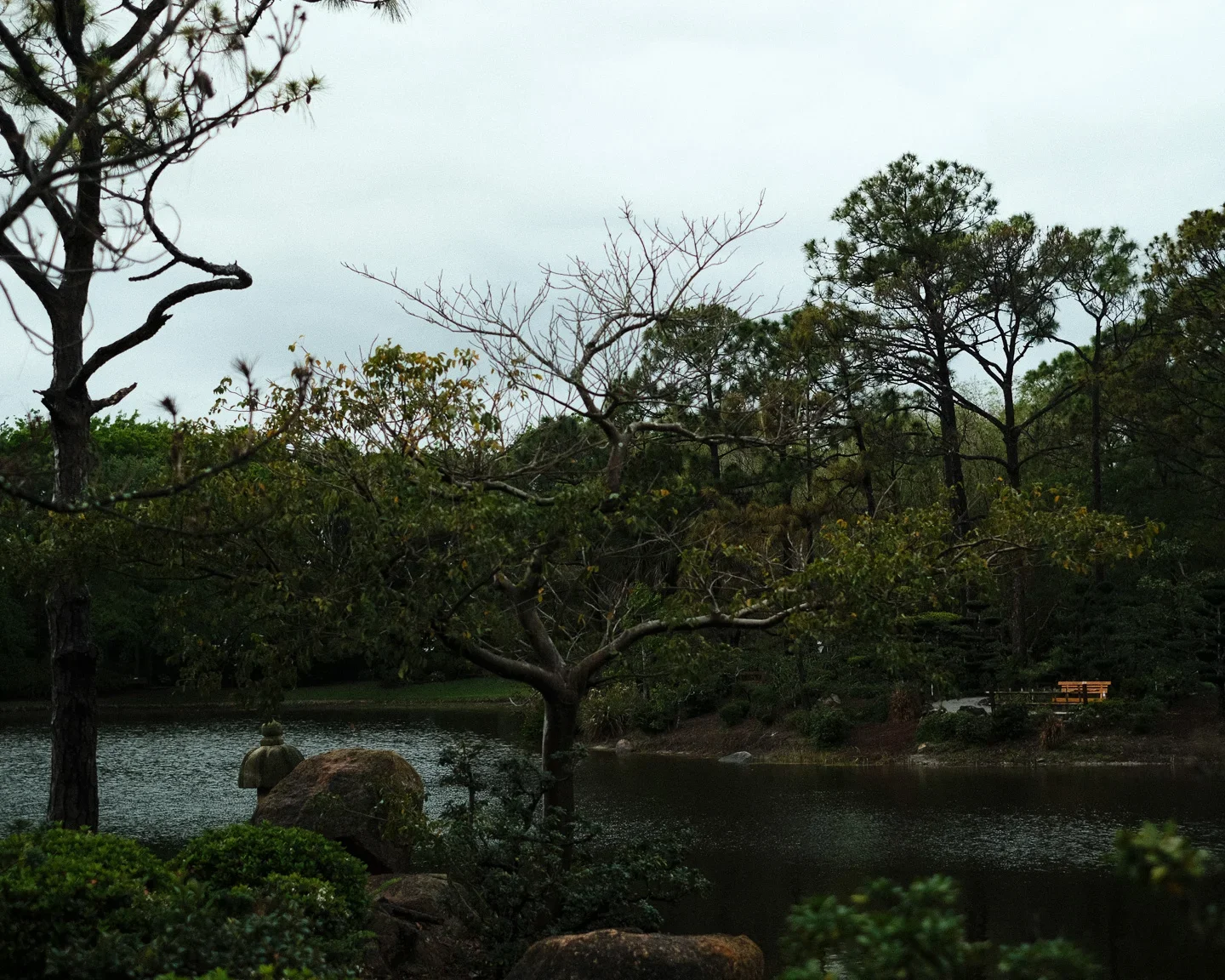
Most people photograph these Japanese gardens the same way.
Wide frames. Clean symmetry. Obvious beauty.
The compositions are already there, waiting.
I wasn’t interested in that. I went in with a constraint:
Don’t photograph the garden. Photograph what is changing.
Rain made that possible. I almost didn’t make the trip because of the rain, yet decided to go anyways. As photographers, sometimes we have to take that risk. This time, it paid off.
All the images from the set are found at the bottom below the post.
The Constraint
I gave myself two hours to build a five-image story.
Rules:
No wide scenic shots
Every frame must include water or evidence of rain
No more than three elements per image
One lens, no retouching (I did do some perspective corrections and removed a few distracting elements)
Each image must feel distinct
The structure was simple:
movement → imperfection → pattern → human trace → stillness
Not a collection of photos. A sequence.
In the Field
At first, nothing felt usable.
The garden looked the way it always does—controlled, composed, finished.
Rain flattened everything.
Light became soft and directionless.
Colors muted. Low contrast.
It took me some time to adjust my thinking.
The shift was small but important:
I stopped looking for subjects and started watching for changes.
A ripple.
A droplet.
A surface.
That’s where the creativity began.
The Five Images
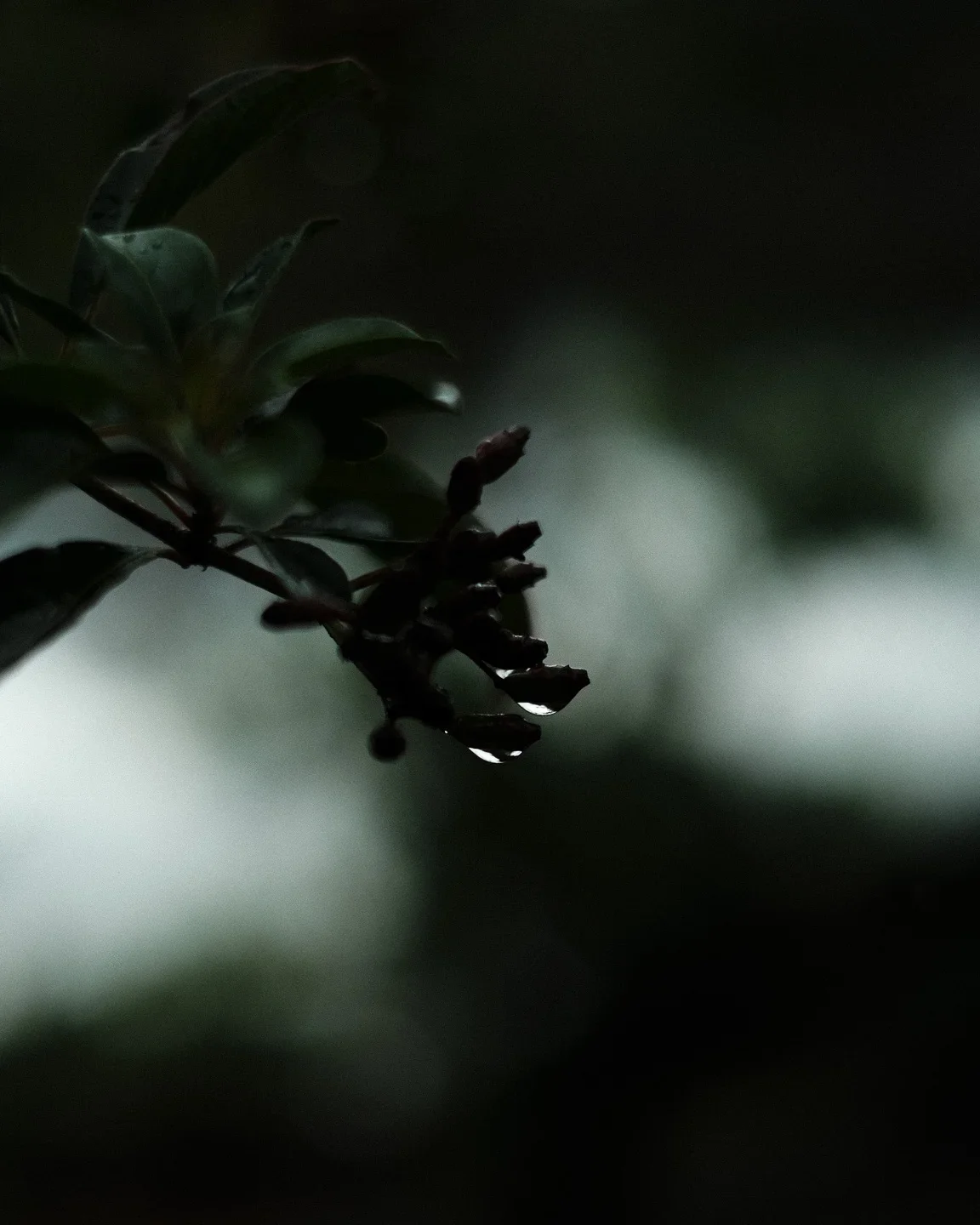
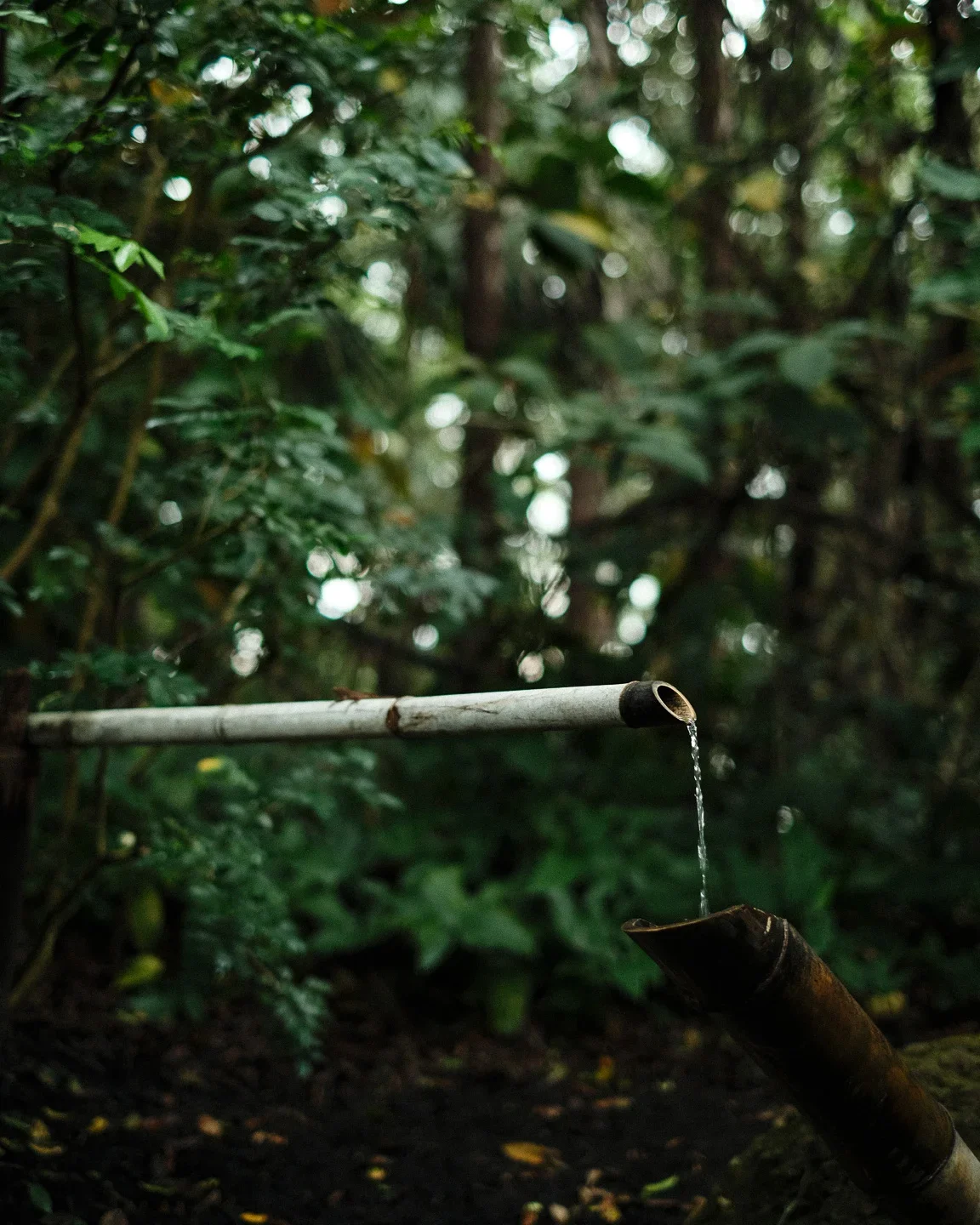
1. The Breath of the Garden
Movement was subtle.
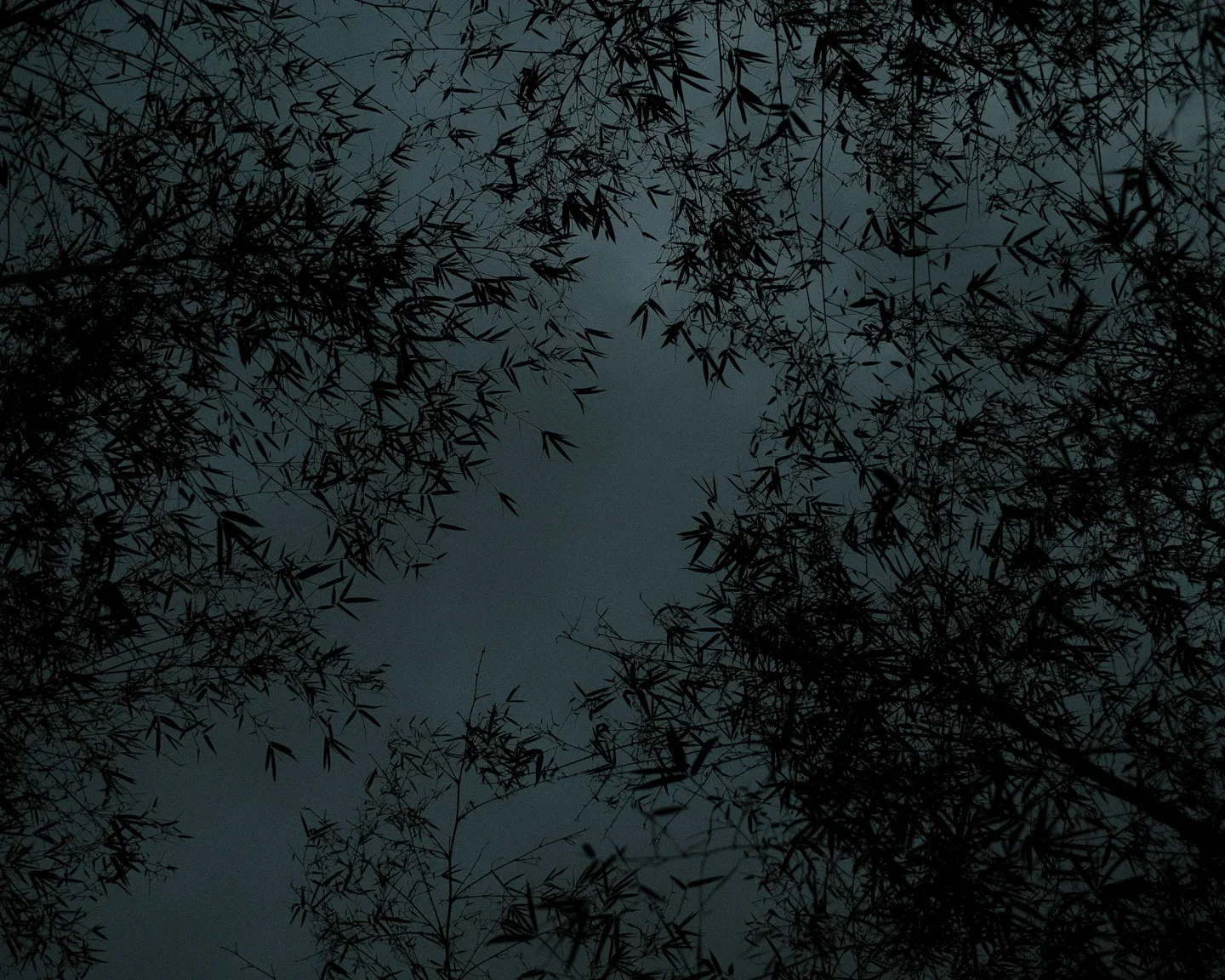
Leaves barely moved at times. Bamboo bent slowly, almost imperceptibly, creaking.
The wind wasn’t dramatic—it was patient.
The difficulty wasn’t capturing motion.
It was recognizing it before it disappeared.
Too fast, and it looked chaotic.
Too slow, and it looked still.
The image sat somewhere in between.
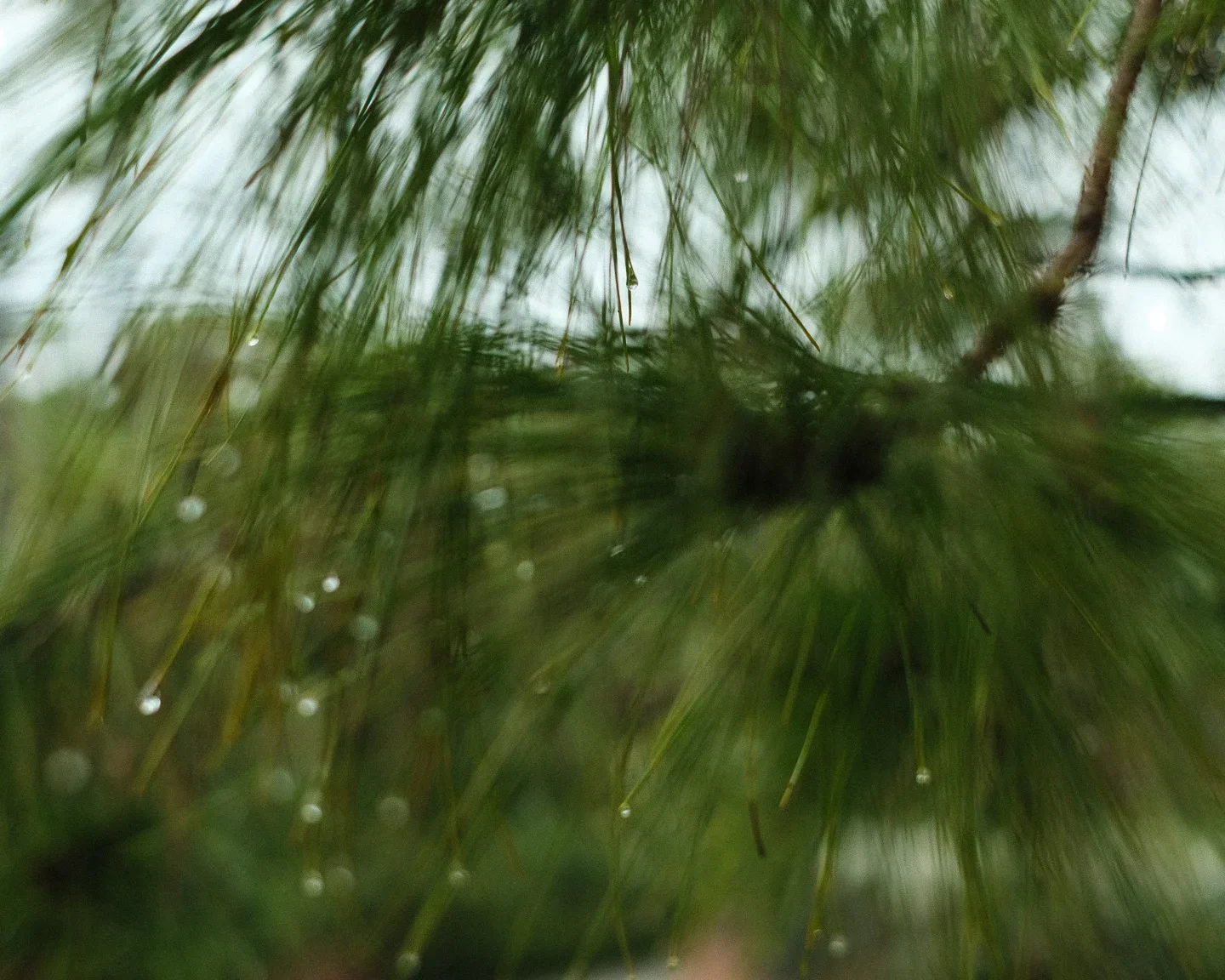
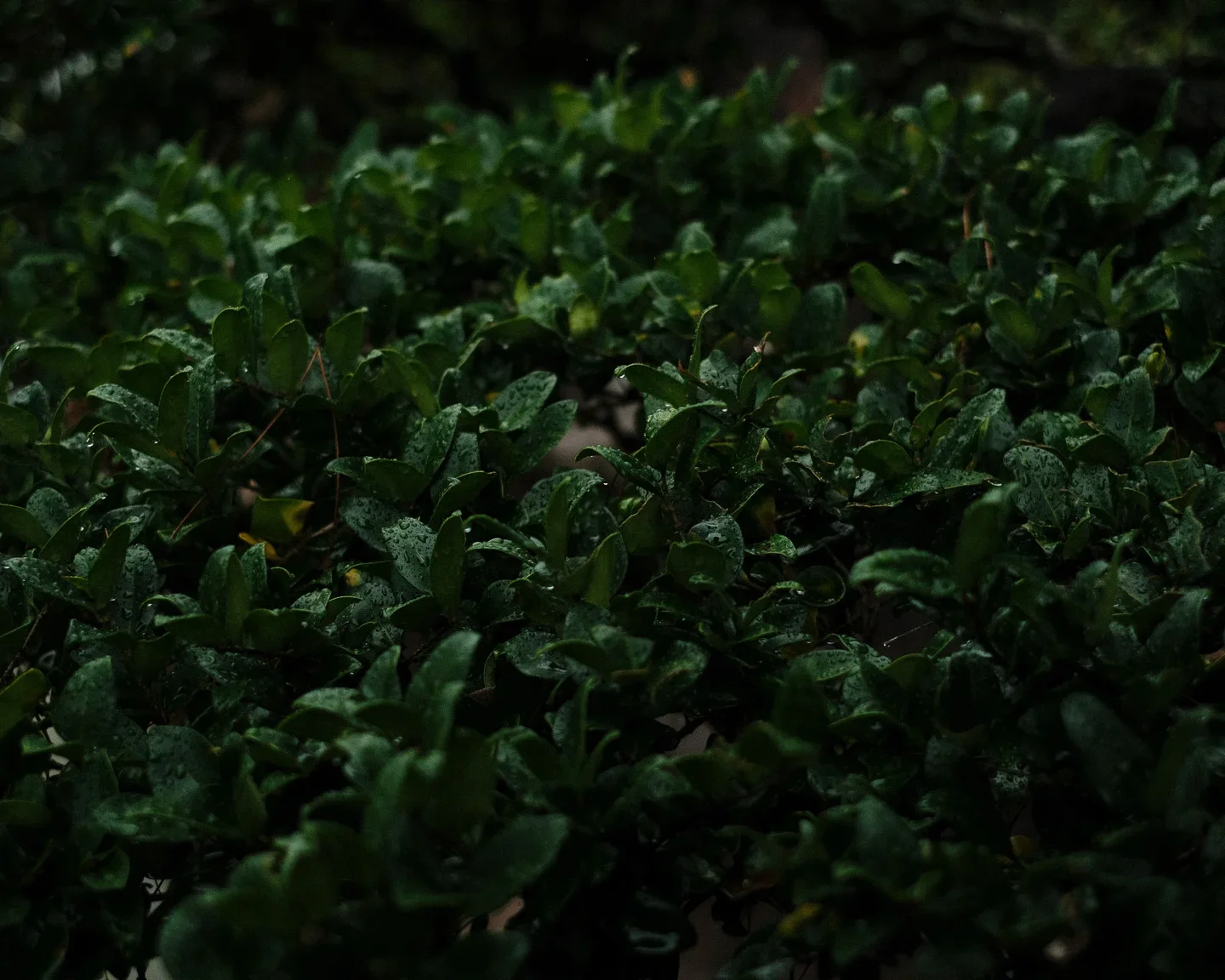
Droplets of rain on a tree at Morikami
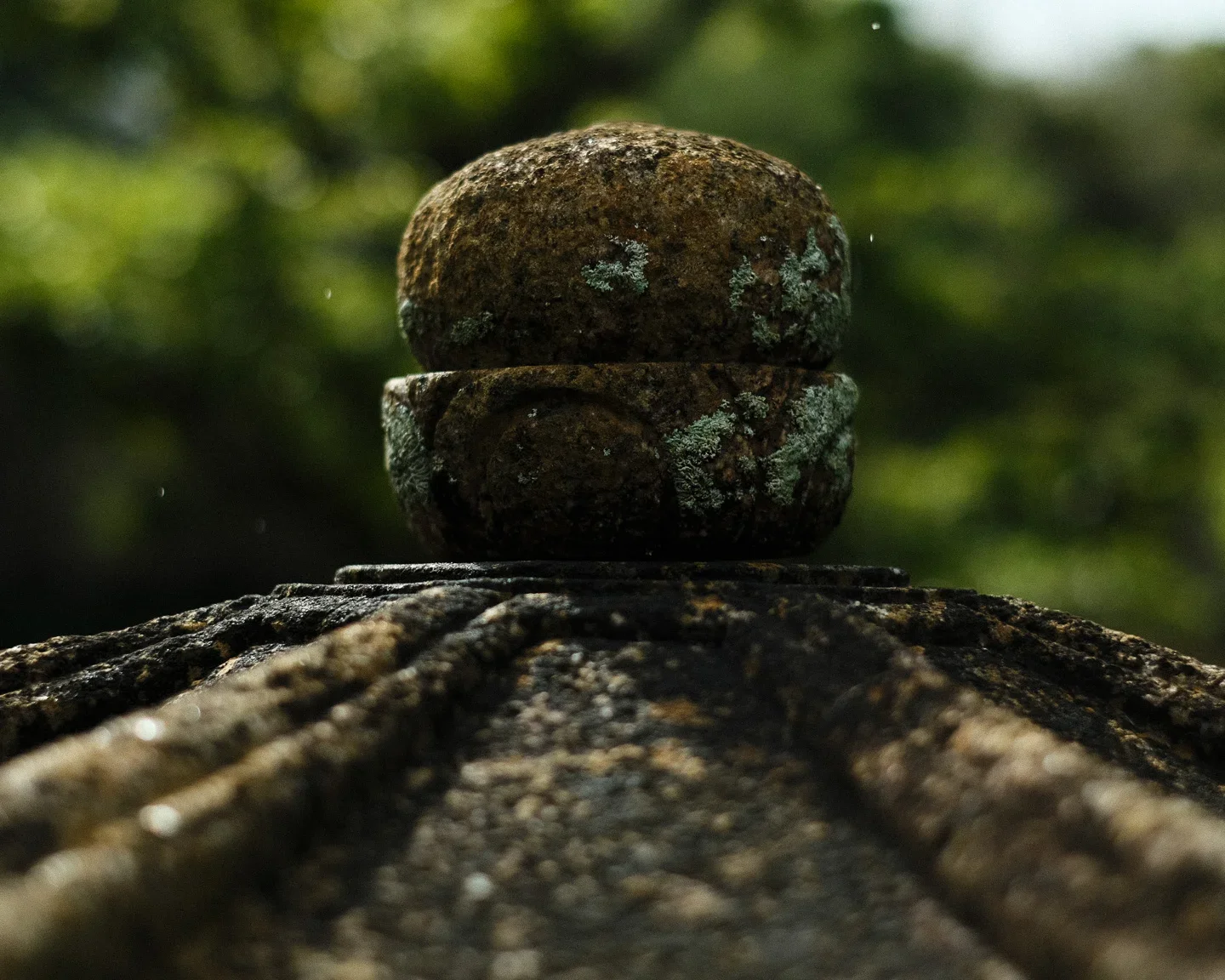
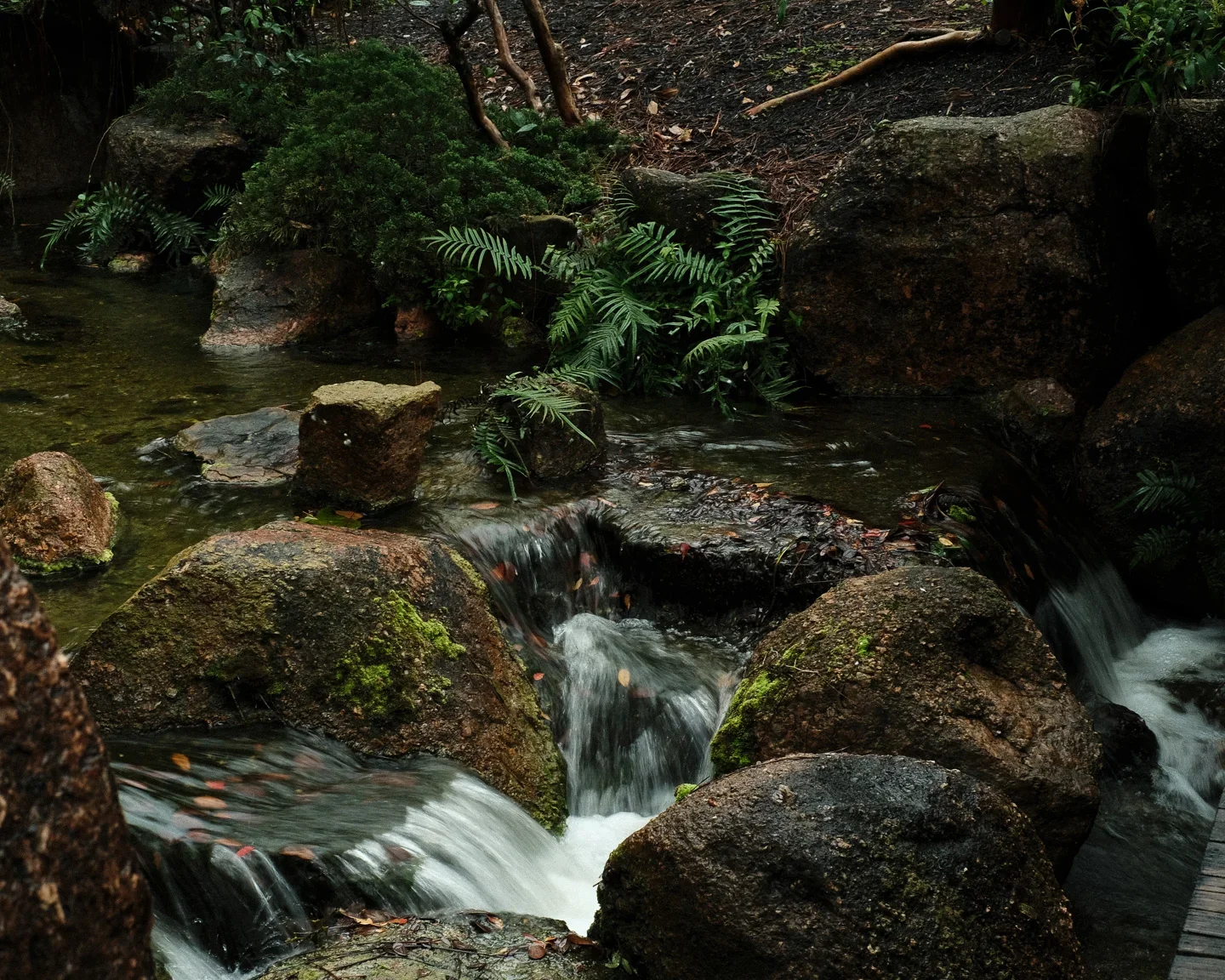
2. Imperfect Beauty
Nothing there was designed to be perfect.
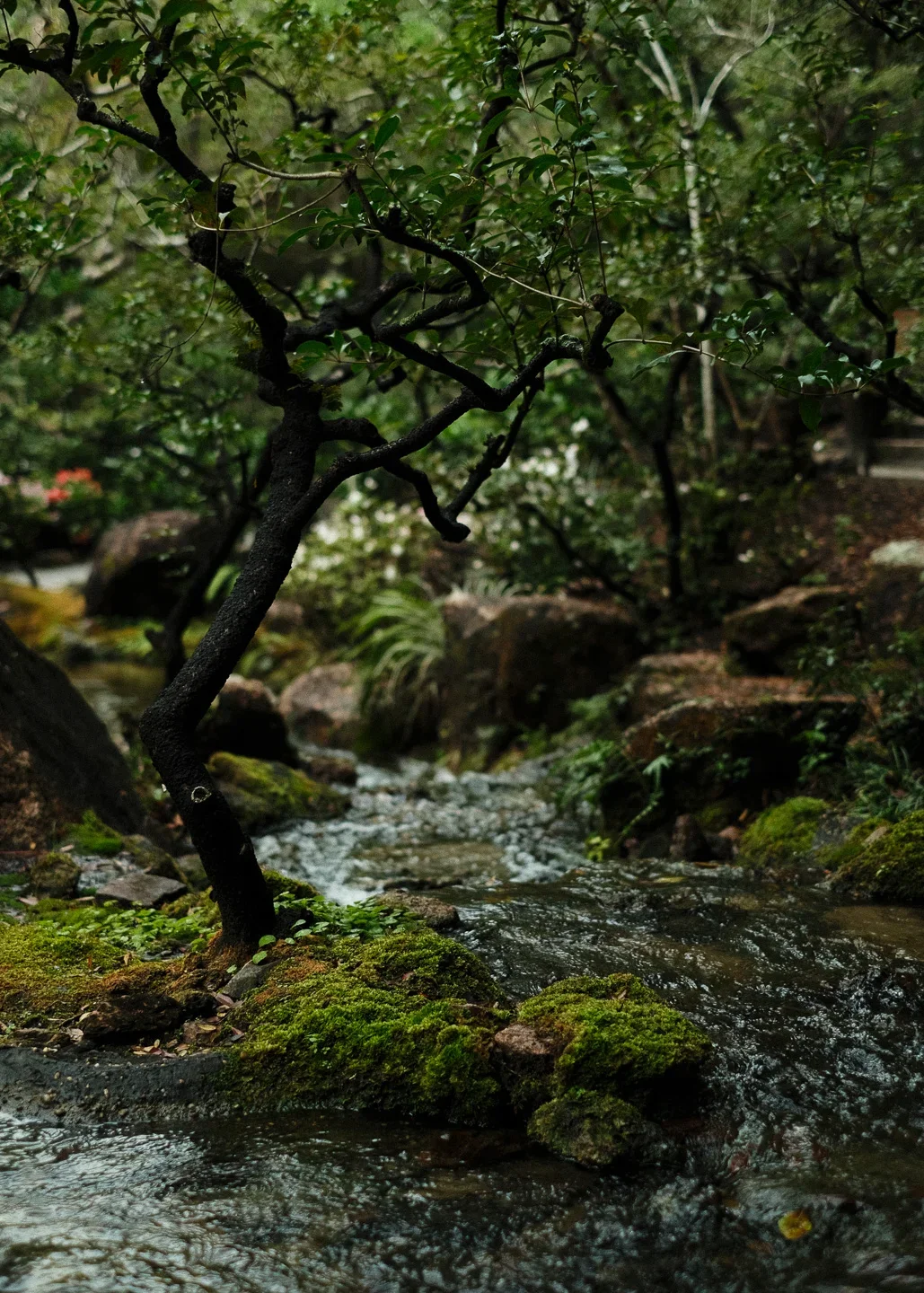
Stone was uneven.
Moss spread without pattern.
Edges broke down slowly over time.
These weren’t flaws. They were evidence.
The challenge was restraint: not to improve the scene, not to clean it up, only to frame it so that it could stand on its own.
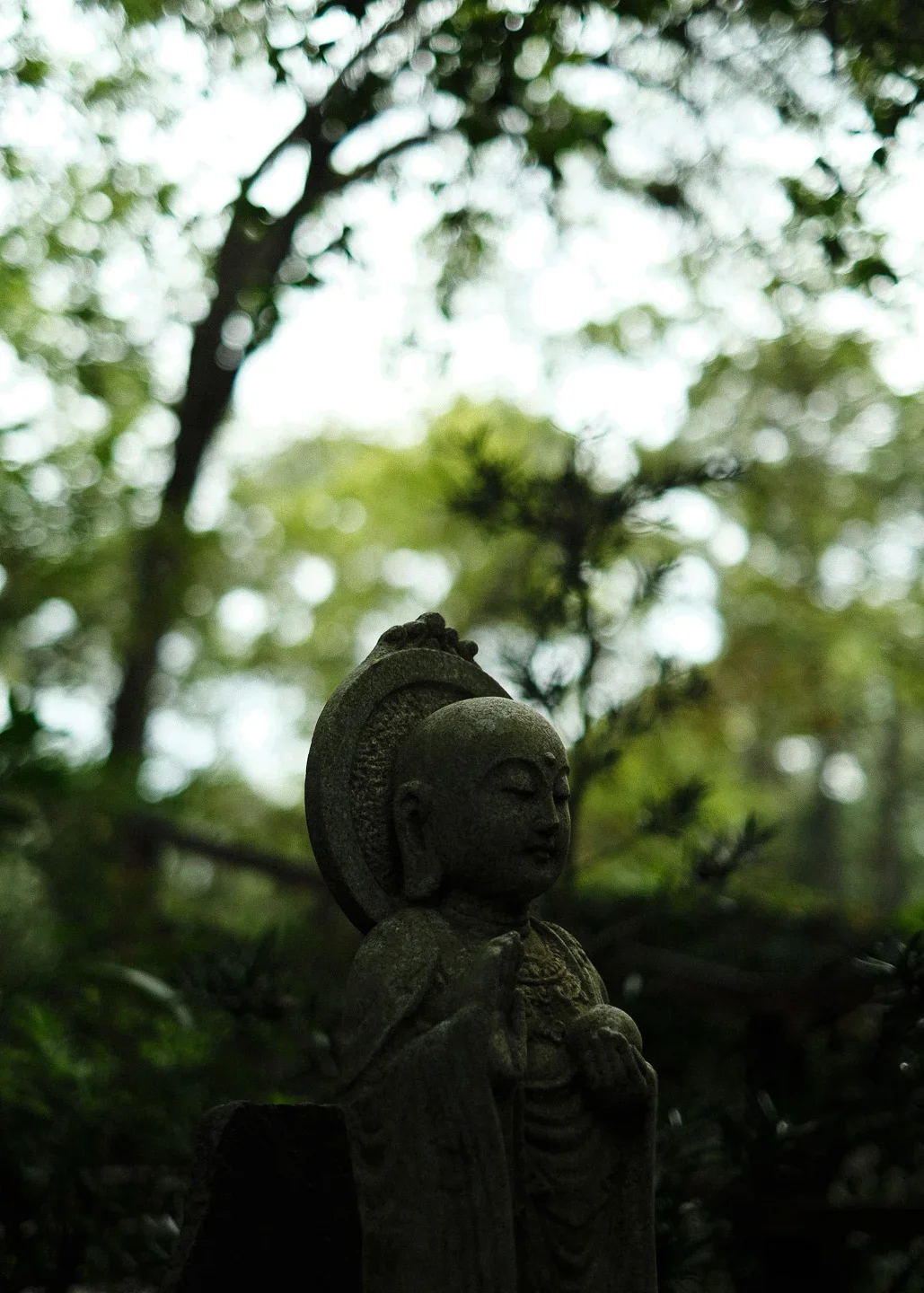
A small Buddha statue nestled in the forest at a Japanese Garden in Delray Beach, Florida
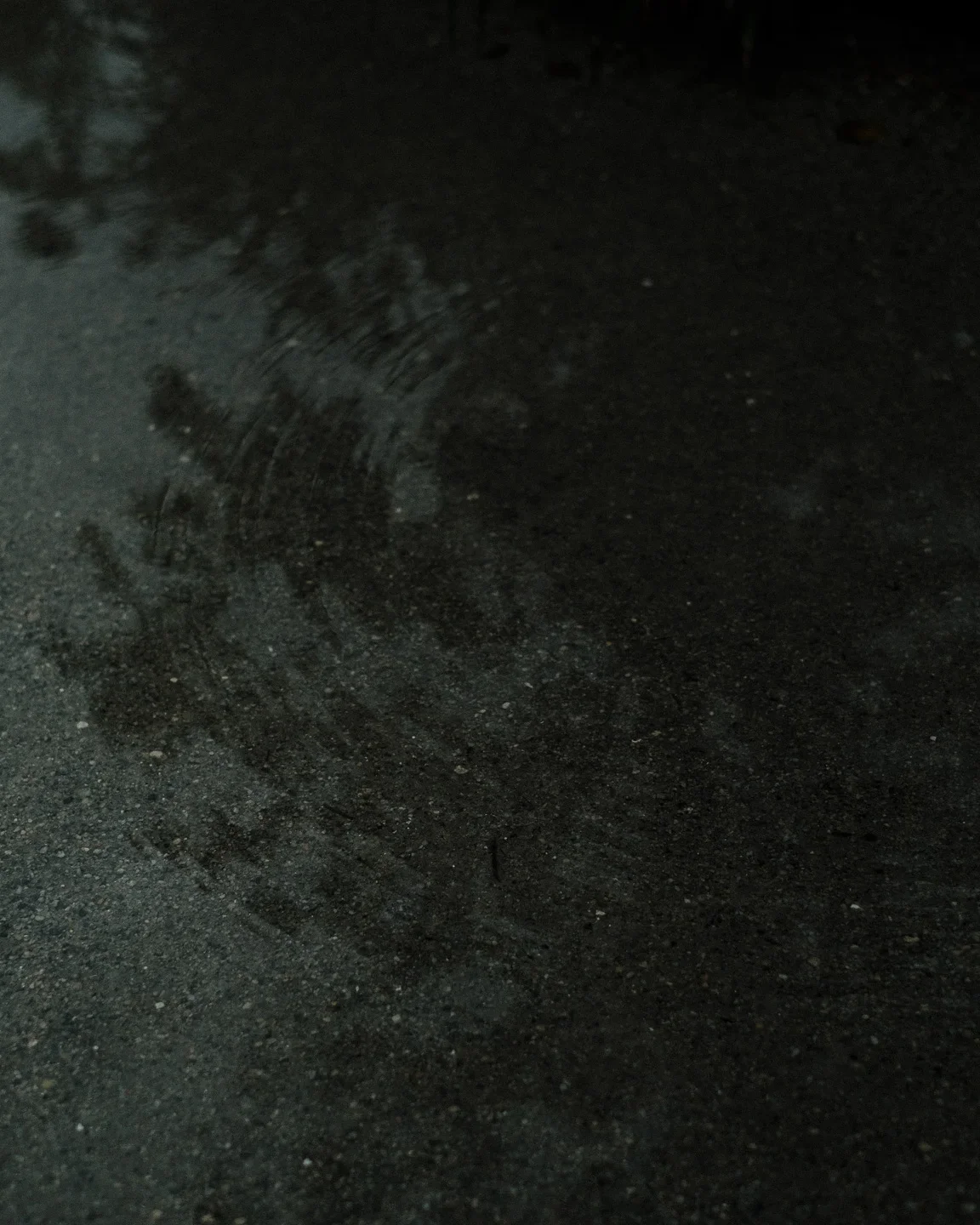
3. Rain as Ink
Rain changed how surfaces behaved.
Water collected, stretched, broke apart.
Reflections lost structure and became texture.
At a certain point, the scene stopped feeling like a landscape.
It started to feel like marks on paper.
The composition simplified:
pattern, spacing, rhythm.
Nothing else.
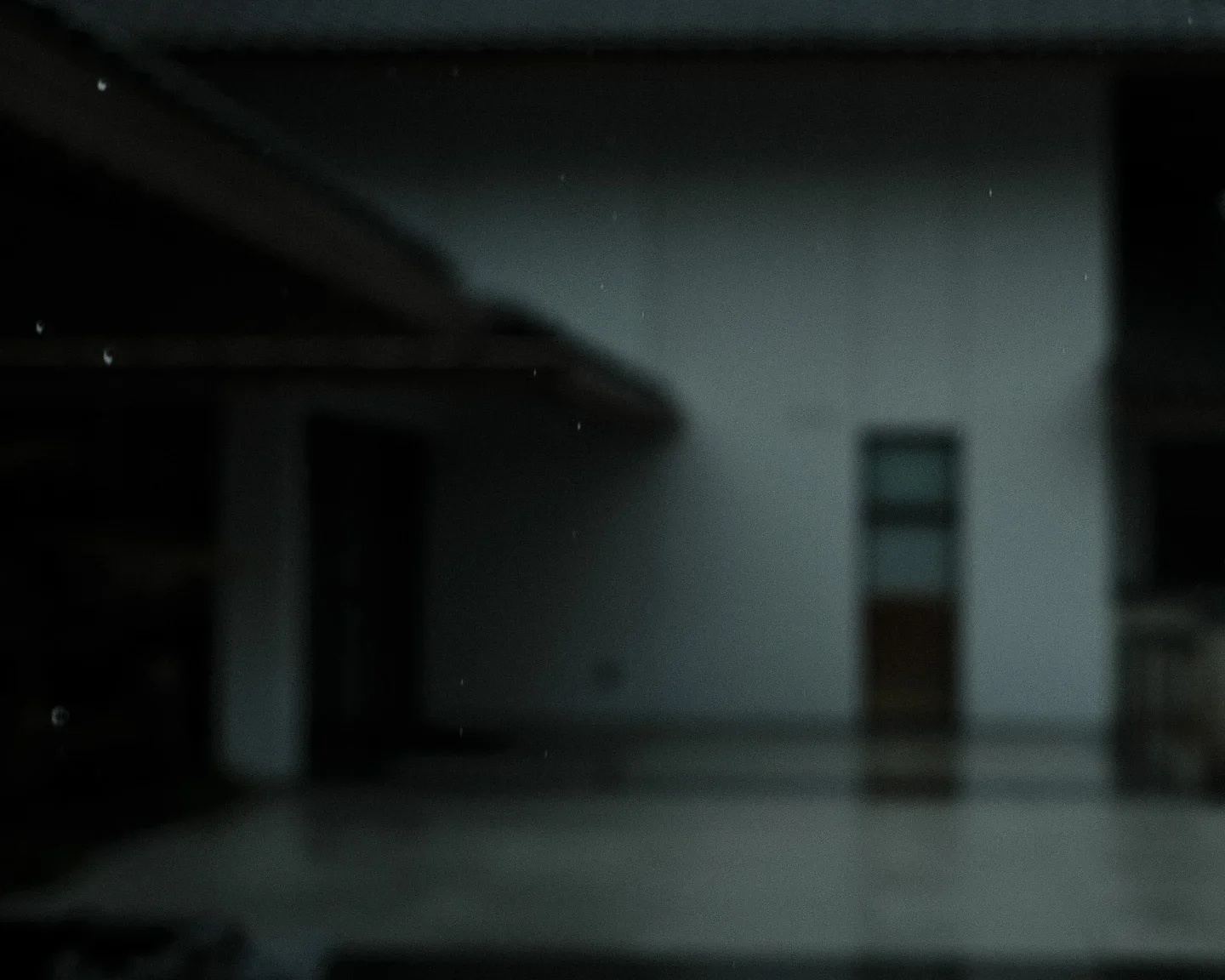
In-focus rain droplets with the Morikami main building as the background
4. The Human Trace
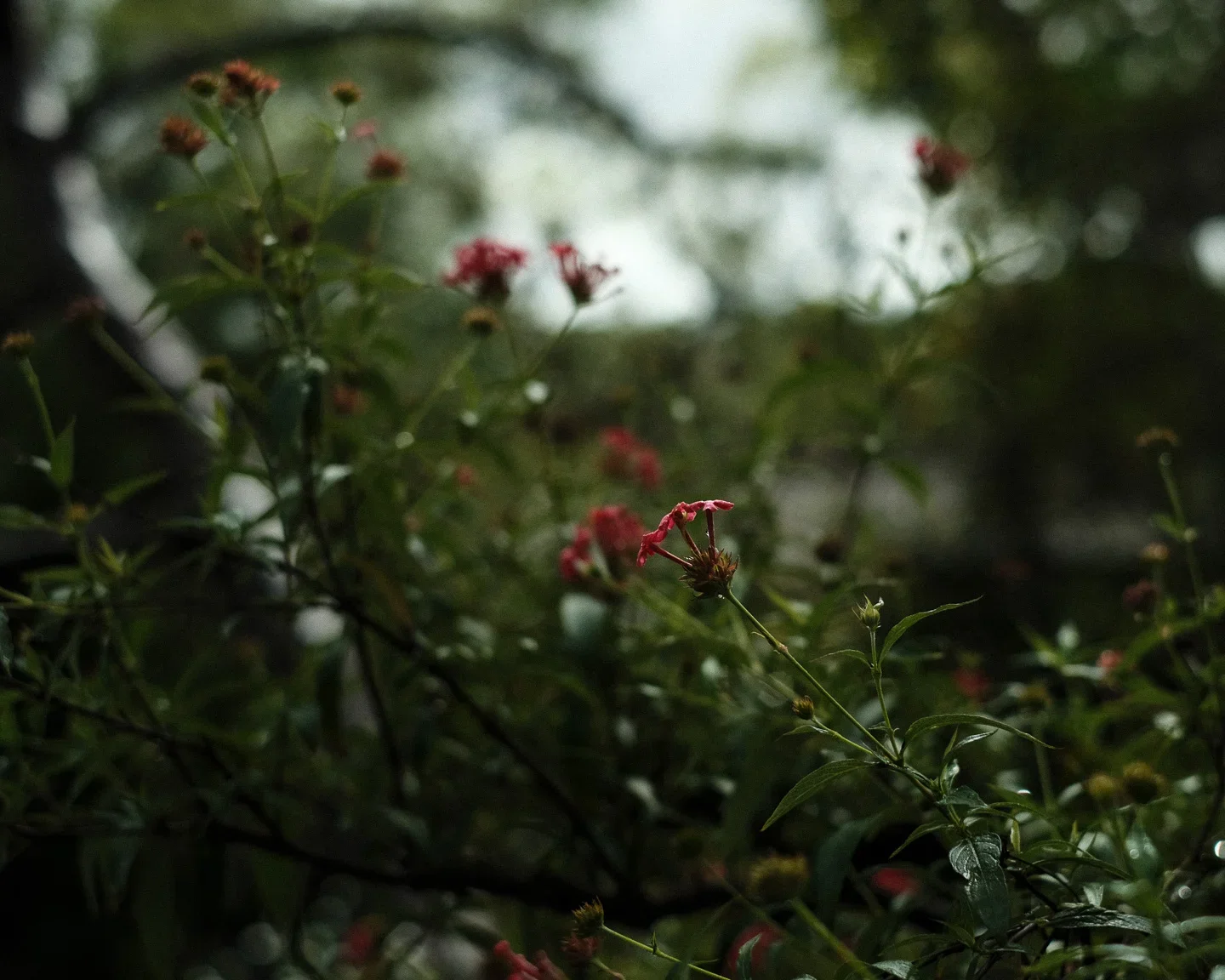
People were almost non-existent this day. There but not visible.
Footprints softened into the gravel.
Benches held water where someone had just been sitting.
Paths showed slight disruption.
These details didn’t announce themselves.
They had to be noticed.
The absence carried more weight than presence.
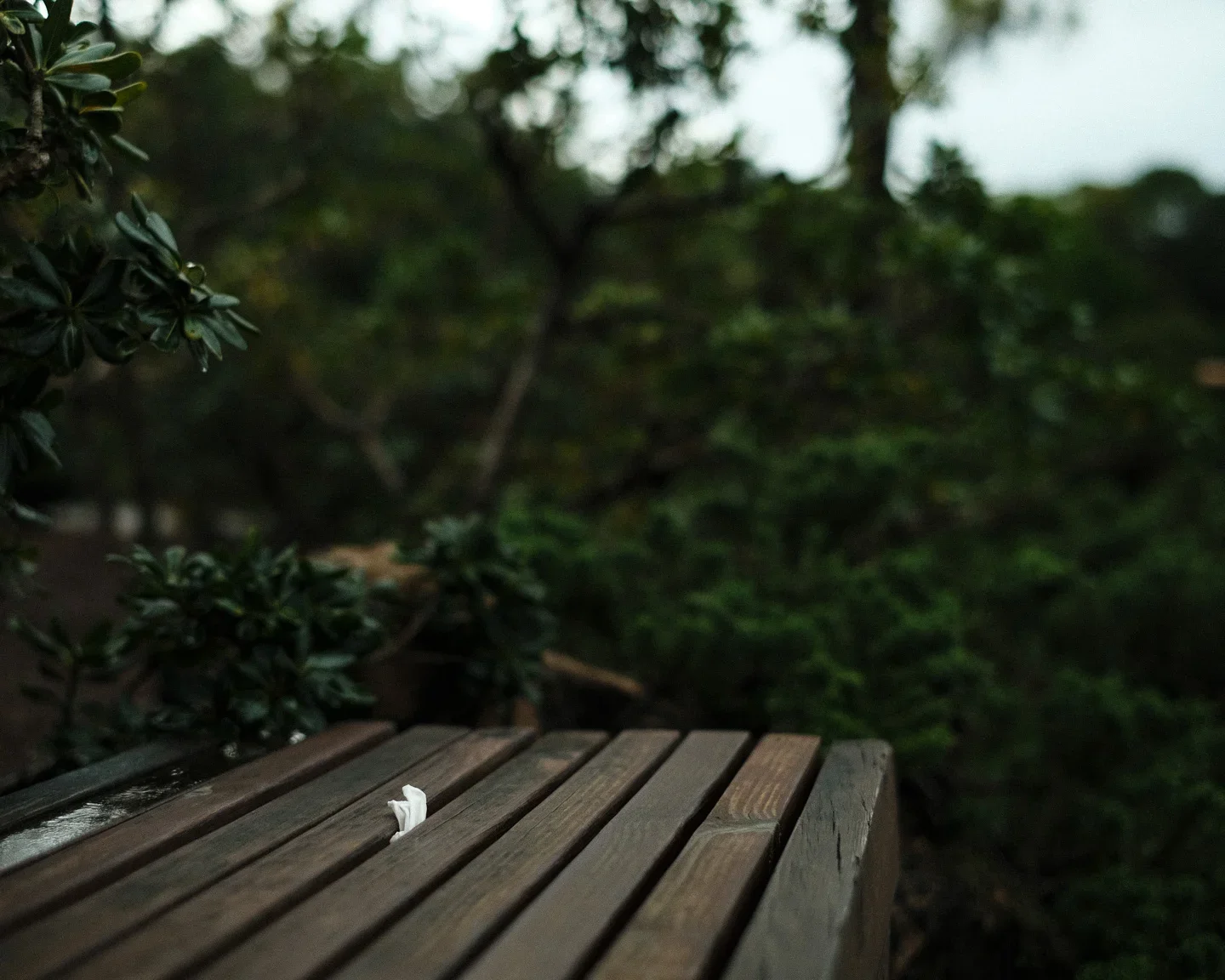
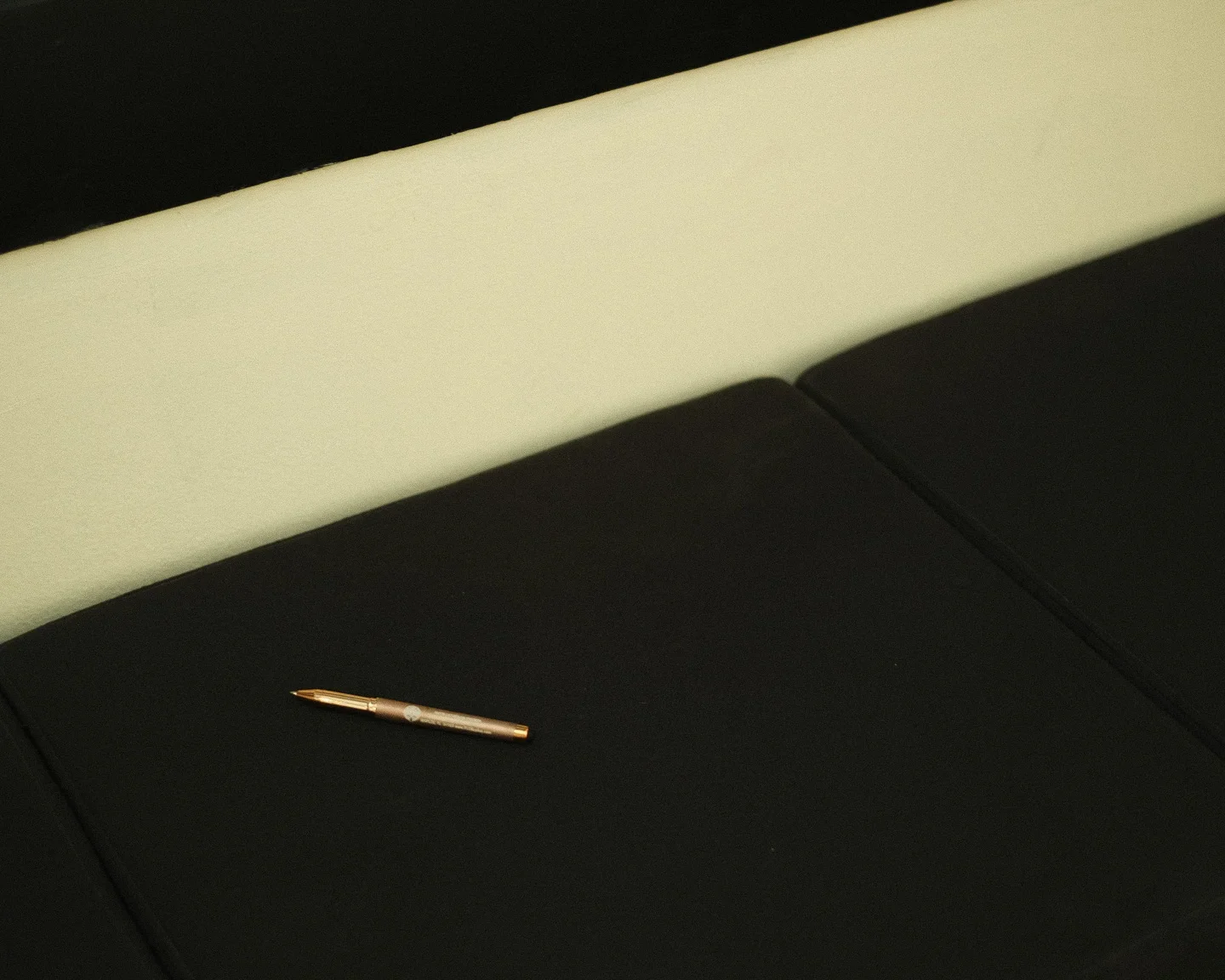
A piece of paper waste lodged between the slats at the Japanese Gardens
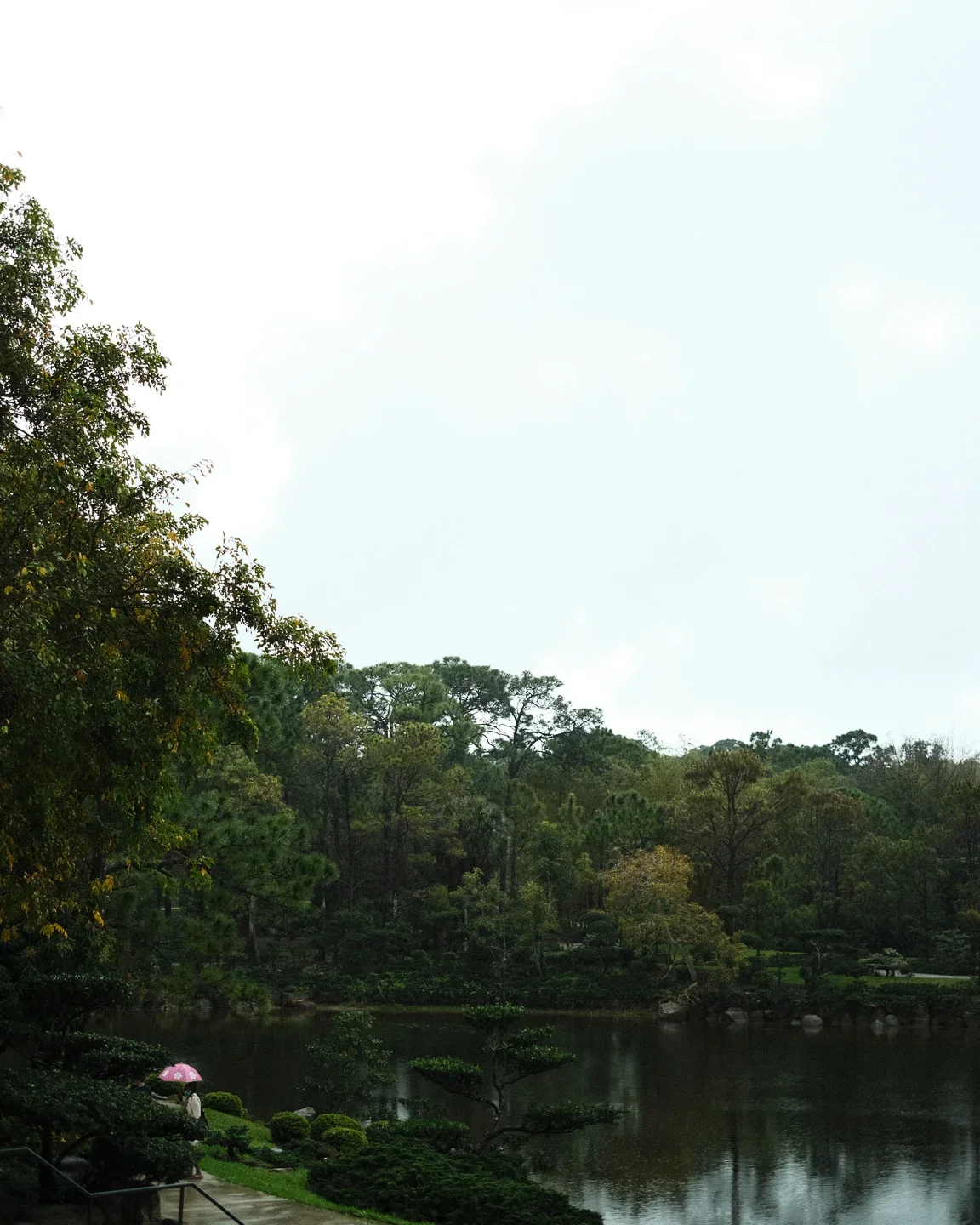
5. The Moment Before Silence
The final frame needed to stop everything.
No motion.
No tension.
Just a surface at rest.
Water settled.
Reflections held.
The scene became quiet enough to end on.
Not dramatic.
Resolved.
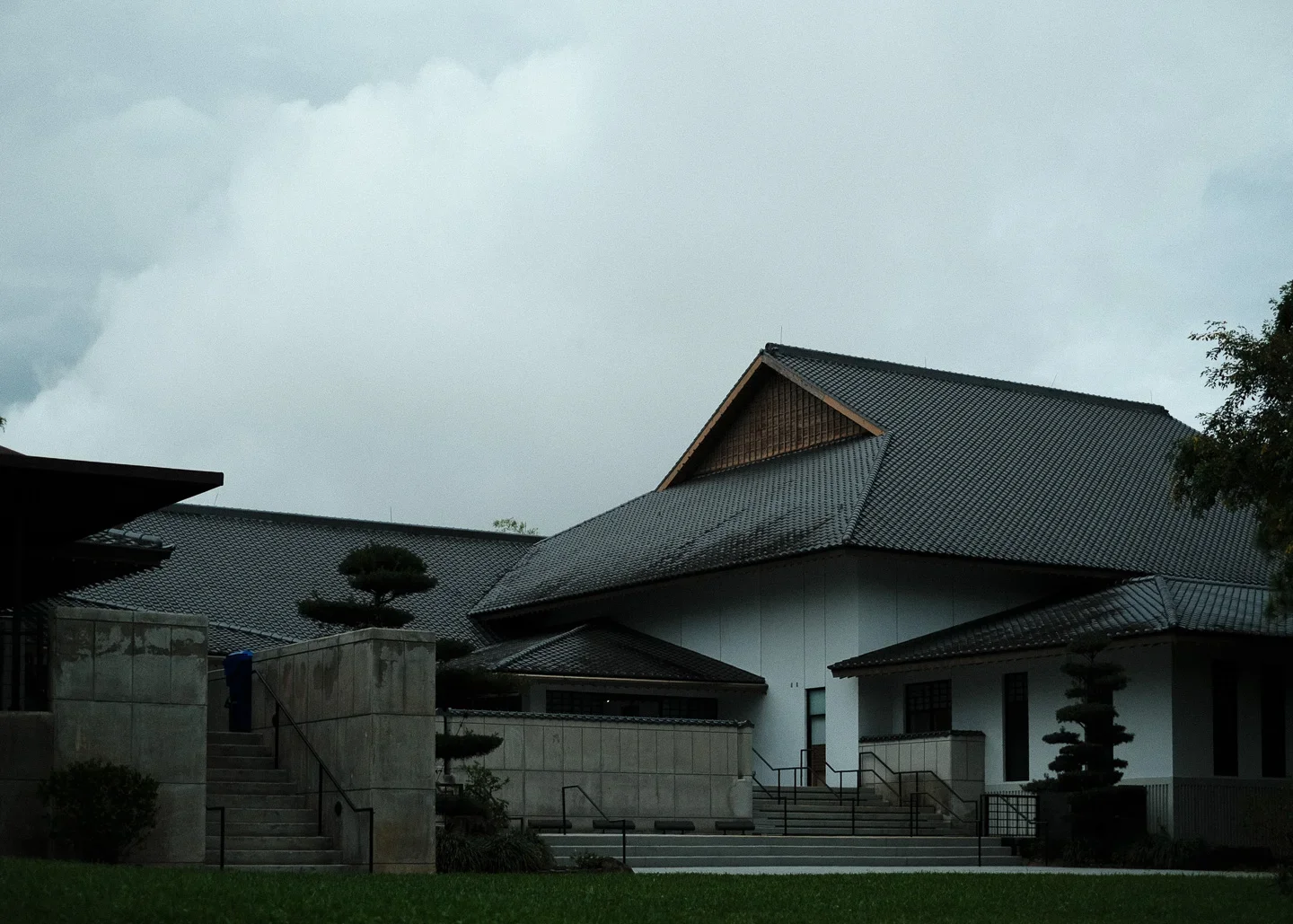
The visitors center and museum at Morikami Gardens.
What Changed
Rain removed the obvious.
It softened contrast, slowed movement, and reduced everything to smaller events.
Without strong light or clear subjects, there was nothing to chase.
Only things to notice.
The process shifted from finding compositions to recognizing moments.
That shift was the entire assignment.
What Stayed With Me
Nothing in the garden felt static.
Even when it looked still, it wasn’t.
Water moved.
Surfaces changed.
Details appeared and disappeared.
Most of it would be gone within minutes.
That’s what made it worth photographing.
Gear
Fujifilm X-Pro 3
Fujifilm 35mm f/1.4